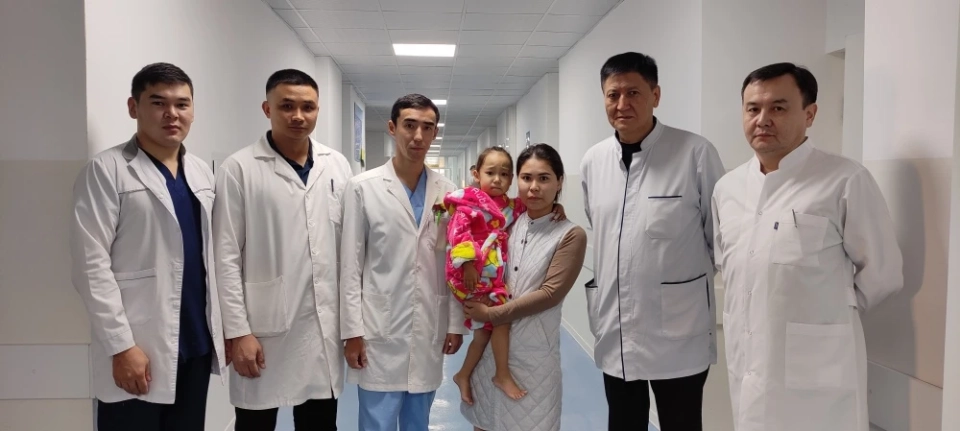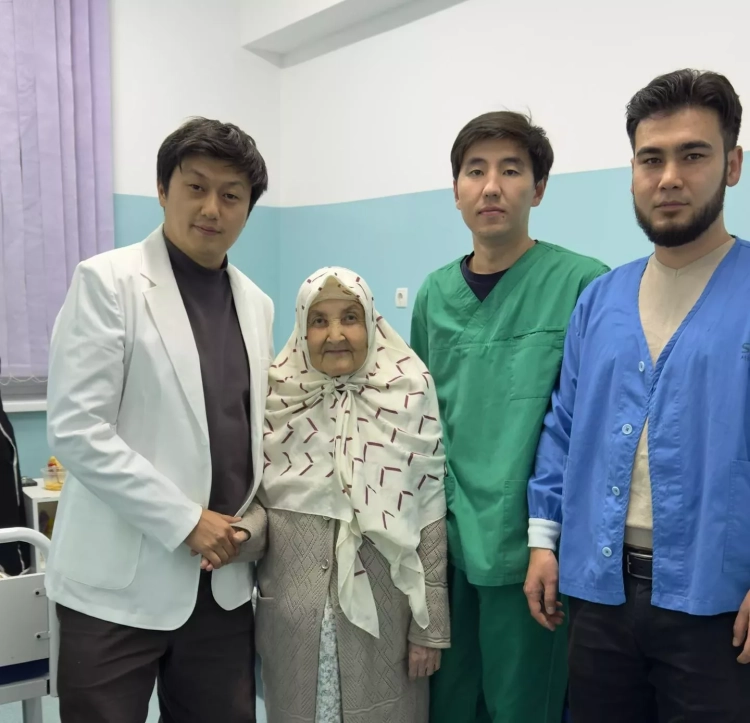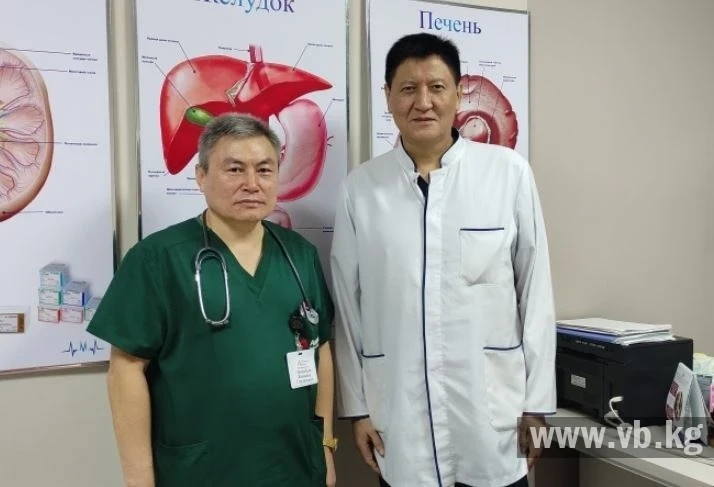
Doctor of Medical Sciences Rasul Sultangaziev, one of the leading surgeons in Kyrgyzstan, emphasizes that the success of any operation depends on the correct medical indications, necessary conditions, and the qualifications of the surgeon. Unfortunately, he often has to deal with restoring patients after unsuccessful interventions by colleagues, as was clearly demonstrated in one of the recent cases.
“It is always more difficult to redo than to perform an operation from scratch. Repeated surgeries are fraught with many complexities, including technical risks and the psychological state of the patient, which complicates the joint search for an optimal solution,” says Rasul Abalievich.
Murat, one of the doctor's patients, has trusted him more than once. “A few years ago, he saved my life, and I turned to him again, knowing that he and his colleague anesthesiologist Zhanibek Sardalovich would do everything possible to help me,” he shares.
Two and a half years ago, Murat underwent laparoscopic metabolic surgery in one of the clinics in Turkey to treat type 2 diabetes. This method is considered one of the most modern and effective in the world. At first, everything went well: Murat lost weight and his blood sugar levels normalized. However, in November of this year, his condition sharply deteriorated, and he was brought to Sultangaziev in critical condition.
“I thought for a long time about whether to have the surgery, but the symptoms of diabetic foot scared me and forced me to take this step. Now I understand that perhaps I shouldn't have done it, and not only I, but also other people who hoped to get rid of diabetes faced serious problems,” Murat shares his concerns.
Over two years, he lost 40 kilograms, and his blood sugar levels returned to their previous high values. His health continued to deteriorate, he began to experience severe pain, and he could not manage without painkillers.
Murat refused to return to Turkey for further treatment, not for financial reasons, but because he lost faith in their qualifications. “I saw that we have clinics like 'Amanat' with modern equipment and professional doctors. I trust our doctors more than the Turkish ones,” he adds.
Rasul Sultangaziev explains that laparoscopic metabolic surgeries are a new technique used for patients with type 2 diabetes and excess weight. The essence of the operation lies in removing part of the stomach and changing the position of the small intestine, which helps normalize insulin production.
“This technology is relatively new, and its long-term effectiveness is yet to be assessed,” says the surgeon. However, it is considered the only way to stop the progression of diabetes, while medications only slow down the process.
Unfortunately, in Murat's case, serious complications occurred. He was admitted to the clinic in critical condition: his body was not absorbing food, and he suffered from a deficiency of essential substances. This required an urgent repeat operation, or he could have died from exhaustion.
Zhanibek Erkinbaev, the anesthesiologist, noted that putting the patient under anesthesia in such a state was extremely risky. “But there was no other way. We always strive to help, and despite the risks, we went ahead with the surgery,” he recounts.
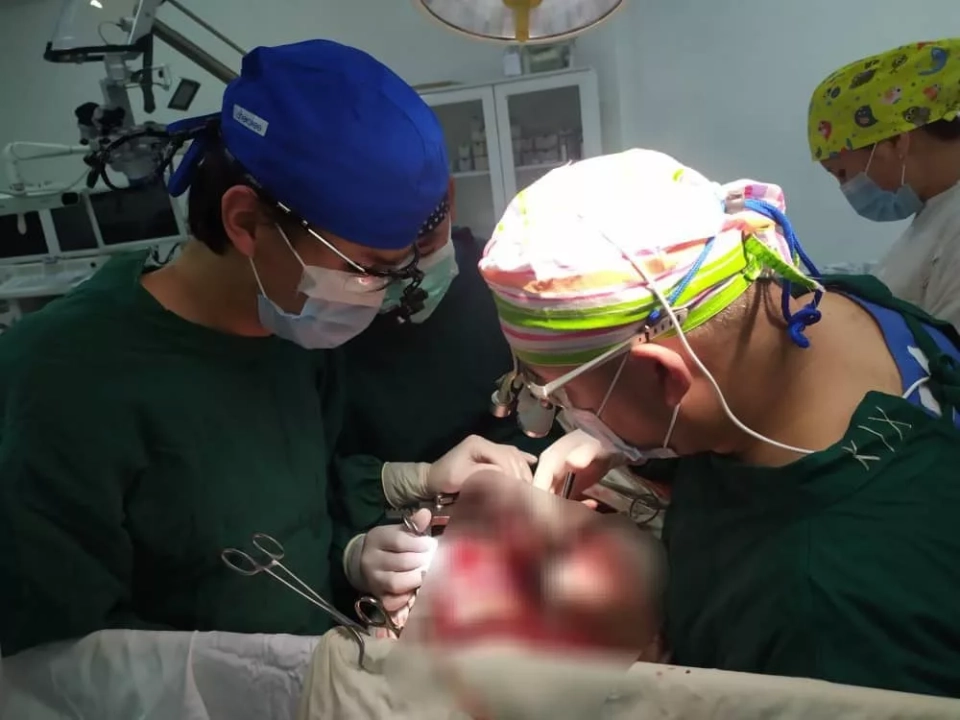
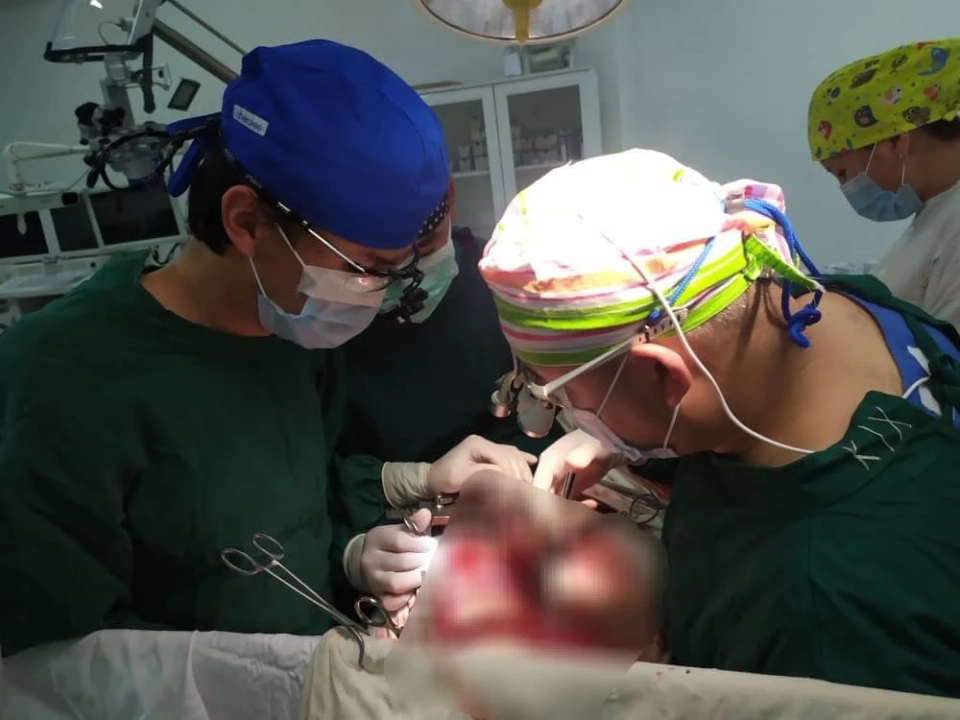
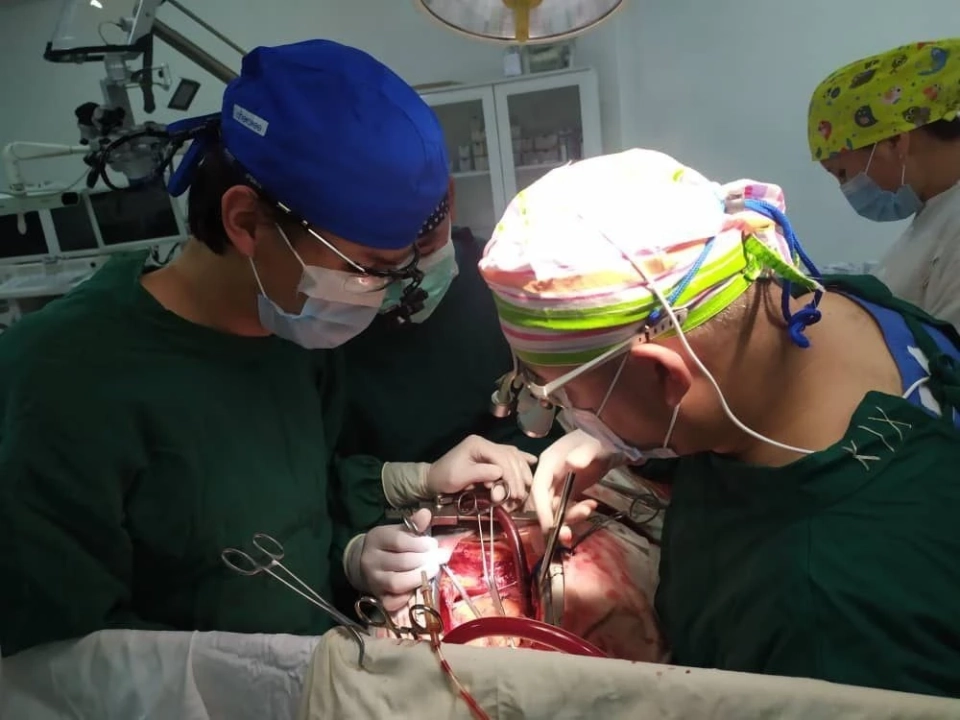
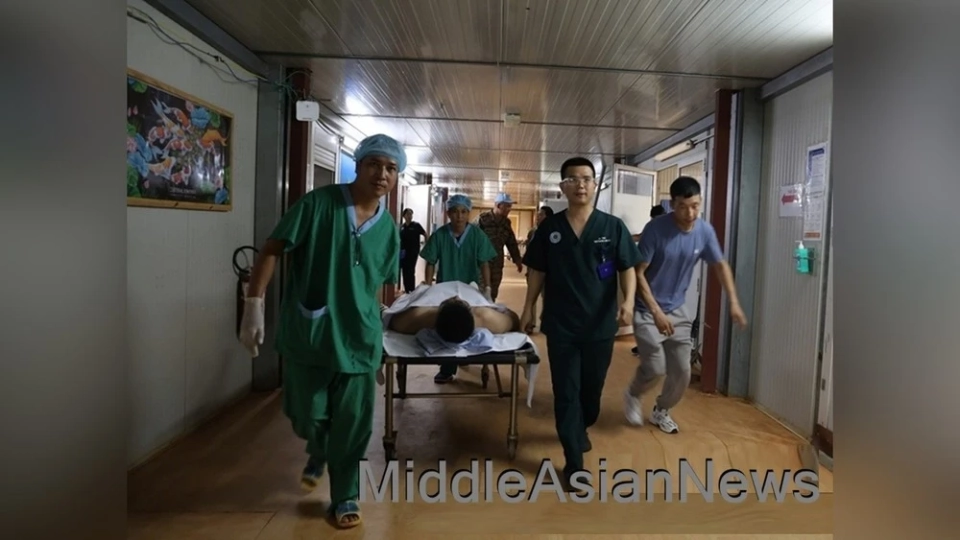
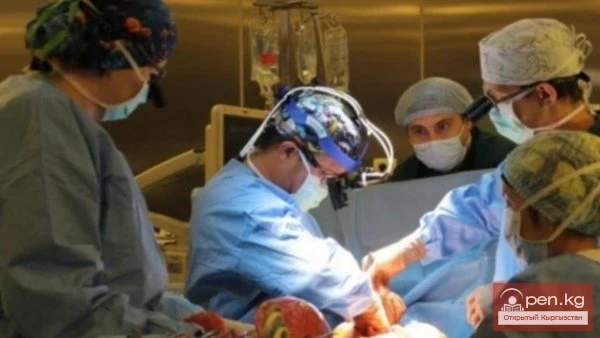
During the operation, which lasted almost five hours, there were concerns about a possible heart failure, as the patient had ischemic heart disease. “I did not expect to see such a catastrophic situation. We had to search for the parts of the stomach and small intestine that had been excluded from the digestive process,” recalls Rasul Abalievich.
The operation aimed to restore the normal functioning of the digestive organs. The surgical team successfully returned everything to its place and eliminated the ulcer that was causing the patient pain. Now all organs are functioning as they should.
“I still feel weak and follow a diet, but the main thing is that I am alive thanks to these doctors!” says Murat with gratitude. “At home, indeed, the walls help…”