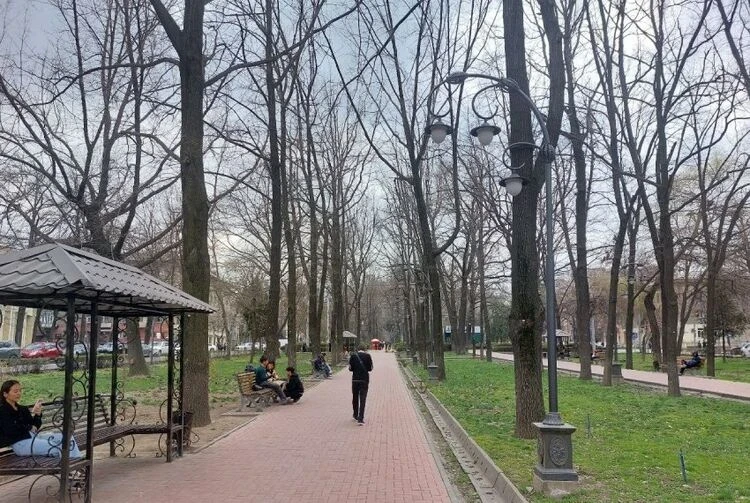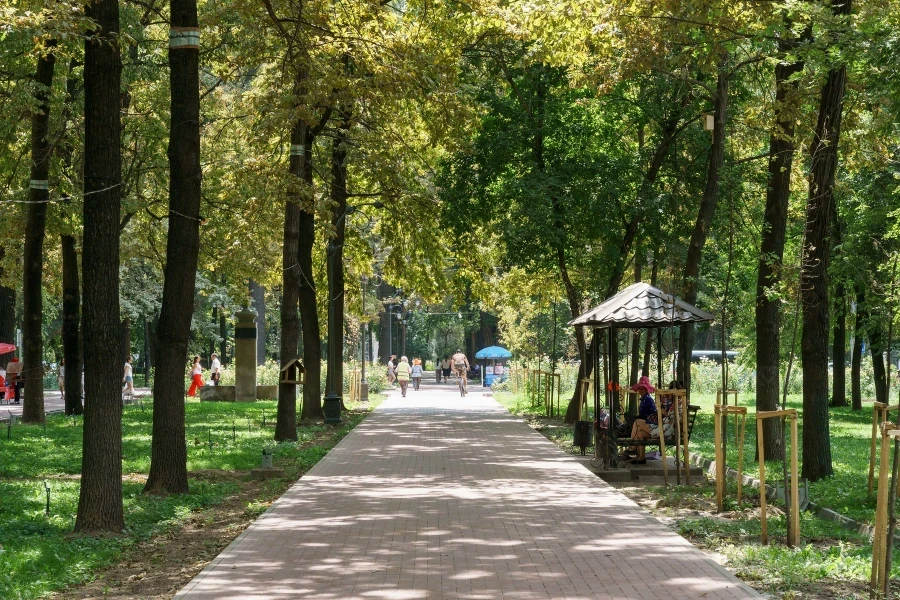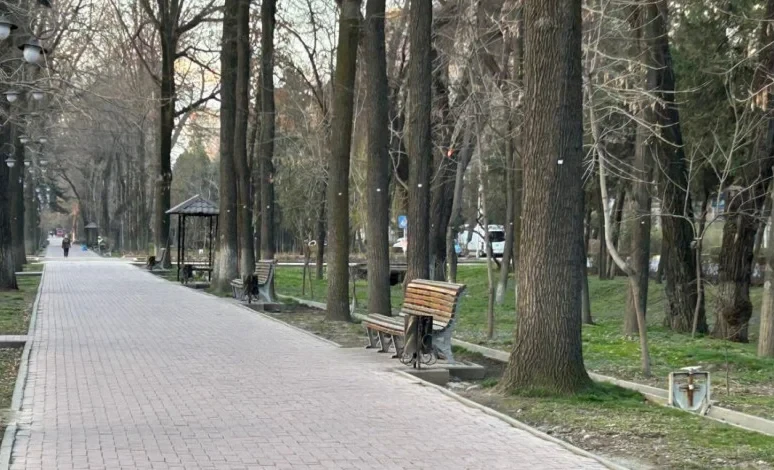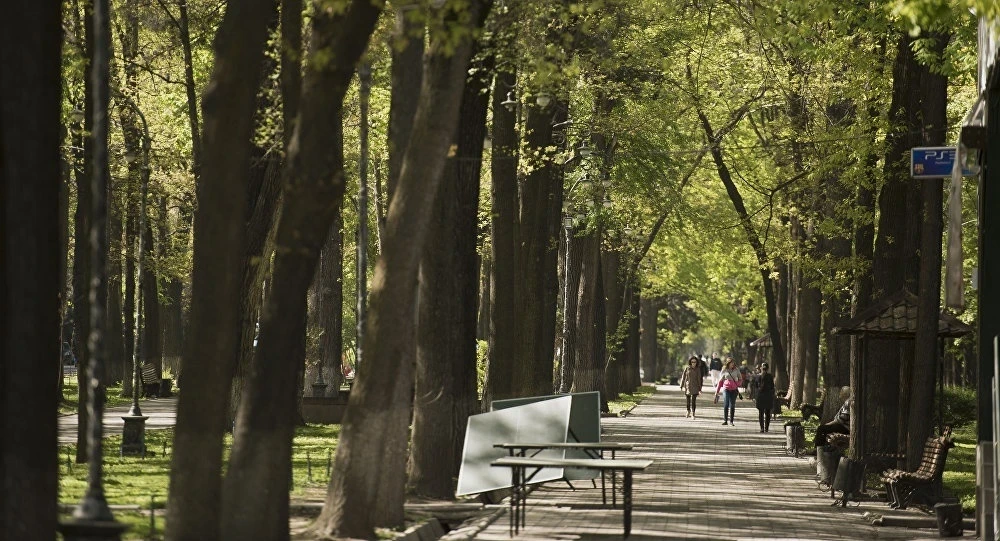
The municipal services provided an official explanation regarding the recent appearance of numbered tags on trees in the center of Bishkek. The Municipal Enterprise "Bishkekzelenhoz" noted that this numbering process on Erkindik Boulevard is part of a planned inventory and is not related to the potential removal of green spaces. Previously, rumors circulated in the city that the installation of tags symbolized an upcoming tree cutting.
The large-scale program initiated by Mayor Aibek Junushaliev aims to create "digital passports" for all trees in the capital. Specialists from the Center for Digital Technologies have already begun developing electronic maps that will allow residents to access complete information about each tree in the parks and squares of Bishkek. The created database will include data on species, age, height, and trunk diameter, ensuring a systematic approach to plant care.
The creation of a digital registry will be an important tool for the prompt identification of tree diseases. This will allow for the replacement of only those specimens that are deemed hazardous and potentially dangerous. Such an approach in urban planning implies transparent management of infrastructure, providing residents with the ability to monitor the necessity of sanitary pruning and reducing distrust in the work of municipal services.
Accurate accounting of green spaces will also help optimize budget expenditures, allowing resources to be directed to truly problematic areas. The formation of a sustainable green system, taking into account climatic conditions and building density, contributes to the preservation of the microclimate and the improvement of air quality in the capital. Thus, the marking of trees lays the foundation for the long-term preservation of Bishkek's ecology. The work on digital inventory covers all key green zones of the city.