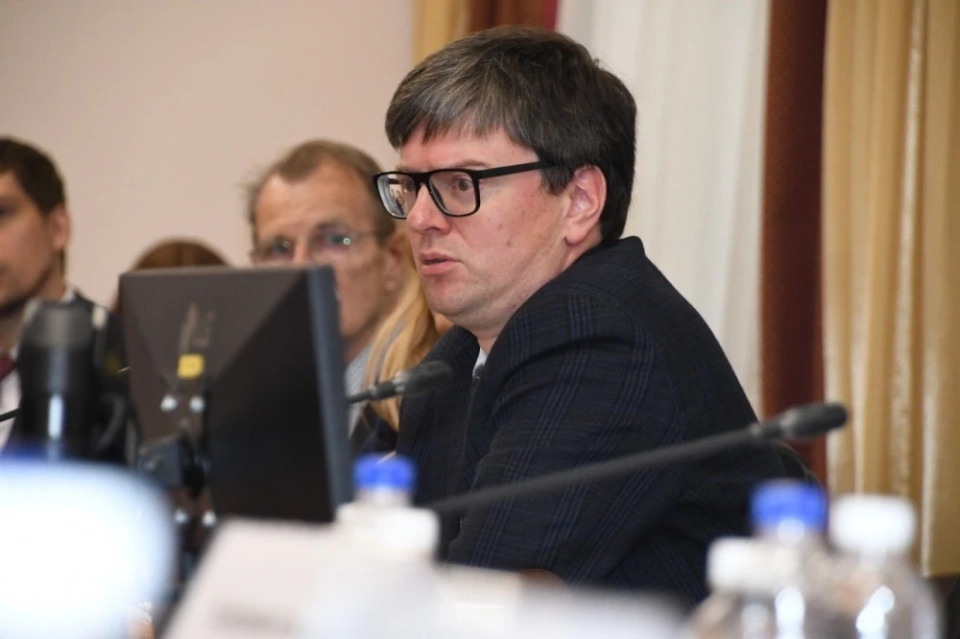
On the portal "Allies. CSTO," an article by Kirill Babaev, the director of the Institute of China and Modern Asia of the Russian Academy of Sciences, Doctor of Philological Sciences, and professor, has been published, analyzing the results of the CSTO's work for 2023-2025. The author emphasizes that despite international challenges, the CSTO has reaffirmed its significance as an important regional security structure.
According to Babaev, "2022 became a turning point for a number of international political processes that led to changes in security both in the post-Soviet space and in the world as a whole." The intensification of confrontation between Russia and the West, in the context of Russia's ongoing military operation in Ukraine, contributed to increased pressure on Moscow and its closest allies, including the CSTO, which manifested in a change of position by Armenia.
In this regard, the new leadership of the CSTO Secretariat faced several priority tasks:
- the creation of a structure in the Eurasian space capable of effectively countering NATO;
- preventing crises in member states based on the Kazakhstan scenario of January 2022;
- strengthening internal unity within the CSTO and seeking a balance between the approaches of member states to the development of the Organization and its role in ensuring regional security, including mechanisms for de-escalating the conflict between Kyrgyzstan and Tajikistan;
- improving responses to transnational security threats such as terrorism, drug trafficking, and cybercrime.
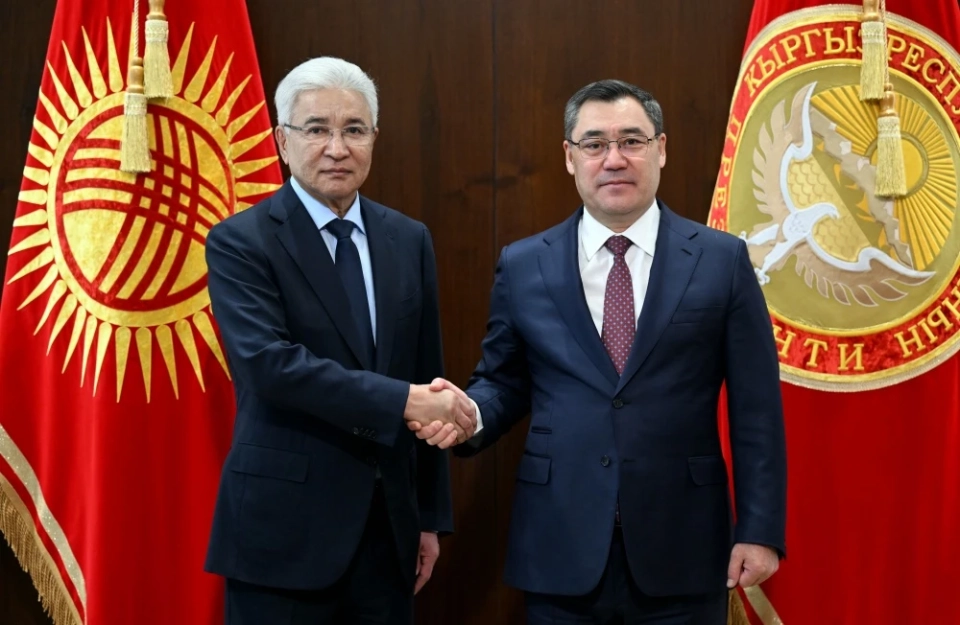
Immediately after his appointment, the new Secretary General of the CSTO intensified efforts to normalize the situation at the Kyrgyz-Tajik border. On March 6, 2023, a meeting was held in Minsk to discuss proposals for reducing tensions between Kyrgyz and Tajik people. During visits by the Secretary General to Kyrgyzstan and Tajikistan, the leaders of these countries approved the CSTO's initiatives and agreed to its mediating role, which facilitated a peaceful resolution of the conflict. Additionally, the Secretary General focused on developing the CSTO's peacekeeping format, including strengthening ties with the UN.
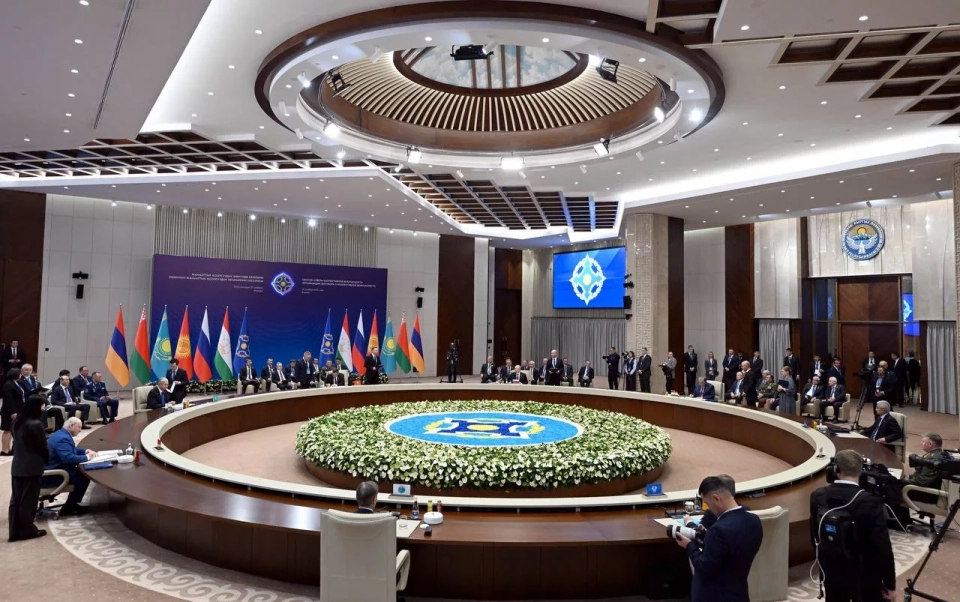
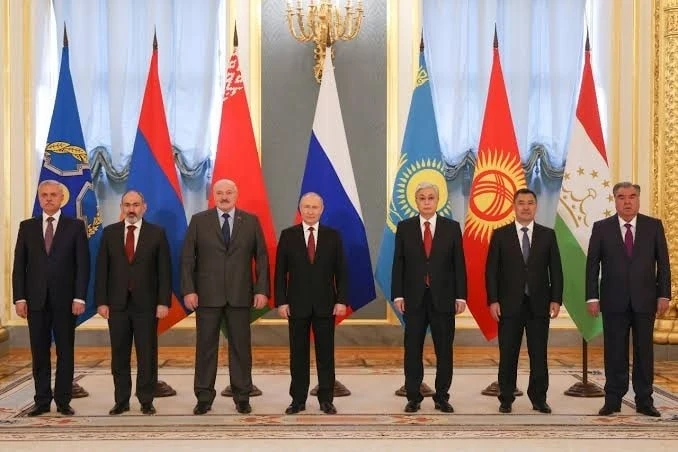
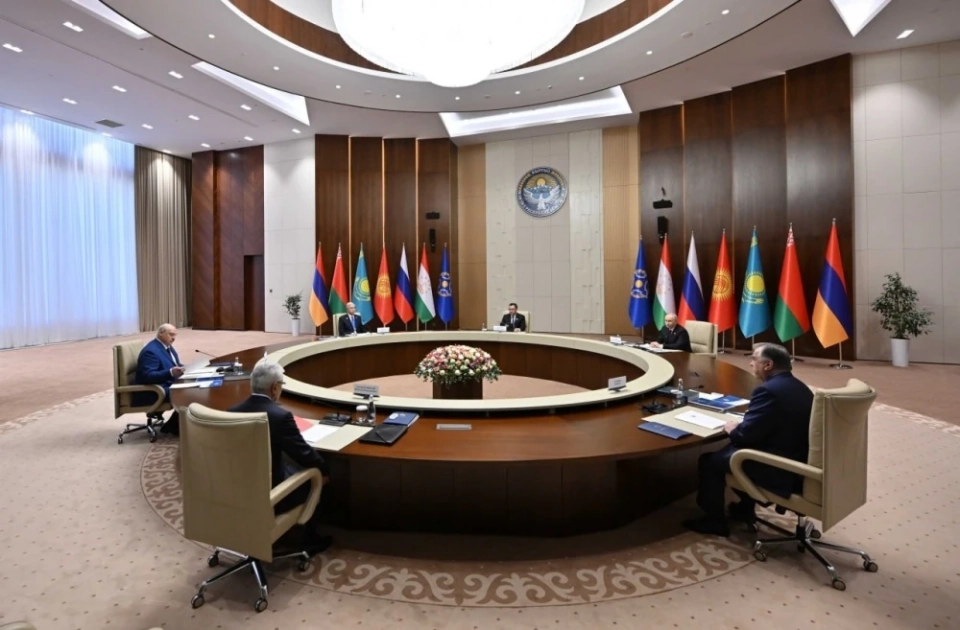
As a result of the CSTO summit, 15 documents were signed addressing current issues of international security and crisis response mechanisms, as well as a provision on the joint press center of the CSTO.
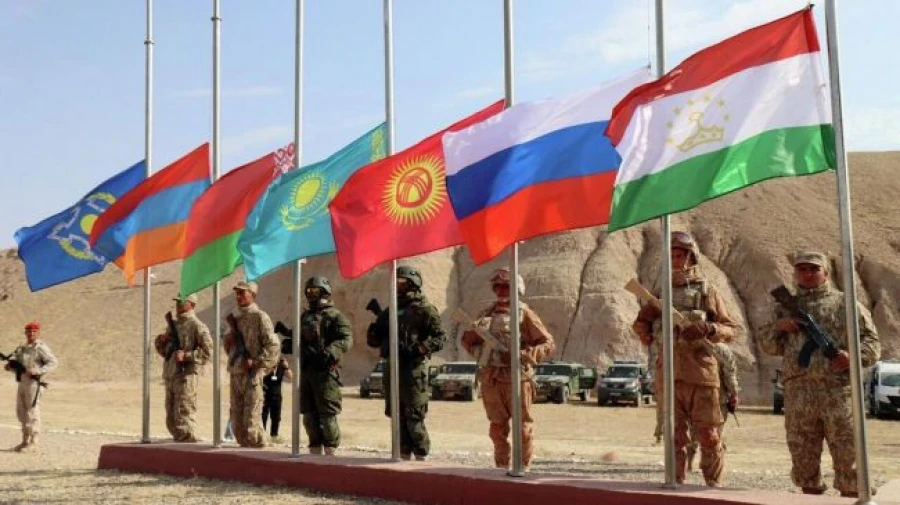
In 2023, five maneuvers were conducted in Belarus as part of the "Combat Brotherhood – 2023" exercise, including the "Interaction-2023" exercise and special exercises "Search-2023," "Echelon-2023," "Barrier-2023," and "Rock-2023." A joint exercise with CSTO peacekeeping forces, "Unbreakable Brotherhood – 2023," also took place in Kyrgyzstan, confirming the course towards deepening cooperation within the Organization.
In 2024, the focus was on developing CSTO relations with international organizations to ensure stability and security. Cooperation with the UN on peacekeeping and counter-terrorism was discussed at a Security Council meeting on July 19, 2024. On November 18, the UN General Assembly adopted a resolution on cooperation with the CSTO.
The effectiveness of cooperation between the CSTO, CIS, and SCO was also confirmed by the signing on September 3, 2025, in Beijing of a Roadmap for the development of this cooperation, which became an important step in countering transnational threats.
An important aspect was the active participation of the CSTO Secretary General in reducing tensions between Kyrgyzstan and Tajikistan. Bilateral consultations held in 2024-2025 led to the signing on March 31, 2025, in Khujand of a border agreement between Tajikistan, Kyrgyzstan, and Uzbekistan, marking a significant step towards stability in the region. The CSTO Secretary General was awarded the "Dostuk" order for his contribution to the peaceful resolution of conflicts.
In 2025, the CSTO continued active work with the CIS and SCO, strengthening regional security. During exercises held in various countries, the concept of deploying all components of the Collective Forces was practiced.
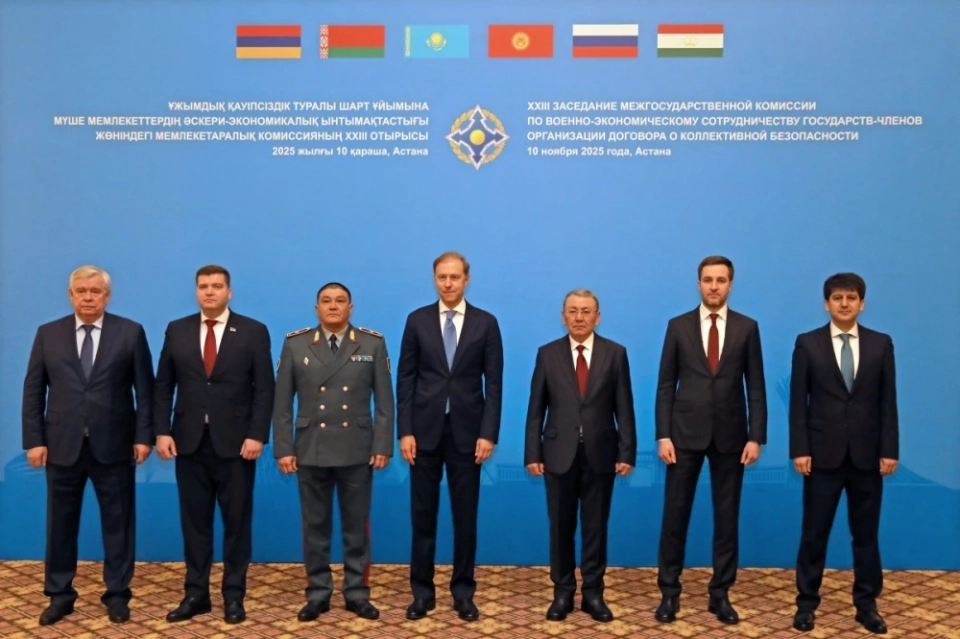
At the meeting of the Council of Defense Ministers on May 28, 2025, a Plan for the development of military cooperation for 2026-2030 was approved, covering improvements in equipment and cooperation among states.
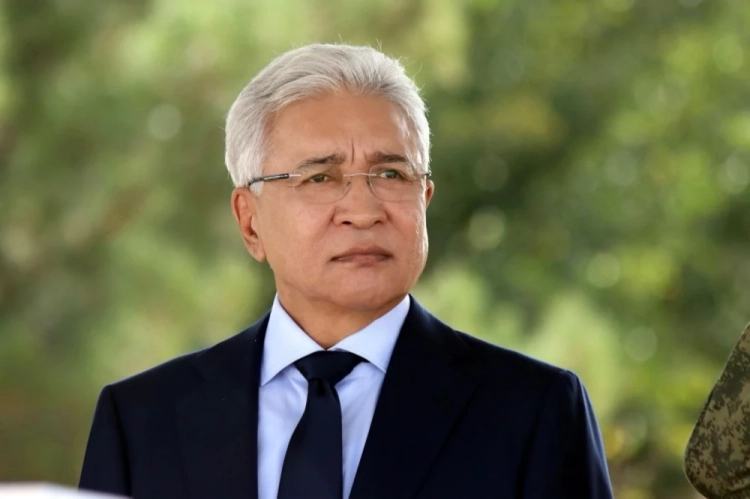
Thus, the appointment of I.N. Tasmagambetov as the Secretary General of the CSTO provided a new impetus for the Organization's work, which, in turn, contributed to resolving a number of internal issues and strengthening trust among member states.
The dynamics of the CSTO's work under Tasmagambetov's leadership demonstrate that despite existing challenges, the organization remains a key player in ensuring security in the Eurasian space. The course taken towards improving coordination with the CIS and SCO, as well as developing internal cooperation, creates a solid foundation for further progress of the CSTO in the future.
Thus, it can be confidently stated that "The dynamics of the CSTO's activities... indicates its significance as a key security structure in the Eurasian space," concludes the author.
During the reporting period, the organization demonstrated significant successes: from the activation of Collective Forces exercises to successful counteraction against transnational threats. One of the main outcomes was the strengthening of the CSTO's international status through cooperation with leading organizations.
The conducted activities have created a solid foundation for the future development of the CSTO, confirming its high potential for adaptation to changes in the global political situation.