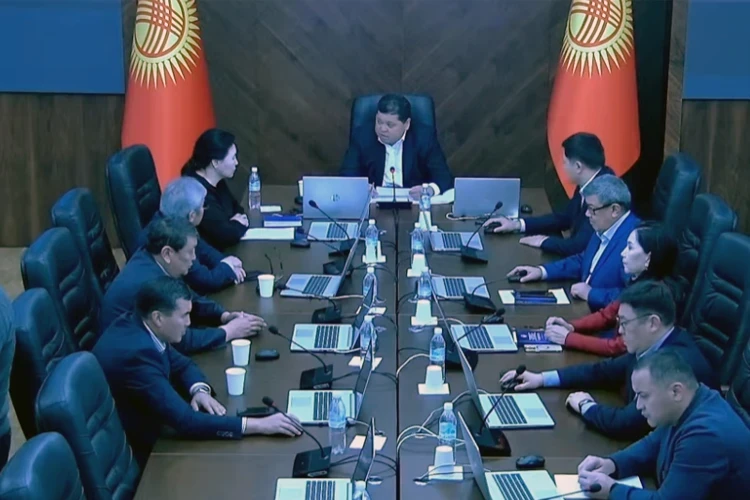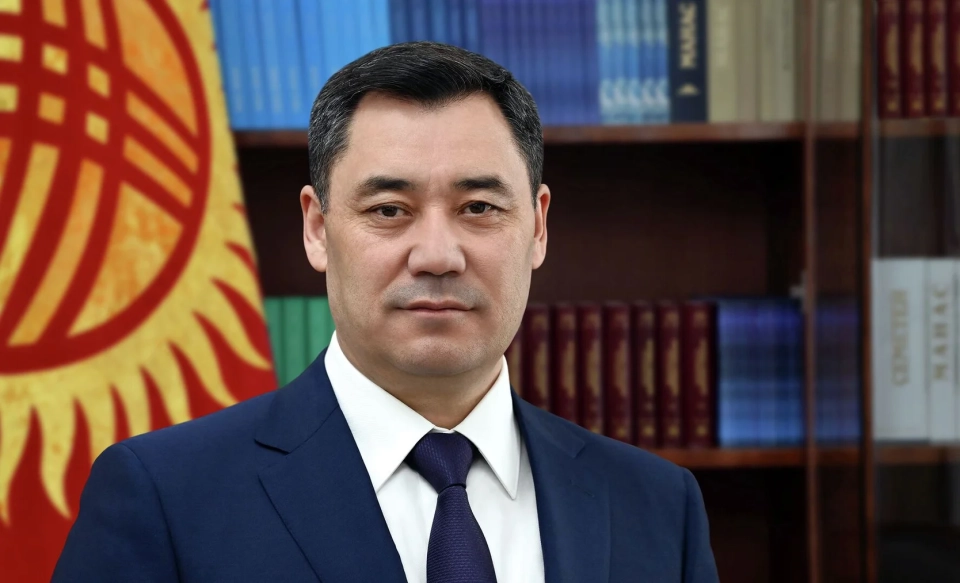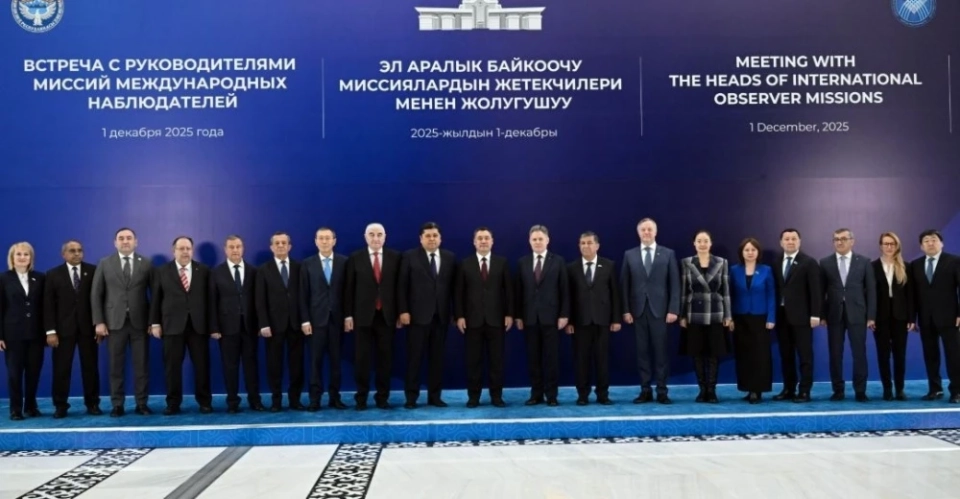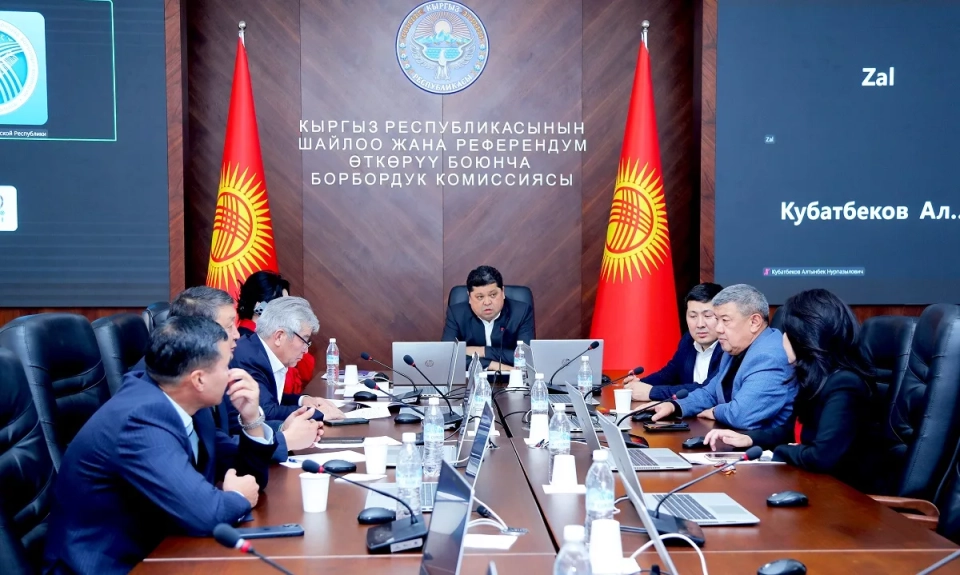
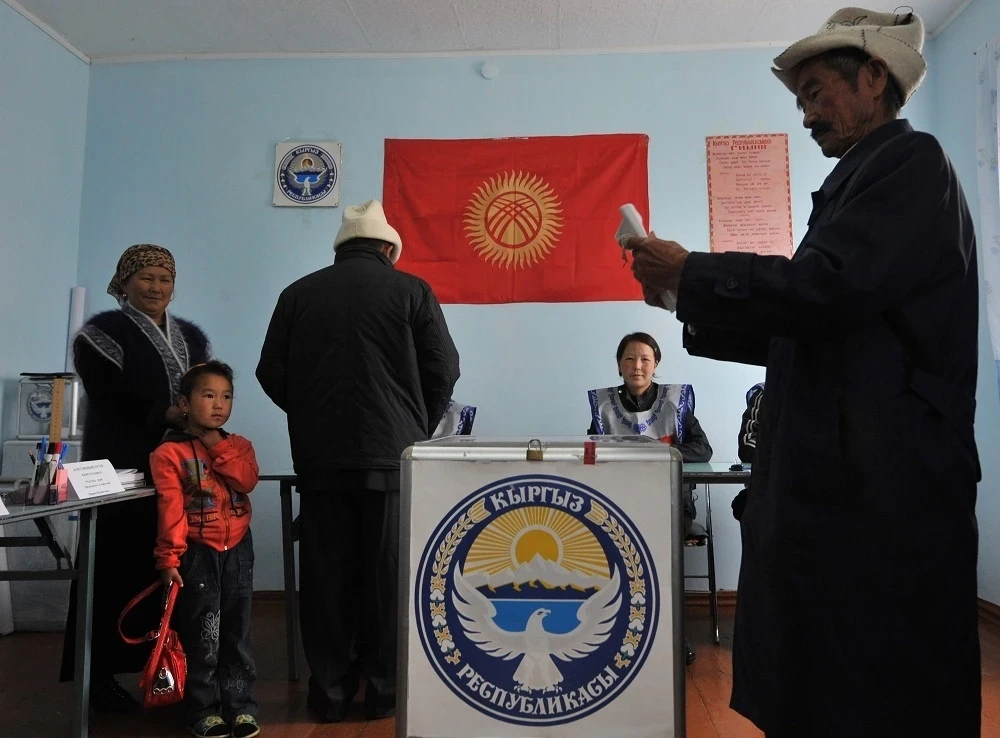
The parliamentary elections in Kyrgyzstan took place in an atmosphere unusual for the country, with minimal protests and acceptance of the results by the main political forces. Analysts are divided in their opinions about the reasons for this calmness: some attribute it to successful reforms, while others link it to societal apathy following a series of political crises.
Breakthrough in Technology
One of the central aspects of the elections was the digitalization and automation of the voting process. Member of the Jogorku Kenesh Marlen Mamataliyev noted that this helped eliminate mass fraud, which was characteristic of past elections:
"The fact remains: the last elections were the calmest in the history of Kyrgyzstan. Previously, there were carousel voting, ballot stuffing, and other manipulations. Now we have automated the system to such an extent that we can be proud to be leaders in this area. This has allowed us to nullify any potential for protest."
This viewpoint is confirmed by international observers. Head of the CIS observation mission Igor Petrishenko noted:
"Kyrgyzstan is demonstrating significant economic growth, and digitalization is one of the engines of this growth, especially in the electoral sphere. The Republic is clearly leading among CIS countries in implementing digital technologies in the electoral process."
The authorities emphasize technological legitimacy, where the transparency of procedures becomes the main argument for the honesty of the elections. The annulment of results in district No. 13 became a landmark event, demonstrating readiness for strict measures to maintain trust in the process, which previously sparked mass protests.
Lessons from 2020 and Political Fatigue
However, many experts point to deeper social and political processes underlying the current calmness. Political scientist Igor Shestakov reminded of the events of 2020:
"To understand what is happening now, it is worth recalling the elections of 2020, which became a turning point and led to a change of power. It was a real political revolution. Now the electorate is focused on its economic problems and does not believe that voting for a specific member of the Jogorku Kenesh will change anything. As a result, we see low turnout."
Low voter turnout not only indicates political apathy but also suggests that society, weary from upheavals, is accepting the existing rules of the game in exchange for stability. The lessons of 2020 have been learned by all parties: the authorities, which have abandoned old methods of using administrative resources, the opposition, which lacks the strength to mobilize, and society, which fears new unrest.
Recognition of Results as a New Reality
One of the main outcomes of the elections was the recognition of the results by almost all significant political forces. The rejection of violent scenarios and mass protests indicates the formation of new rules of political engagement.
Marlen Mamataliyev noted that the behavior of public officials has also changed:
"The absence of administrative resources is evident from the fact that from teachers to mayors and ministers, no one participated in the elections. They were even afraid to appear or campaign. This is truly great and an achievement for the country."
This "moderation" of officials is a deliberate policy aimed at reducing conflict. The transition to single-member districts, as Shestakov mentions, also changes the approach: protests now need to be directed not against the system as a whole, but against a specific winner, which localizes potential unrest.
A Pause Between Cycles?
The current calm situation can be interpreted in two ways. On one hand, it is a positive outcome: a country that has experienced three revolutions demonstrates that the electoral process can occur without violence. Digitalization, the abandonment of crude administrative resources, and a strict response to violations are forming a new electoral ecosystem.
"The main challenge now is not revolution, but whether the new system, despite the decline in political activity, can address the pressing socio-economic issues that led to the current state," added Igor Shestakov.
The absence of protests today is not only a positive result of the elections but also a deferred challenge for the new parliament. Legitimacy, based on technological transparency and public fatigue, will need to be confirmed by the authorities' ability to address important voter issues.