The decision of the Central Election Commission caused a wide public resonance
On November 30, 2025, early elections for deputies of the Jogorku Kenesh were held in the Kyrgyz Republic. Over the past few years, the electoral system of the country has significantly evolved, becoming one of the leaders in the application of modern electoral technologies both in the region and at the global level.
However, despite technological innovations, the electoral process remains a battleground for competition and conflicts. It is important that the consideration of electoral disputes is conducted on a legal and objective basis, so that even the losing parties are confident in the fairness of the decisions made.
Unfortunately, in the case of electoral district No. 13, this did not happen. The CEC of the Kyrgyz Republic made a decision that raised many questions and public discussion, leaving numerous unresolved issues.
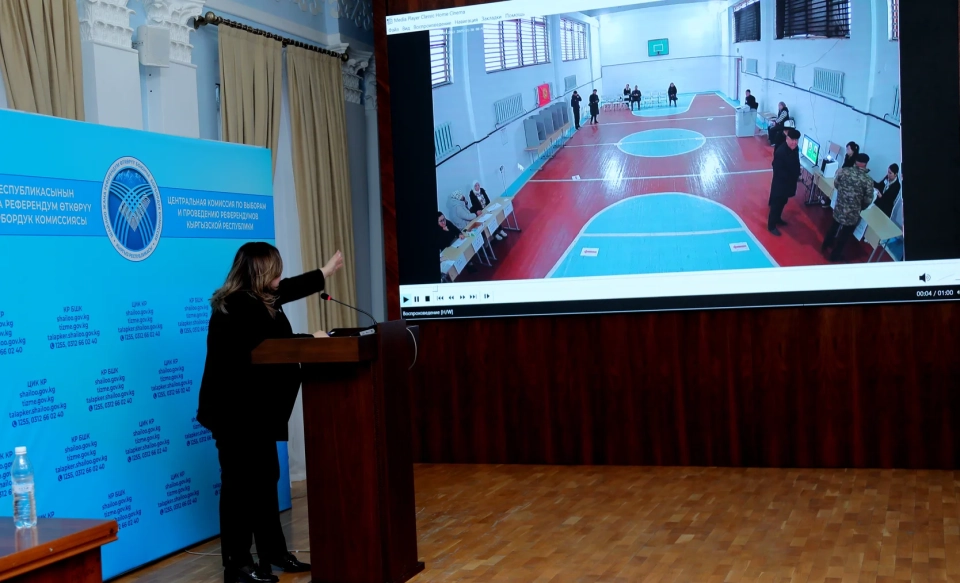
The main complaints concern the cameras installed by observers at 35 polling stations in the district, which allegedly violated the secrecy of voting and could have influenced the elections. However, according to paragraph 17 of part 4 of article 9 of the Constitutional Law "On the Elections of the President of the Kyrgyz Republic and Deputies of the Jogorku Kenesh of the Kyrgyz Republic," observers have the right to take photos and videos without violating the secrecy of voting and without interfering with the process. From the video recordings provided by the CEC, it is evident that observers placed their devices in different parts of the polling stations. But is this really a violation? The law suggests that it is not.
Many questions arise that remain unanswered despite the CEC's decision. For example, what exactly were these cameras recording? The process of identification, issuance of ballots, and the voting process itself – all of this is part of the observation that should be accessible. Filming is only prohibited in the voting booths where the voter exercises their right to secret voting. However, the CEC's decision does not mention video recording in the booths themselves, which means that the observers acted within the law.
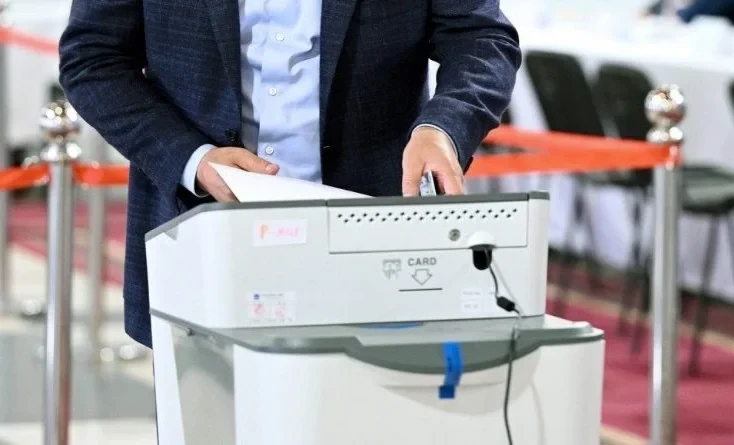
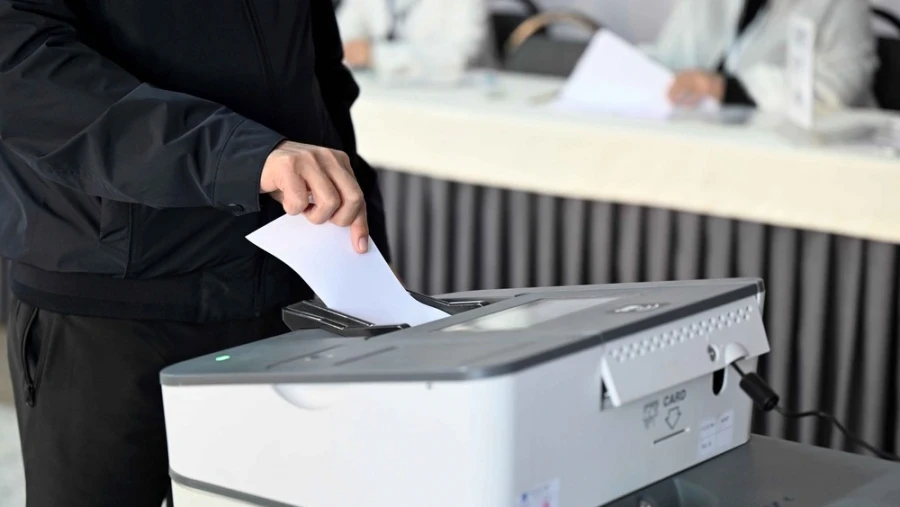
Furthermore, it is worth considering what could influence the will of the voters. Typically, such actions include bribery, intimidation, or pressure on voters. But what illegal actions could observers commit while conducting video recording? Probably none. If a voter secretly marked their candidate in the booth and personally dropped the ballot into the ASU urn, then video recording cannot influence their choice. Moreover, the ballot is dropped into the urn "face down," and even if the camera is above the urn, it will only record the number of ballots, not their content. Perhaps this is what the observers were recording?
Another interesting question is why a legal assessment of the actions of the precinct commissions was not provided before the decision was made? If commission members noticed violations, they should have immediately stopped them, documenting them in writing and notifying the higher commission. If the members of the PEC did not consider the actions of the observers to be violations, on what basis did the CEC annul the election results? Or did they see violations but continued the voting without taking any measures? In that case, why should candidates and voters bear responsibility for the inaction of the PEC?
Another important point: were there any facts confirming influence on the will of the voters that were verified by law enforcement agencies? If such facts existed, documents from law enforcement could have formed the basis for the CEC's decision. However, it is likely that such documents did not exist; otherwise, they would have been mentioned in the decision published on the website.
Finally, one can note the oddity of the generalization. What does "violations at 35 polling stations" mean? Were the actions of the observers at all stations the same, and were the cameras in the same places? Most likely not. Therefore, it would be reasonable to examine violations at each individual station, providing a legal assessment of the actions of all participants in the electoral process, not just the observers. As a result, conclusions could be drawn about the prevalence or absence of violations in the district.
In any case, these are just doubts of an individual expert, and the final legal assessment should be given by the court, which, in making a decision, will certainly address all the arising questions.
Alexander Orekhov
Photo www