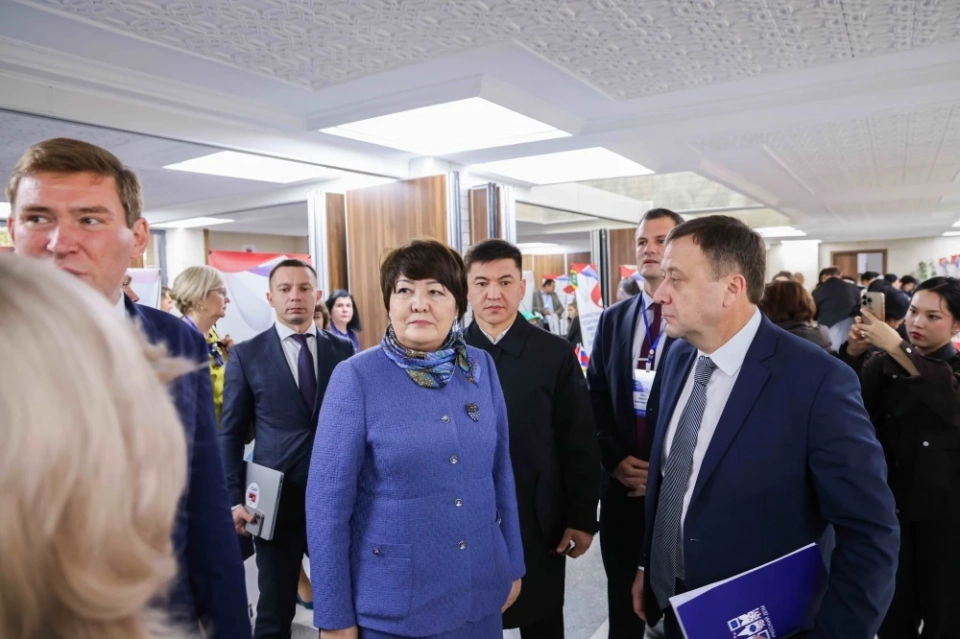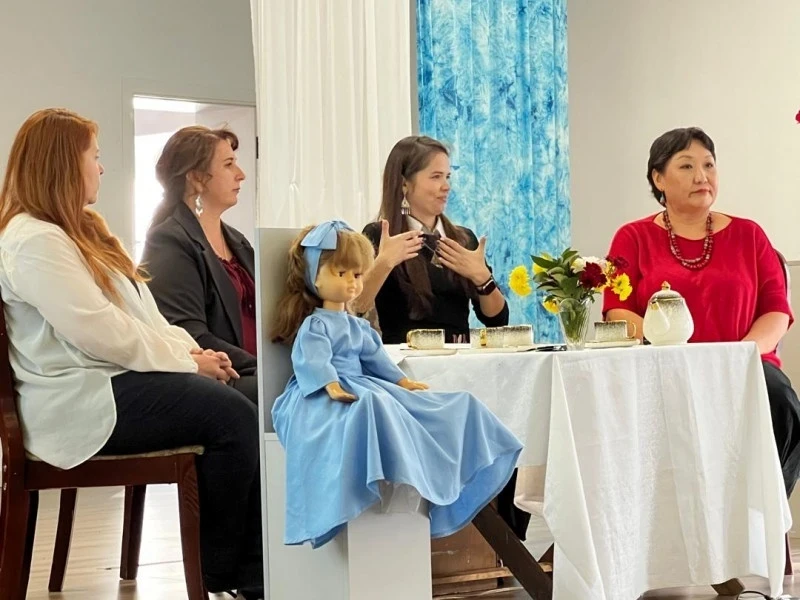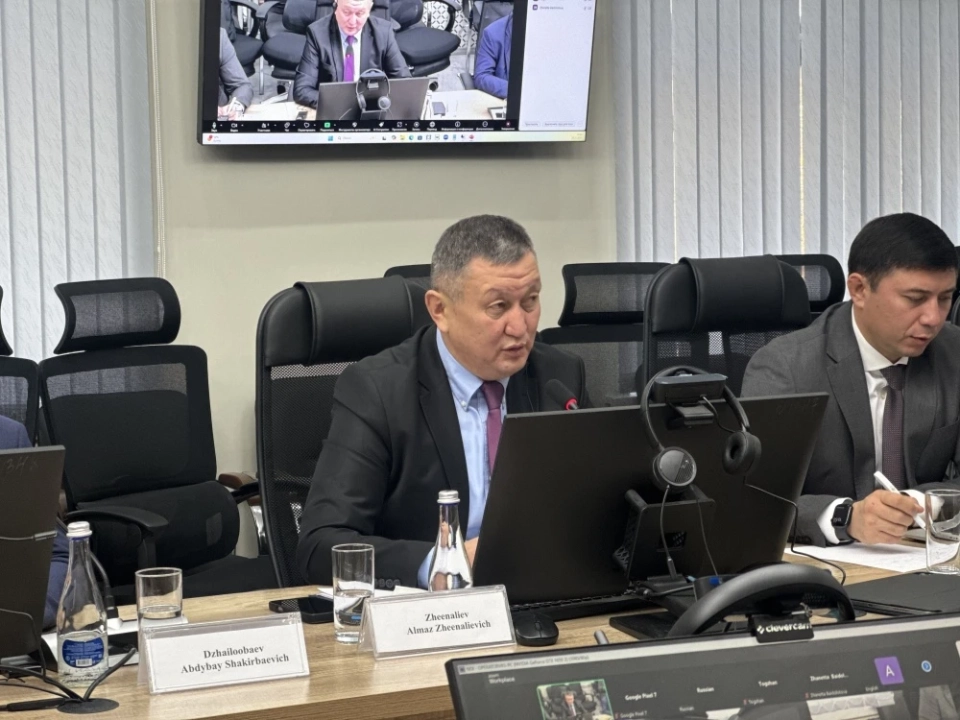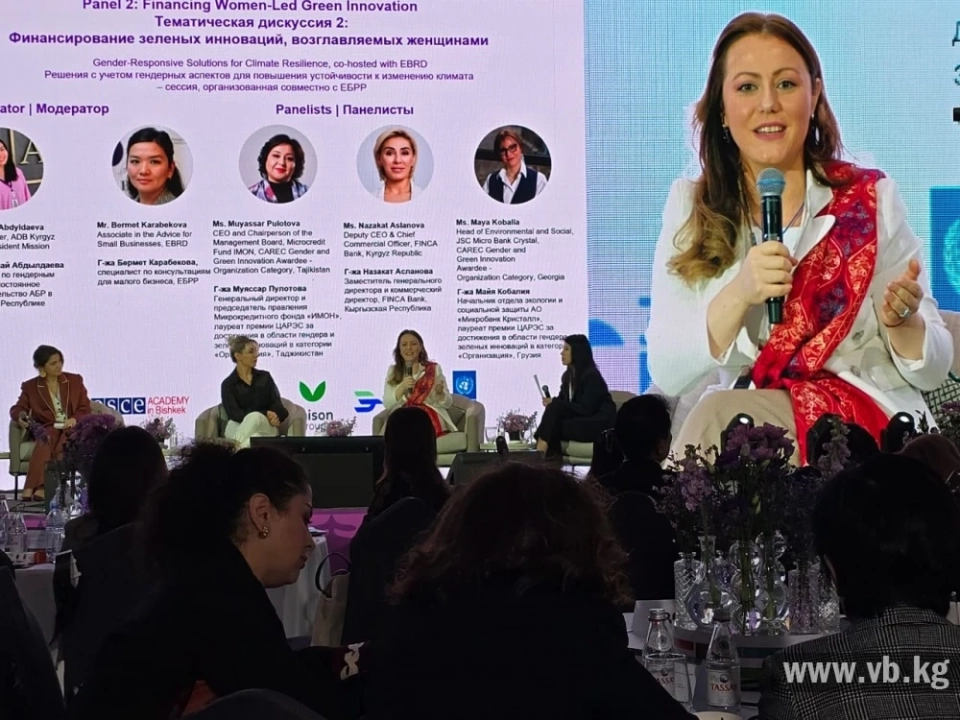
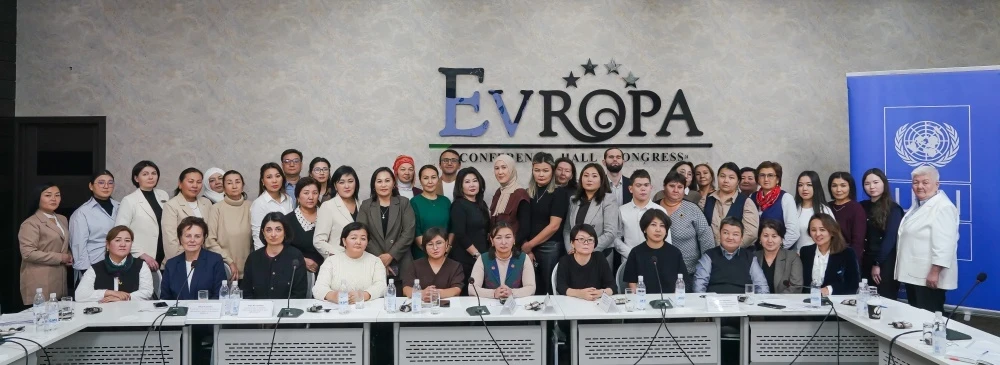
A National Conference dedicated to climate education issues in the school system of the Kyrgyz Republic was held in Bishkek. The event was organized by the Ministry of Education and UNDP, bringing together representatives from government bodies, educators, experts, and organizations working with people with disabilities.
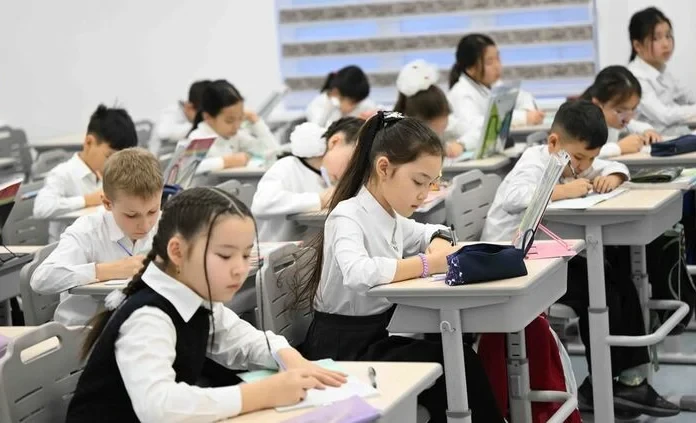
The discussions at the conference covered specific steps for modernizing climate education, including updating curricula and creating "green schools." The organizers emphasized the need for a new approach to education: it is important to explain complex climate processes to children in schools and kindergartens in a way that they not only understand but can also apply this knowledge in practice. Participants noted that climate education should include not only theory but also practical skills, such as the ability to plant trees, install solar panels, or implement energy-efficient solutions in their homes.
The main emphasis was placed on the fact that climate education is an important tool for developing 21st-century competencies and requires a comprehensive approach, including updating educational materials, developing school infrastructure, and enhancing teacher qualifications.
An important aspect of the discussion was the creation of "green schools" and the implementation of sustainable practices, as well as the integration of climate themes into extracurricular educational programs. Participants noted that there are already legislative initiatives in Kyrgyzstan aimed at developing green skills and new educational standards, which contributes to more dynamic and targeted work in this area.
Albert Makhmetkulov, Deputy Minister of Education of the Kyrgyz Republic, emphasized that "climate education is an important element in preparing youth for life in a changing climate. Priorities remain the integration of climate themes into curricula, support for teachers, and the use of digital platforms." He noted that it is important to provide every student with relevant knowledge and skills for the future.
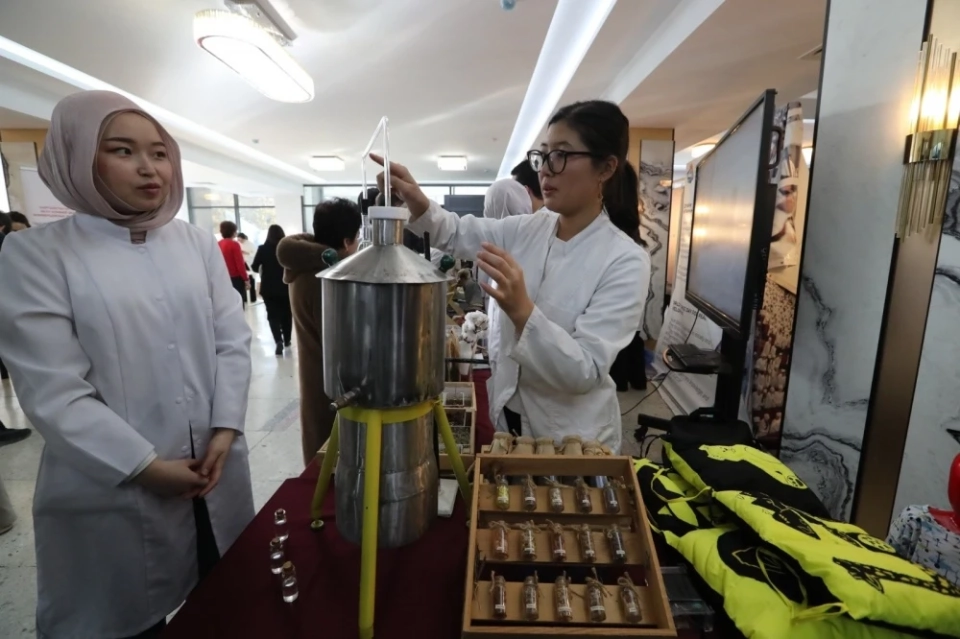
During the conference, schools No. 64 and No. 65 presented their projects and tools for enhancing climate literacy. Students demonstrated several innovative solutions, such as a sensor for measuring oxygen levels in the classroom and a device for monitoring temperature in a greenhouse. These projects, developed by students under the guidance of teachers, open up new opportunities for learning and practical application of knowledge.
Particular attention was drawn to an interactive educational tool called the "Climate Box" — a set of materials and tasks that helps integrate climate topics into various subjects. Participants noted that this kit makes lessons more visual and interactive, simplifying the explanation of complex climate processes and providing teachers with ready-made methodological solutions.
Danila Sorokin, a representative of the UNDP Regional Bureau, spoke about international experience and the development of the "Climate Box," which is now translated into several languages, including Chinese. Kyrgyzstan was the first to master this tool and is successfully promoting the project in other countries.
Alexey Poyda, First Secretary of the Russian Embassy in Kyrgyzstan, added that Russia actively supports environmental projects in the country, including the "Climate Box," implemented with the support of the Russian trust fund.
The UNDP Resident Representative in the Kyrgyz Republic, Alexandra Solovyova, noted that climate education not only forms knowledge but also values of sustainable development. Kyrgyzstan is taking important steps towards creating a system that ensures quality climate education for all students.
Solovyova also emphasized that UNDP has been investing in innovative educational solutions for over ten years, and the "Climate Box" is one of the successful projects that demonstrates how international cooperation can enhance climate literacy among youth.
Ahmadkhon Yusupkhanov, a representative of the public fund "Expert Solutions for the Implementation of the Convention on the Rights of Persons with Disabilities," expressed satisfaction that Kyrgyzstan is creating its own standards of inclusivity by adapting the "Climate Box" into accessible formats for children with special educational needs.
As a result of the conference, a resolution was adopted outlining the strategic directions for the development of climate education in the country. The document proposes further integration of climate themes into school programs, expanding the use of the "Climate Box," and holding annual meetings for educators to exchange experiences.
The resolution also provides for the creation of a digital platform for sharing practices and initiatives for the establishment of "green schools," aimed at implementing the principles of sustainable development in the educational process and school environment.
The project "Climate Education for Promoting SDGs and Climate Action" is being implemented with the support of the Russian Trust Fund of UNDP.