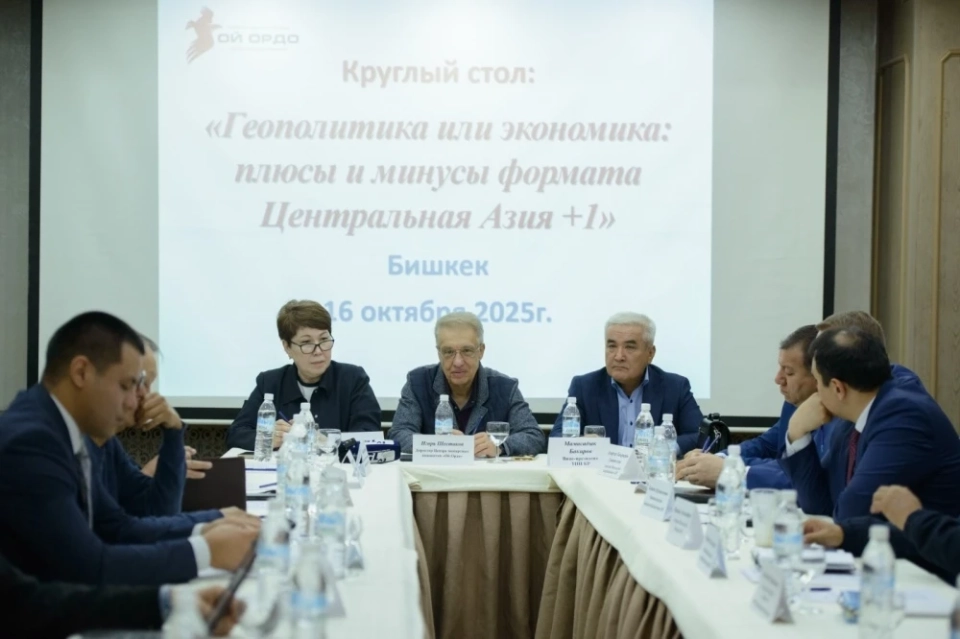
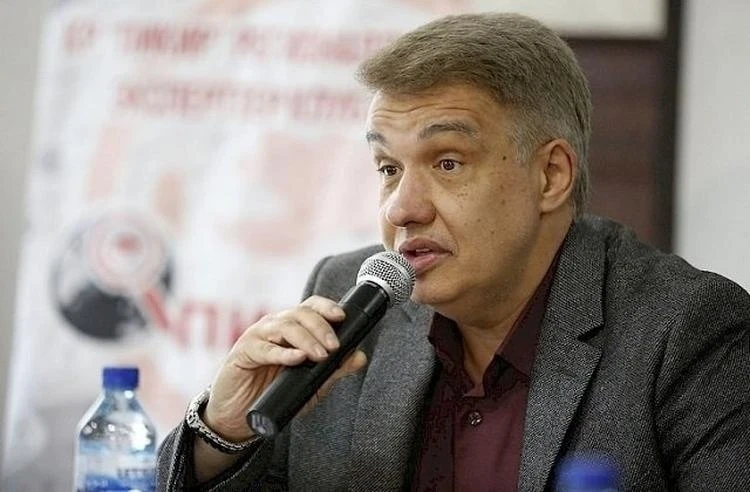
Igor Shestakov, director of the Center and political scientist, noted that Kyrgyzstan's current foreign policy agenda has been rich.
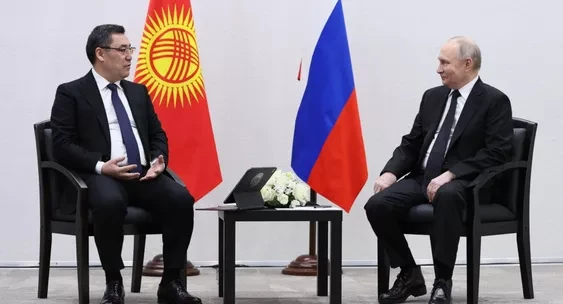
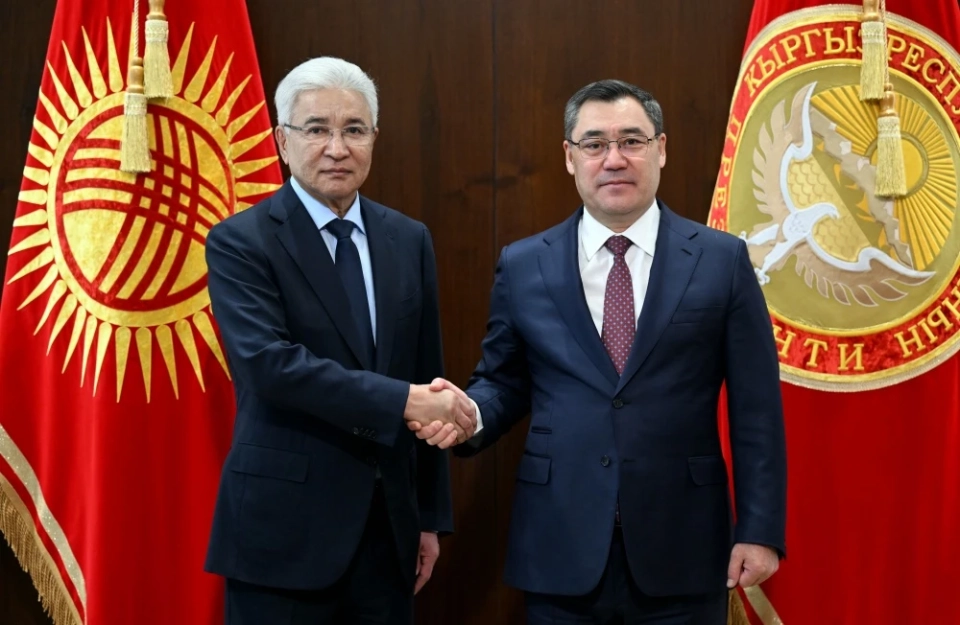
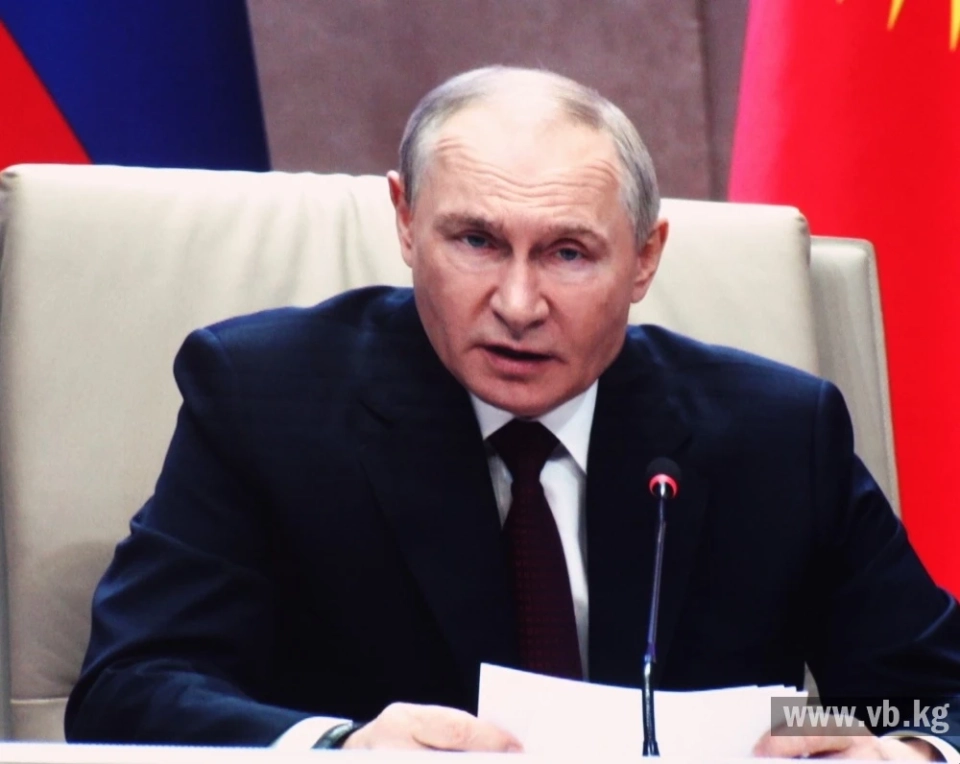
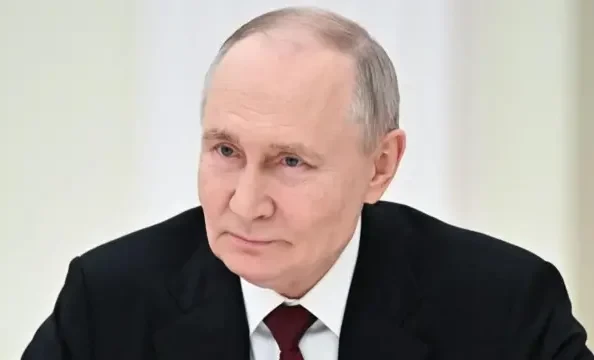
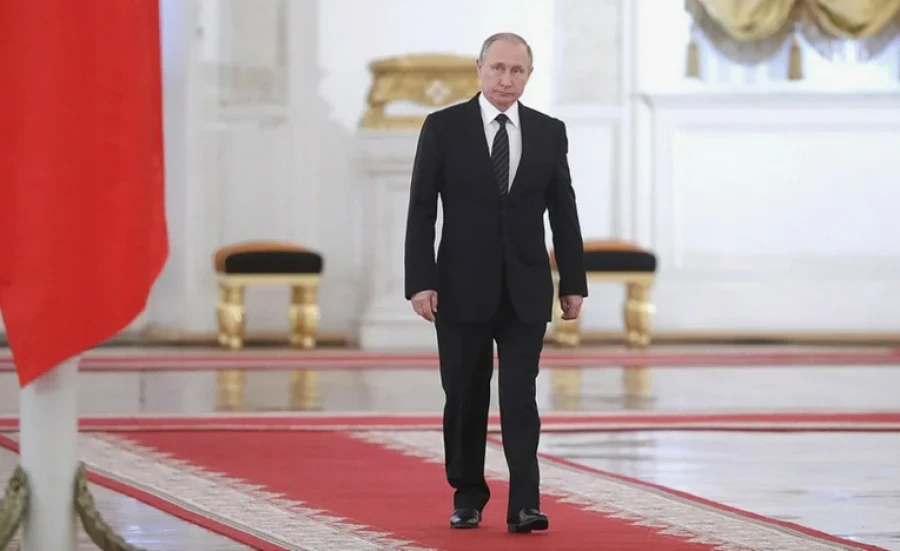
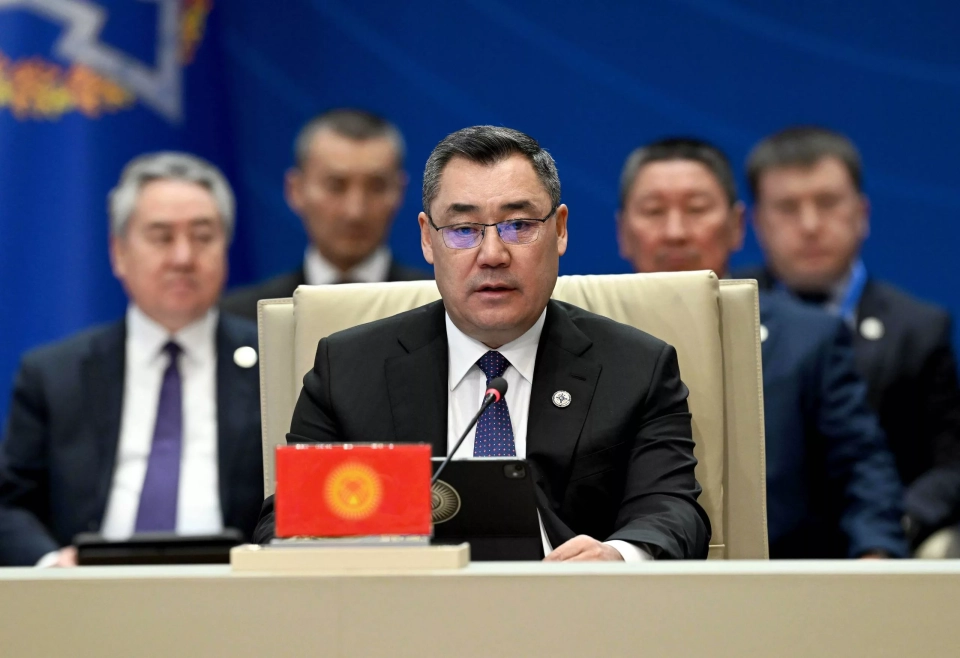
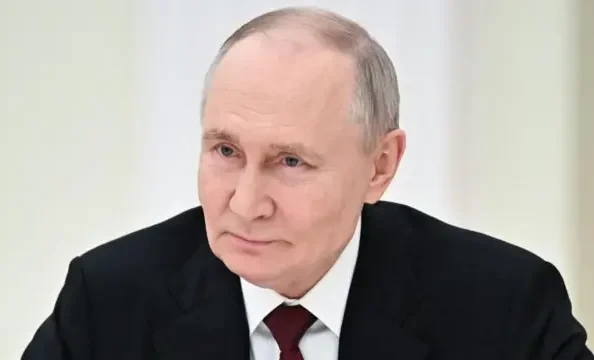
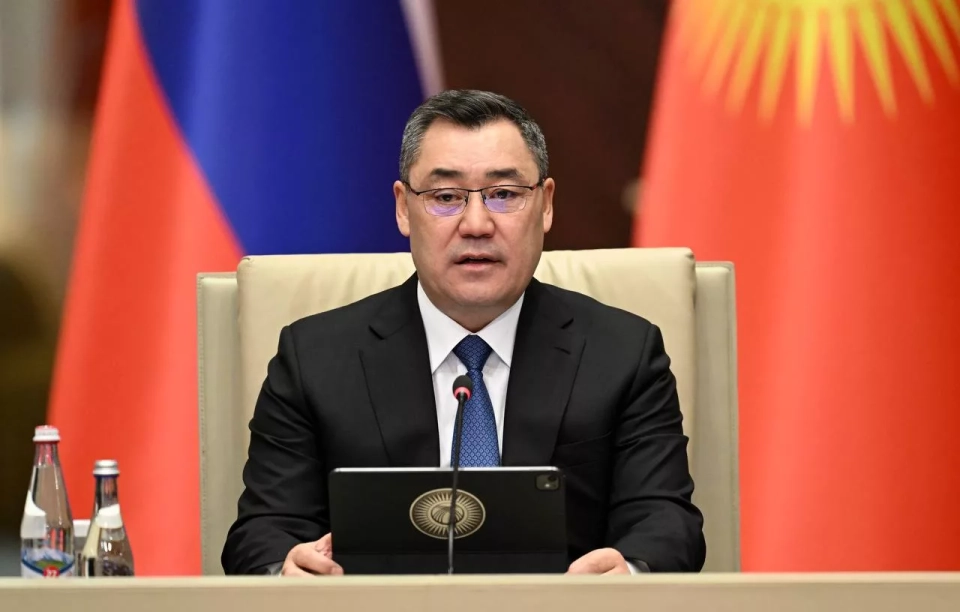
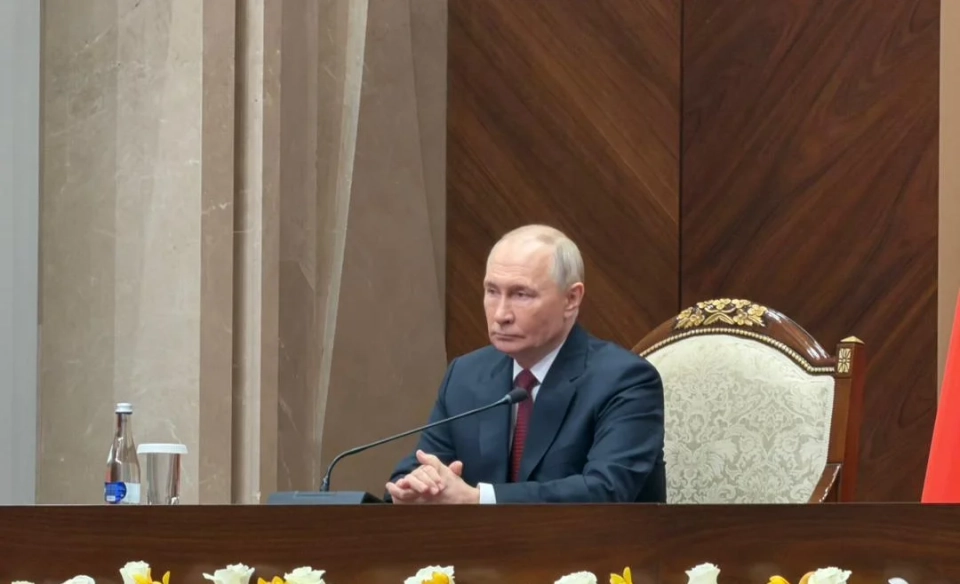
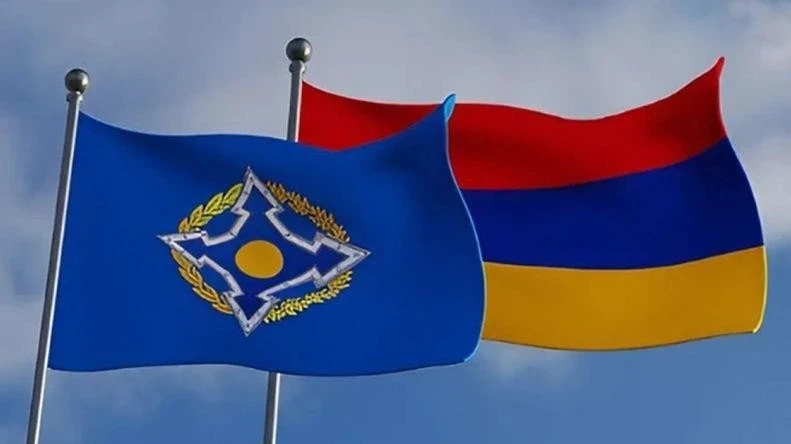
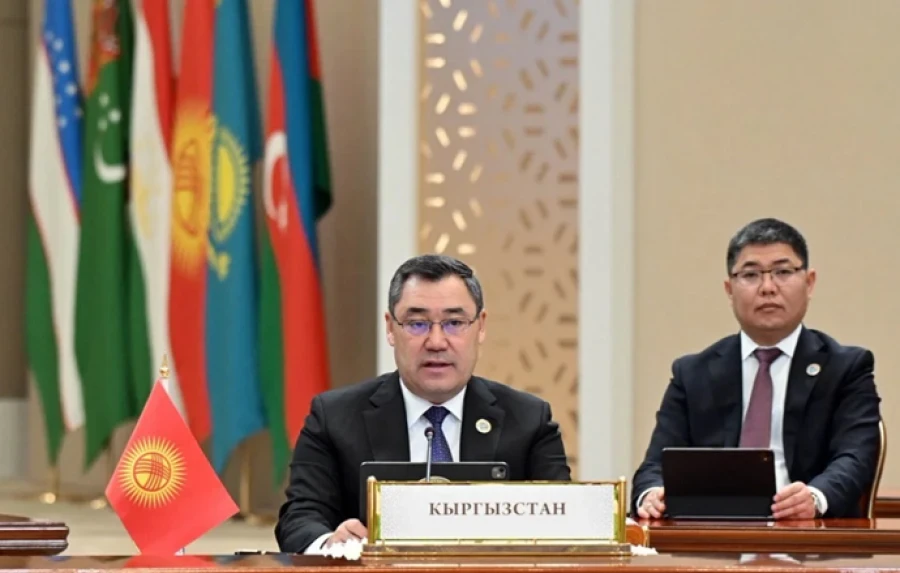
- This year, the country actively participated in meetings of the Central Asian Five, chaired the Organization of Turkic States and the CSTO, and is preparing to chair the SCO next year. President Sadyr Japarov held numerous bilateral meetings. Vladimir Putin's visit this year marked the culmination of an active phase in Kyrgyz-Russian relations, especially in the context of increasing the presence of Russian companies in Kyrgyzstan's economy, such as Gazprom and Rosatom, which are ready to help solve the republic's energy problems.
The Russian side intends to increase investments, particularly through the Kyrgyz-Russian Development Fund. Over the past ten years, the fund has financed about 3,500 projects totaling approximately $900 million, most of which are aimed at export-oriented enterprises. It is important to note that Western anti-Russian sanctions have not affected trade turnover with Russia, and even in light of these sanctions, Sadyr Japarov's speech at the anniversary session of the UN became significant, as it addressed the double standards of the West regarding Russian raw materials.
Kyrgyzstan's chairmanship in the Turkic Council has also become notable due to the expansion of the ideological agenda from Ankara, although the economic component still lags behind. The authorized capital of the Turkic Council's investment fund is $500 million, which is not a serious investment resource for the participating countries.
- The recently signed decree by Turkish President Erdogan on the employment of citizens from Turkic countries has sparked active discussions in Turkish society. Experts point out that for citizens of the Turkic Council wishing to live in Turkey, many conditions will need to be met. Currently, about 40,000 Kyrgyz citizens work in Turkey, while in the EAEU countries, this figure exceeds 700,000. This underscores that declarations of unity are insufficient without a corresponding socio-economic base. The trade turnover within the Turkic Council is primarily focused on the export of Turkish products, as evidenced by the nearly 5% increase in imports of Turkish goods to Kyrgyzstan in 2025.
Military cooperation, actively discussed in the context of the Turkic Council, is also related to the supply of Turkish weapons, primarily drones. Unlike the CSTO, where assistance is provided free of charge, within the Turkic Council, this occurs on a commercial basis, highlighting the relevance of creating a political union in Central Asia, Shestakov added.
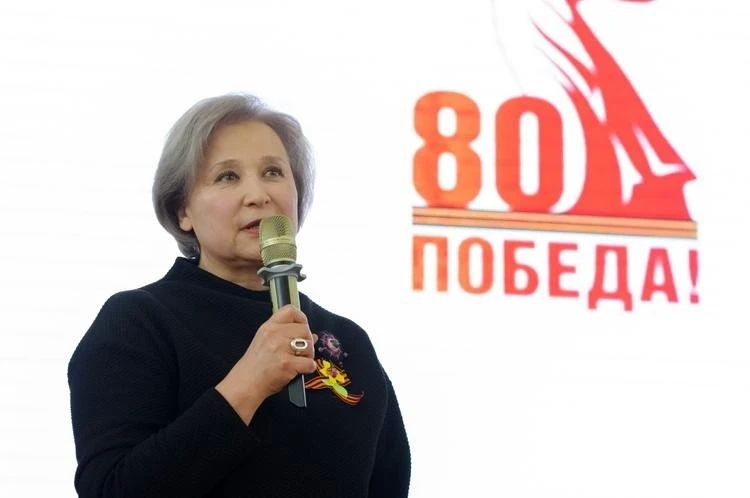
Deputy Director of the CEI "Oiy Ordo" Natalia Kreck supported this idea, noting that interest in Central Asia from external geopolitical actors has significantly increased over the past ten years, especially since 2022, but it is still too early to speak of the region's full subjectivity.
- To some extent, the countries of the region continue to remain objects of international political processes. Today, the Central Asian states participate in various associations - CIS, CSTO, EAEU, Turkic Council, and SCO. However, there is still no full-fledged regional integration. Although experts note the contribution of the C5+1 format to cooperation within the region, this assessment is only partially accurate. Russia and China view Central Asian countries as equal partners and seek to develop real trade and economic cooperation, while the USA and EU continue to act from a position of superiority, creating artificial competition among Central Asian states, especially in investment, Kreck expressed her opinion.
In this context, the creation of a Central Asian union could be an important step for the countries of the region. It would allow the countries not to compete with each other but to confidently present themselves on the world stage and strengthen the trust necessary for establishing a reliable security system on the Eurasian continent.
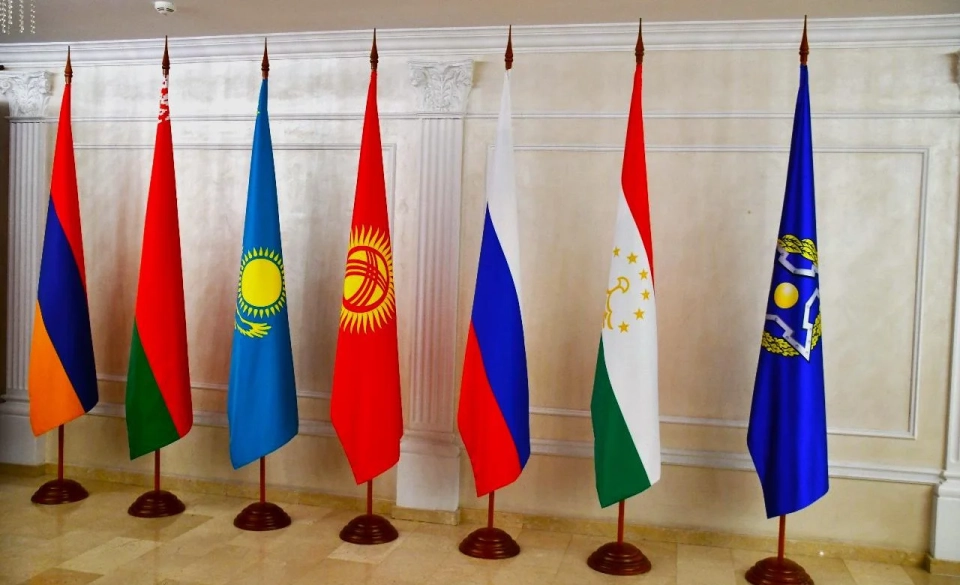
- Unfortunately, we have certain problems. Three of the five Central Asian republics — Kyrgyzstan, Kazakhstan, and Tajikistan — are members of the CSTO. Kyrgyzstan and Kazakhstan, as well as Uzbekistan, are part of the Organization of Turkic States, while Turkmenistan is an observer. The Turkic Council also includes Turkey — a NATO member — and Azerbaijan, which has declared a transition to NATO military standards.
Although the military component within the Turkic Council has not yet been formed, at a recent meeting in Gabala, Azerbaijan proposed such an initiative, which came as a surprise to the Central Asian participants, including Kyrgyzstan. The President of Azerbaijan is trying to implement the Ankara-Baku cooperation model across the entire Turkic Council.
It can be assumed that this is being done to create a crisis of trust within the CSTO and SCO, as members of these organizations have long been holding back the rapprochement of the Shanghai Cooperation Organization with Turkey, viewing it as an active NATO member. It is important to note that Azerbaijan's close ties with Turkey became one of the reasons for blocking Baku's application to join the SCO this year.
Considering that Russia is currently effectively opposing the NATO bloc, involving its allies from the CSTO and SCO into the sphere of influence of the NATO bloc will inevitably lead to a decline in trust. This confirms that certain forces funded by the UK seek to use our region for their geopolitical interests, and all statements about security are nothing more than rhetoric, Kreck added.
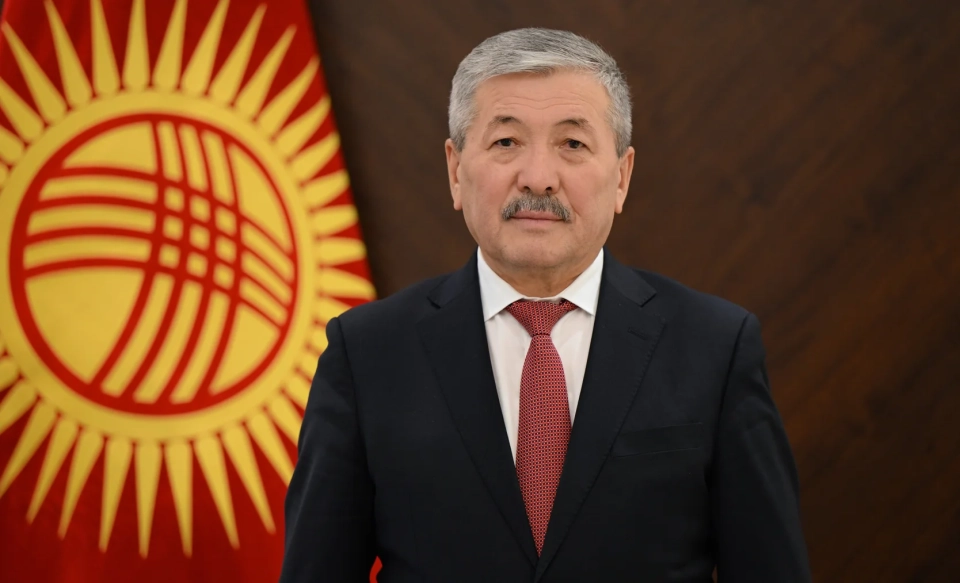
Kairat Osmonaliyev, head of the Turkic Heritage Center at the J. Balasagyn KNU and Doctor of Law, in turn, stated that he sees no contradictions in creating a military-political alliance within the Turkic Council.
- The Azerbaijani army has proven its combat capability, and the republic's defense industry is quite strong. The Turkish army is considered one of the most powerful in Europe and NATO. There is bilateral cooperation between our countries. I believe that the idea of transitioning to a higher level of military interaction within the Turkic Council will develop. The summit resolution clearly outlines directions for military cooperation, defense industry, and coordination of approaches to regional threats. Last year, as a former ambassador, I suggested considering the creation of a military component of the Turkic Council, which provoked a strong reaction, including from our northern partners. But the question remains open: can the Turkic space become a zone of collective security? I am confident that there is potential for this, Osmonaliyev shared his opinion.
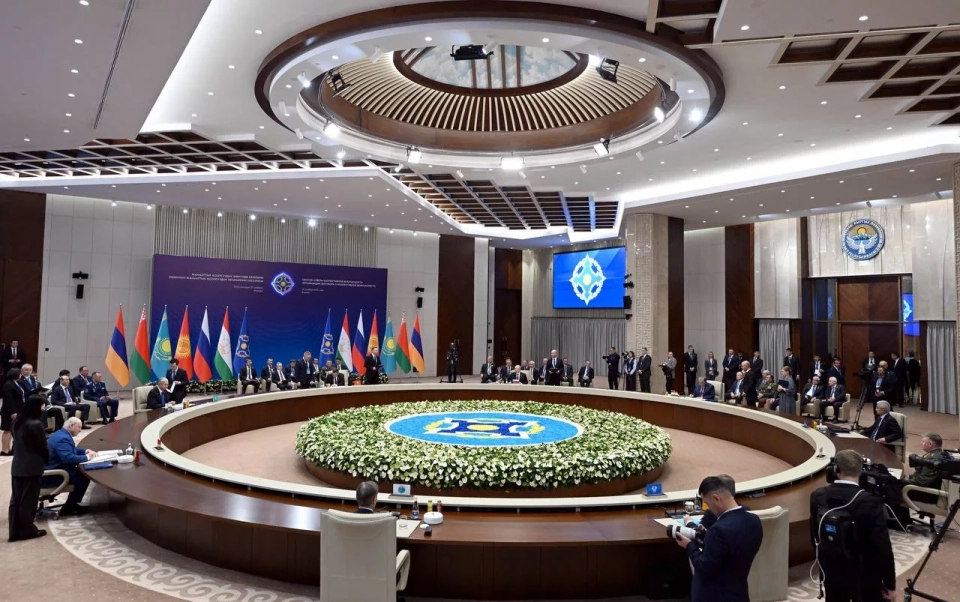
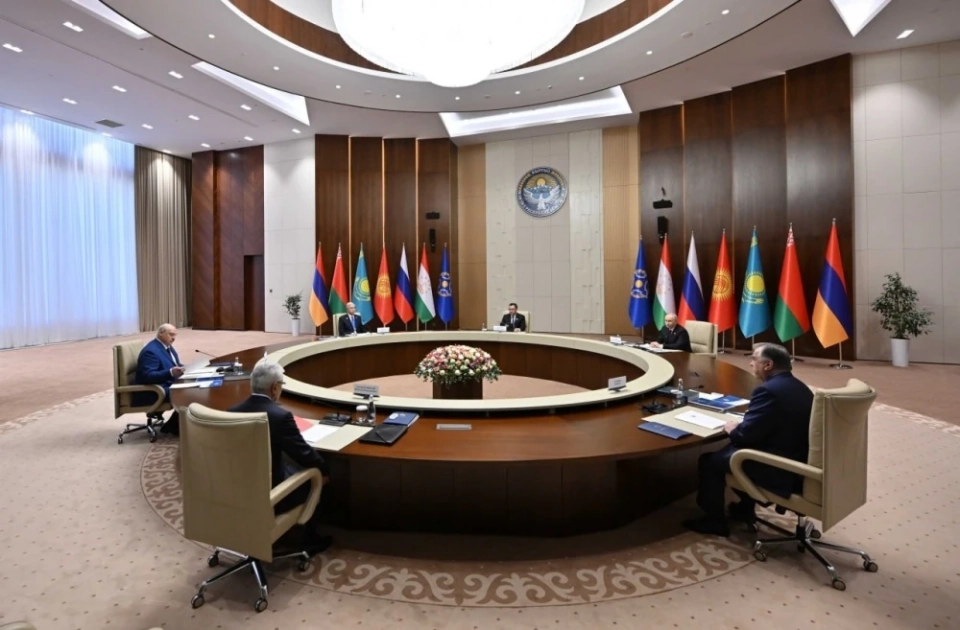
He also noted that Kyrgyzstan's chairmanship in the CSTO came during one of the most challenging periods for regional security, and the discussion of the summit's outcomes is taking place in a relevant context.
- At the same time, Kyrgyzstan also chaired the Organization of Turkic States, which is currently developing dynamically. Although the economic component is still not large, the ideological and political impulses are unprecedented. Since the transformation of the Turkic Council into a full-fledged Organization of Turkic States on November 12, 2021, it has begun to operate in full format. In my opinion, today the Turkic Council is practically incomparable.
Next year, Kyrgyzstan will chair the SCO — another important platform for shaping a new agenda.
In summary, the years 2024–2025 will be a showcase for Central Asia. Our leaders are at the center of attention of three key capitals of world geopolitics — Moscow, Beijing, and Washington. Summits are taking place with new frequency, and security issues are becoming increasingly relevant.
I want to remind you that the "5+3" initiative, voiced by Kyrgyzstan at the summit in 2021, where the Turkic Council was created, implies cooperation between five Central Asian countries and three South Caucasian countries. Azerbaijan has become a permanent participant in the consultative meetings. The role of the South Caucasus in regional processes is growing, and Central Asia is acting for the first time based on its own interests, rather than looking back at others.
Thus, we are gradually transforming from an object of geopolitics into its subject. This is the key outcome of the year, Osmonaliyev concluded.