In a scenario of rapid economic growth, the poverty level is projected to increase by only 1.8 - 2.2% by 2030-2040, and no deviation from current trends is predicted by 2050.
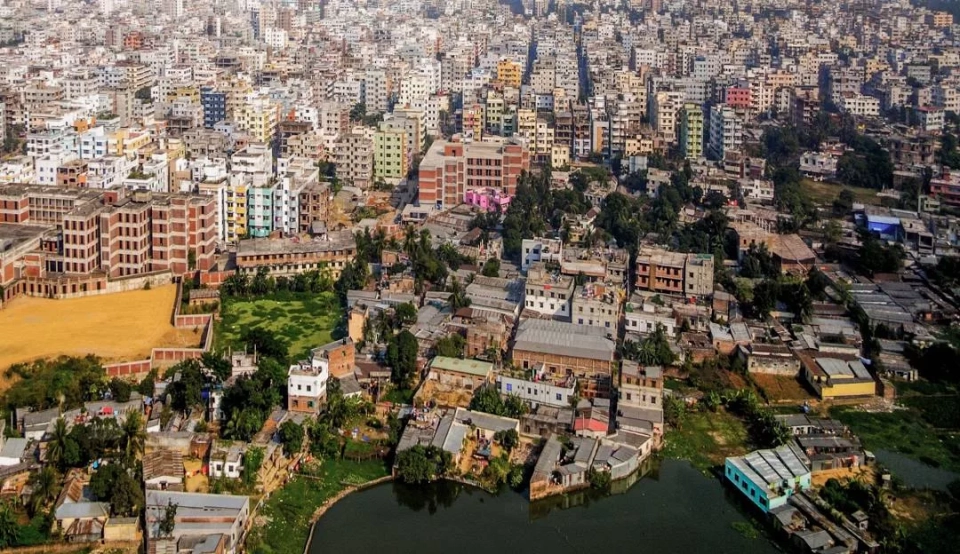
A deeper negative effect will be noted in rural areas compared to urban ones in 2030 and 2040.
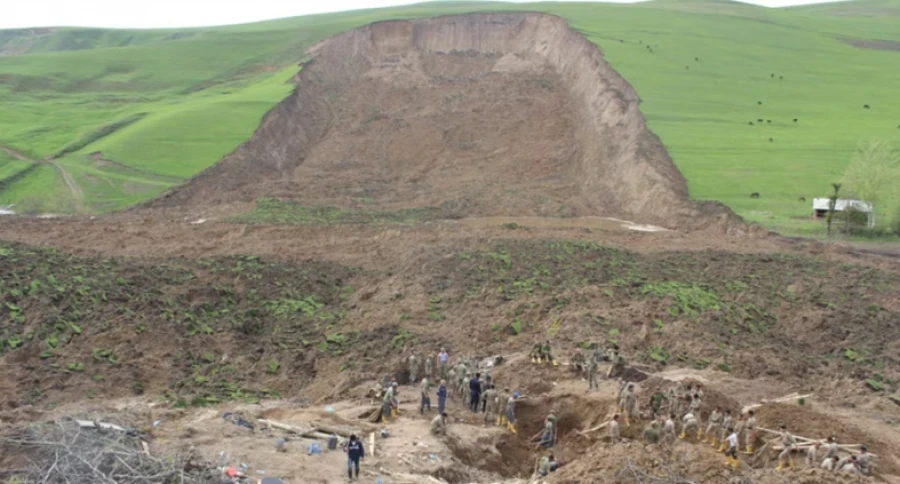
Experts highlight Talas as the most vulnerable region, where 64% of the population faces a high threat of flooding, and 23% are at risk of landslides. The Kochkor district is also at risk of flooding (48.63%) and low consumption levels, while the Toguz-Toro district suffers from high poverty and flooding risks at 37.5%.
The World Bank emphasizes that job losses in some sectors due to climate change will be offset by new opportunities in other areas.
As stated in the report, "the net impact of climate change on employment in Kyrgyzstan is unlikely to be significant; however, differences between sectors may be substantial."
The largest job losses are expected in agriculture, construction, and services due to the labor intensity of these sectors.
Agriculture, which remains the primary source of income for rural residents, is suffering from water shortages, threatening about 15,000 jobs.
The report also notes that "most households in the lowest 20% income bracket depend on subsistence agriculture, making them particularly vulnerable to climate change."
Photo on the main page: Сabar.asia.