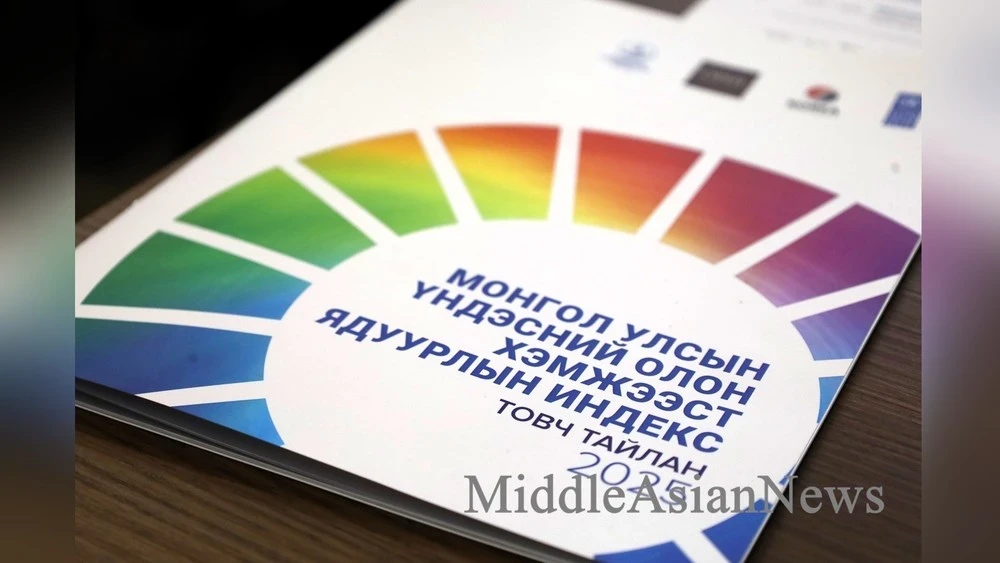
The National Statistical Office (NSO) has published preliminary results of the National Multidimensional Poverty Index (MPI), which is being developed under the United Nations Development Programme (UNDP) project "Strengthening Statistical Capacity for Sustainable Development," funded by the Ministry of Foreign Affairs of the Republic of Korea.
The creation of the MPI was made possible through extensive collaboration led by the NSO Working Group, with support from experts from the Oxford Poverty and Human Development Initiative (OPHI) and the Seoul Policy Center of UNDP. The main objective of this pilot MPI project was to study the interconnected aspects of deprivation in health, education, employment, and living conditions. An internationally recognized Alkire-Foster method was used, adapted to the specifics of Mongolia and based on preliminary data from the socio-economic household survey planned for 2024. The document also outlines the methodology that will be applied by the NSO for publishing the final MPI results in 2027, based on data from the 2026 Household Socio-Economic Survey.
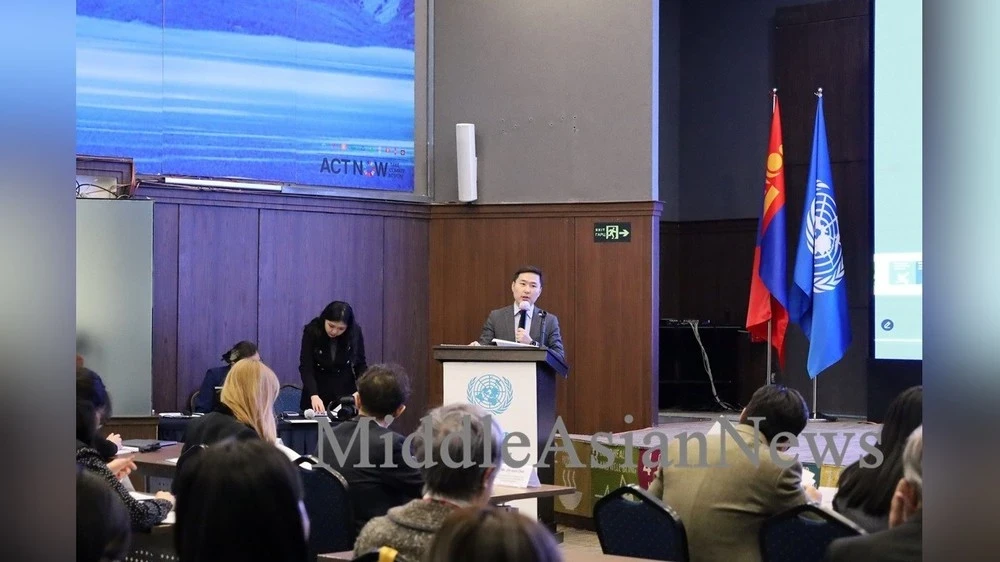
Batdavaa Batmunkh, Chairman of the NSO, noted that "The National MPI contributes to data-driven decision-making and accountability, as well as improving the accuracy of assessing the living conditions of the population, allowing the government and its partners to allocate resources more effectively and track progress. The final MPI results will be officially presented by the NSO in 2027 based on data from 2026, and we remain committed to regularly updating the index."
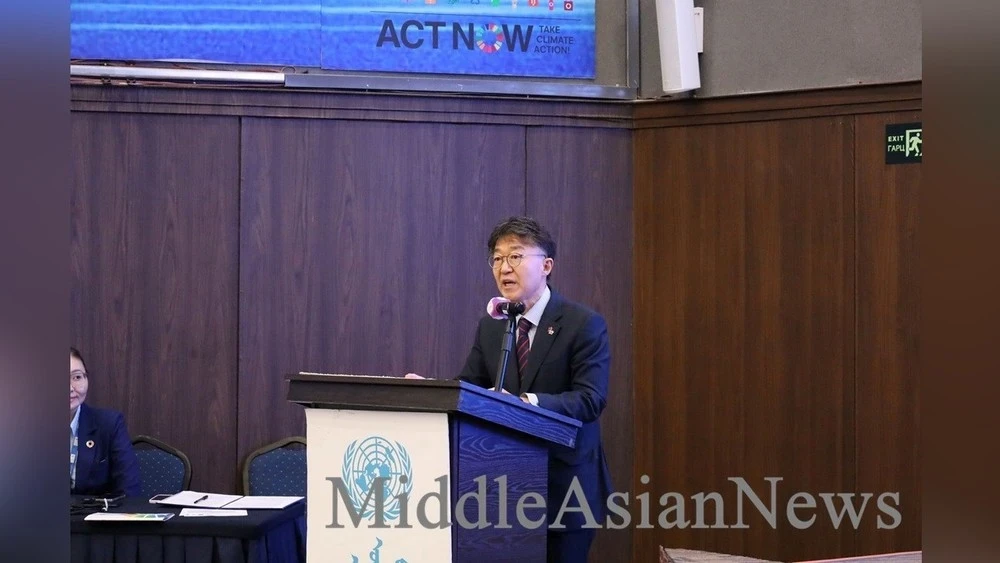
Choi Jin-won, the Ambassador Extraordinary and Plenipotentiary of the Republic of Korea to Mongolia, emphasized the significance of the National Index, stating that "Korea is ready to continue active cooperation with the government of Mongolia to deepen collaboration in development, governance, women's empowerment, environmental protection, and social policy."
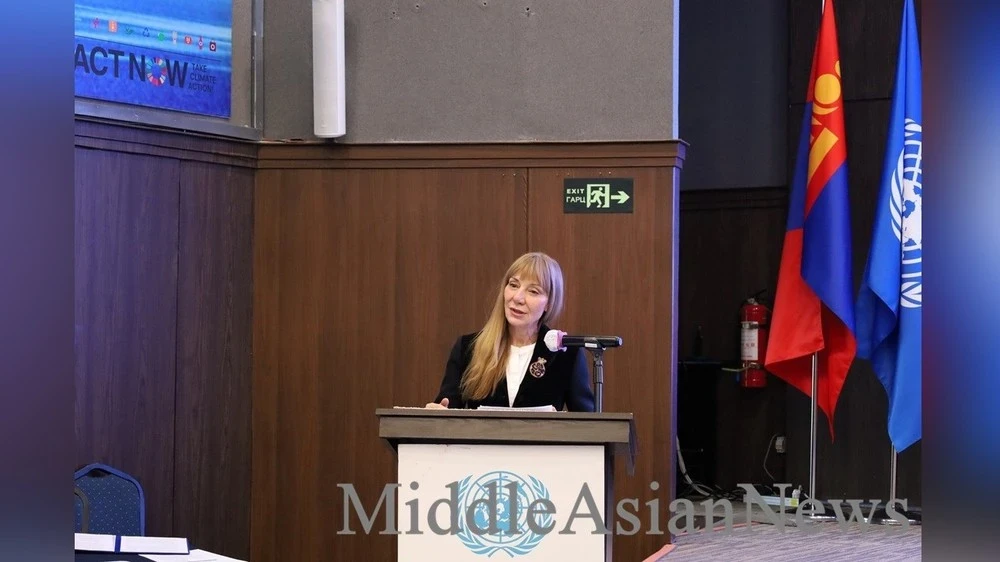
Matilda Dimovska, UNDP Resident Representative in Mongolia, noted that "By considering not only income levels but also the actual living conditions of people, the results of this pilot study of the poverty index provide Mongolia with more effective tools to fulfill its sustainable development commitments. UNDP will continue to collaborate with the government to utilize this data to assist in areas where it is most needed and ensure that no one is left behind."
The conclusion of the event was marked by a discussion of the opportunities that the National Multidimensional Poverty Index of Mongolia provides for more targeted public policy formation, improving comprehensive socio-economic strategies, and creating a reliable database for developing programs aimed at reducing poverty and vulnerability. With the introduction of this National Index, Mongolia will join more than 50 countries using multidimensional poverty assessment as an important tool for achieving fair, inclusive, and sustainable development.
Tatar S.Maidar
source: MiddleAsianNews