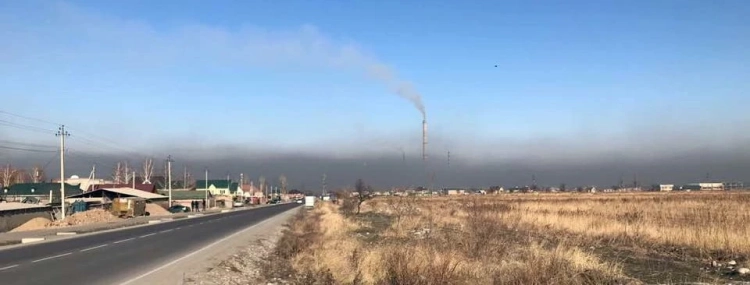
Factors Contributing to Smog
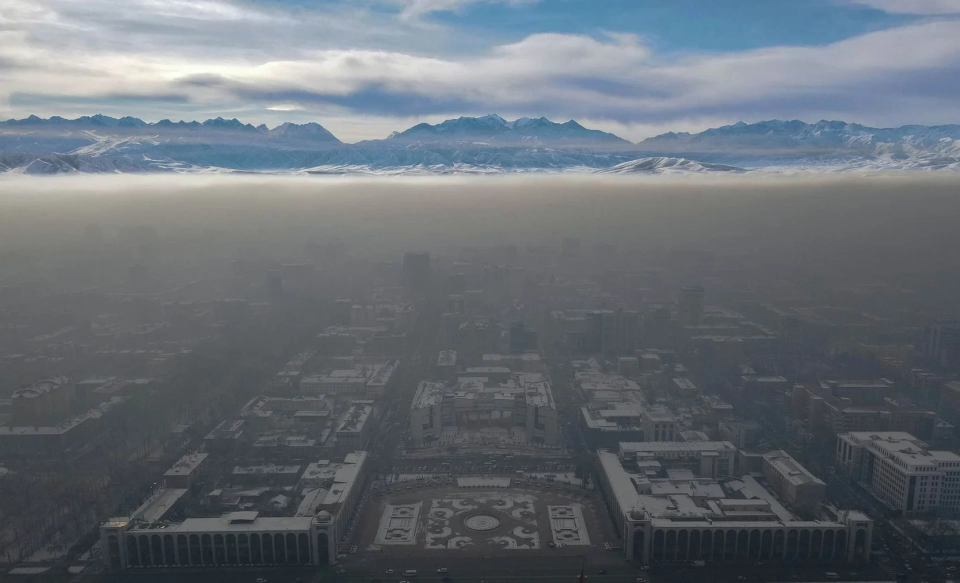
According to a study by the Asian Development Bank titled "Combating Air Pollution in Bishkek," the primary cause of air pollution is the use of coal for heating.Janibek Kulumbetov, an expert from "Unison Group," explained: "Buildings in Bishkek require significant heating costs due to insufficient thermal insulation, which leads to 40% of all emissions."
Azat Muradyl added: "We heat our homes, but a significant amount of heat escapes outside through gaps."
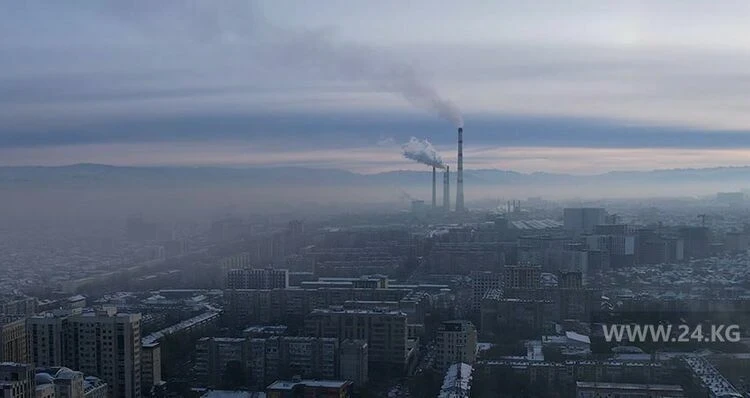
Among other factors contributing to smog, experts highlight automobile transport, the operation of CHPs and boiler houses, as well as garbage burning and dust in the city.
Possible Solutions to the Problem
As an alternative, specialists propose the implementation of solar panels, heat pumps, and building insulation to improve the heating situation, including gasification.Kulumbetov noted: "Solar stations can provide us with free electricity, and insulating buildings can reduce energy consumption by half. Heat pumps can reduce energy consumption by three to four times."
Experts emphasize that solar stations can be used either entirely for electricity generation or in a hybrid mode, with the possibility of selling excess electricity. This solution can be implemented by individuals, as well as at the business or government level.
Azat Muradyl added that with increasing demand, local manufacturers have started offering solar panels and heat pumps, making them more accessible.
Kulumbetov also pointed out the possibility of installing solar stations in the private sector through preferential financing and long-term loans. The payback period for such investments can range from 7 to 10 years.
"Currently, many banks, including state ones, offer green financing programs, which can help address the issue for the private sector," he added.
Solar stations are safe and do not emit harmful substances. Heating is provided through the generation and use of electricity.
"The cost of a 1-kilowatt panel is approximately $1,000, and to heat an area of 100 square meters, a heat pump may consume 1.5-2 kilowatts," he specified.
Discussing the insulation of private homes, Muradyl mentioned the need for thermal insulation of roofs and walls, especially those exposed to wind, as well as windows.
Specialists emphasize the importance of a comprehensive approach to improving energy efficiency, including building insulation and the use of alternative heat sources.