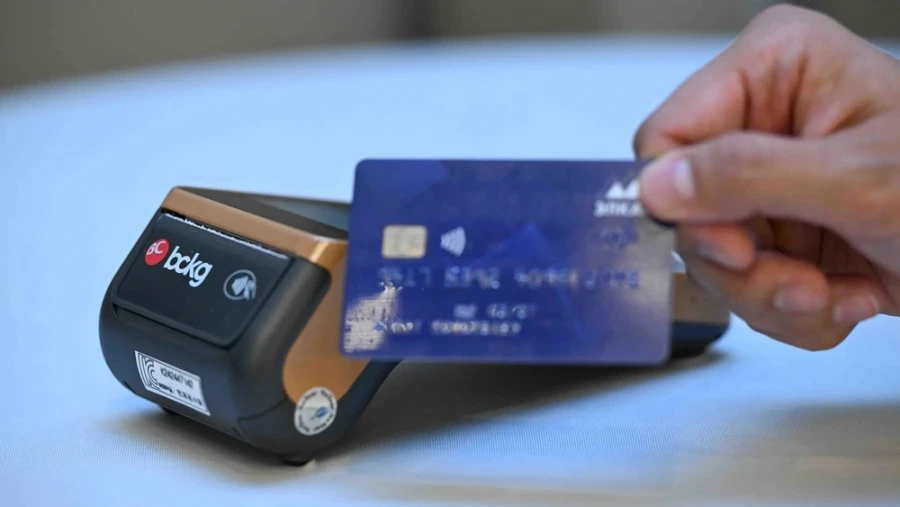
Earlier, we covered the sharp turnaround in the situation with digitalization in Kyrgyzstan, when there was a "rollback" to cash payments. Buyers, accustomed to the convenience of electronic wallets, faced a restriction: "Cash only!"
Since 2026, there has been a strict ban on the use of electronic wallets registered to individuals or their relatives. Fines for transfers to personal accounts of sellers amount to 20,000 soms for individuals and 65,000 soms for legal entities. In addition, tax authorities now have the ability to deduct debts directly from electronic accounts.
After the publication on this topic, many users left comments indicating that not all entrepreneurs agree with the new rules. Perhaps the reason lies in the insufficient explanatory work by the State Tax Service, leading to misunderstandings about the innovations. We have gathered the most vivid opinions reflecting the real state of affairs in small business.
“I categorically refuse to use individual entrepreneur accounts, I’m tired of taxes! Why is it never enough for them? Now they are also collecting 6% from every amount, where is the fairness?” - shares one user’s opinion.
“Small business is not against individual entrepreneur accounts, but the huge bank commissions on incoming transfers make us refuse them. If banks cancel the commissions, many will gladly open business accounts,” - notes a Kyrgyz woman.
Another entrepreneur confirms her words with figures: “Banks charge 1% and 1.2% for internal transfers, and for transfers from other banks - 2%. Taxes are calculated on the main amount, ignoring these commissions. The amounts go to taxes and commissions, believe me.”
In addition to financial aspects, entrepreneurs also raise issues of trust in banks and convenience: “Payments arrive at different times: sometimes immediately, sometimes the next day, and sometimes they don’t arrive at all. It’s very difficult to track the transaction history, it’s a complete mess. There is no trust in banks, that’s the main problem, and commissions are the second. If the government forces banks to eliminate commissions and ensures fast transfers, then everyone will switch to business accounts without any problems.”
In social networks, the discussion about the innovations is turning into disputes between supporters of the reform and entrepreneurs providing specific examples.
“Now sellers in markets will have to open accounts or individual entrepreneur accounts, and they will have to pay bank interest. This will lead to the same situation as with cafes and restaurants - prices will skyrocket, and people will have to pay again,” - claims one user.
However, other commentators disagree, emphasizing that bank commissions are not that high:
“What price hikes? The bank's commission is 0.8% of the amount. It’s bearable, we work. And transfers from MBank to MBankBusiness are commission-free,” - replies a certain Kanybek.
Nevertheless, entrepreneurs insist that the real financial burden is significantly higher than it seems at first glance.
“If, for example, the cash register processes 30,000 soms a day, then the tax at the end of the month will be about 41,000 soms. That’s 30-35% of the net income of small businesses. This is only from the cash register, not counting other taxes. Any reasonable person will raise prices to avoid working at a loss,” - shares the opinion of another user.
Thus, it becomes clear that the State Tax Service of Kyrgyzstan urgently needs to provide comprehensive explanations. Entrepreneurs should not have to guess about the essence of the reform; they need clear and reliable information. Open dialogue and clear instructions can help reduce tension in the business environment and prevent payments from going underground.