As Takirov noted, this measure, introduced by the government of the Russian Federation, is aimed at strengthening control over commodity flows within the Eurasian Economic Union.
Key requirements of the SPOT system
- Receipt document: recipients of goods (residents of the Russian Federation) must create a special document in the system of the Federal Tax Service (FTS) of Russia.
- Security payment: the partner in Russia is required to deposit into a special FTS account an amount equal to indirect taxes (for example, VAT and excise duties), according to the electronic invoice.
- Deadlines: the document must be prepared, and the payment made at least two days before crossing the border.
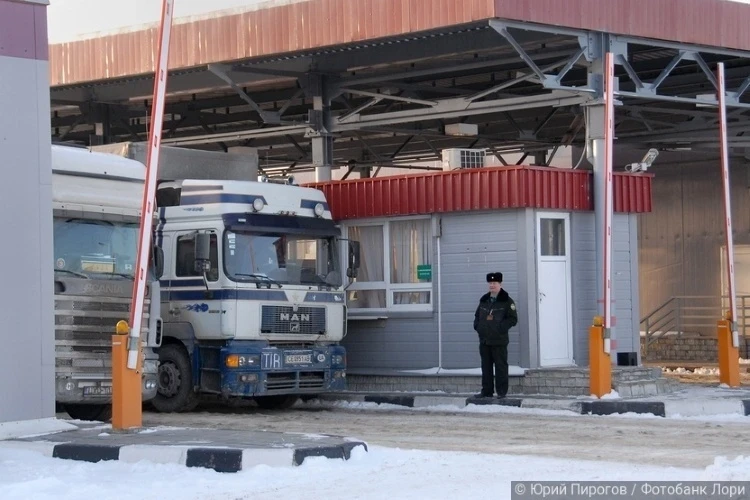
- QR code: in the absence of a QR code confirming registration and payment, mobile groups will be able to stop the cargo upon entry into Russia.
According to Takirov, the system will start functioning in test mode on April 1, with a full launch scheduled for July 1. The new rules will affect almost all trade operations, except for individuals (goods for personal use), diplomatic cargo, transit, and large taxpayers.
It is preliminarily reported that marketplaces will also be exempt from the new requirements.
“If the cargo is directed to Russia and there is no QR code confirming the payment of the security deposit and the presence of a transportation document, mobile groups will simply stop the cargo,” he emphasized.
Related materials
The crisis in the garment industry: Daniyar Amangeldiev reported on solving the problem
The garment industry of Kyrgyzstan is facing serious difficulties due to the sharp increase in control by Russia at the border with Kazakhstan. The situation has been complicated since September: cargo delays have led to Russian buyers being unable to receive their goods for months, while garment workshops in Kyrgyzstan remain unpaid for completed orders.