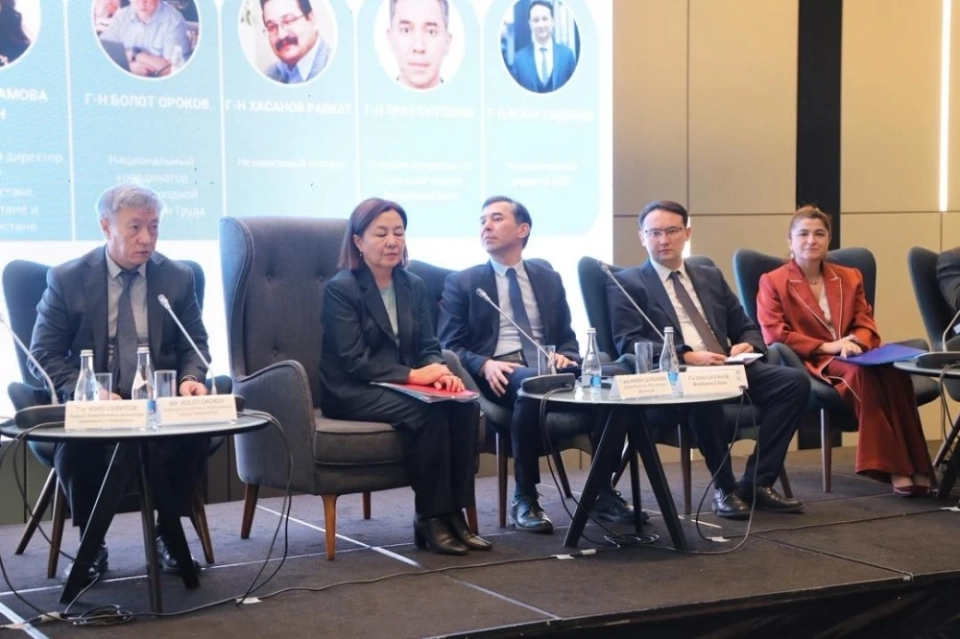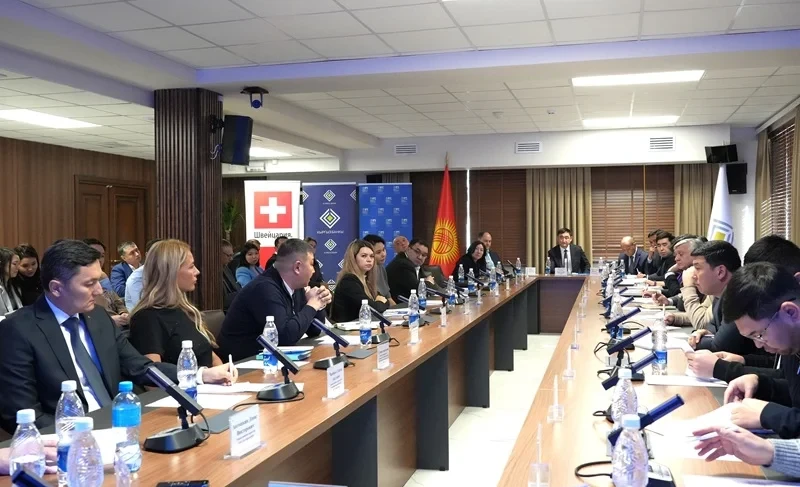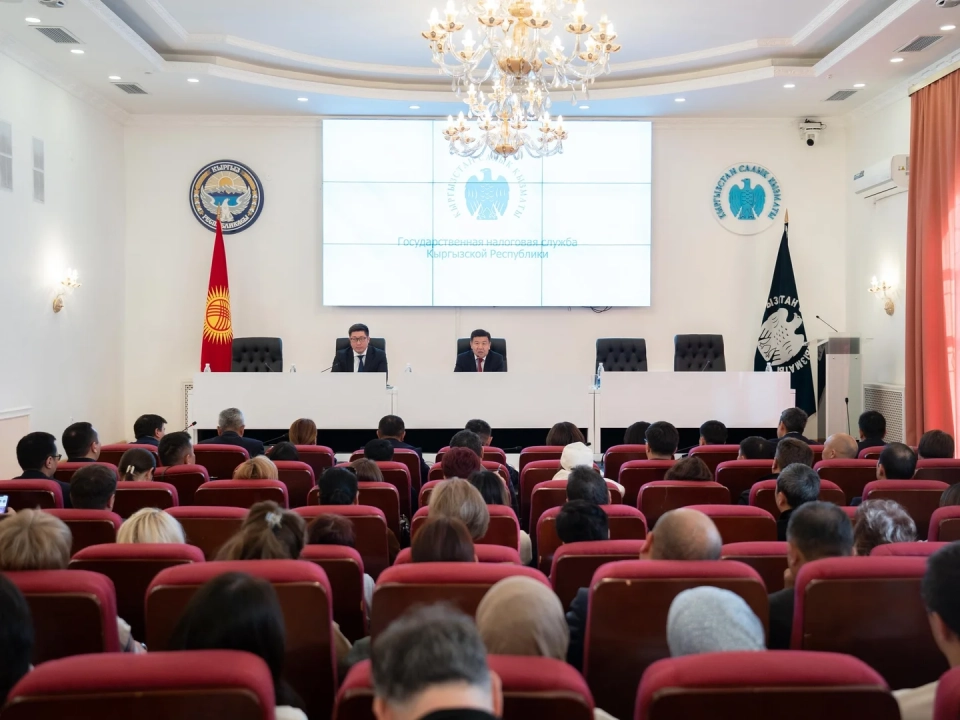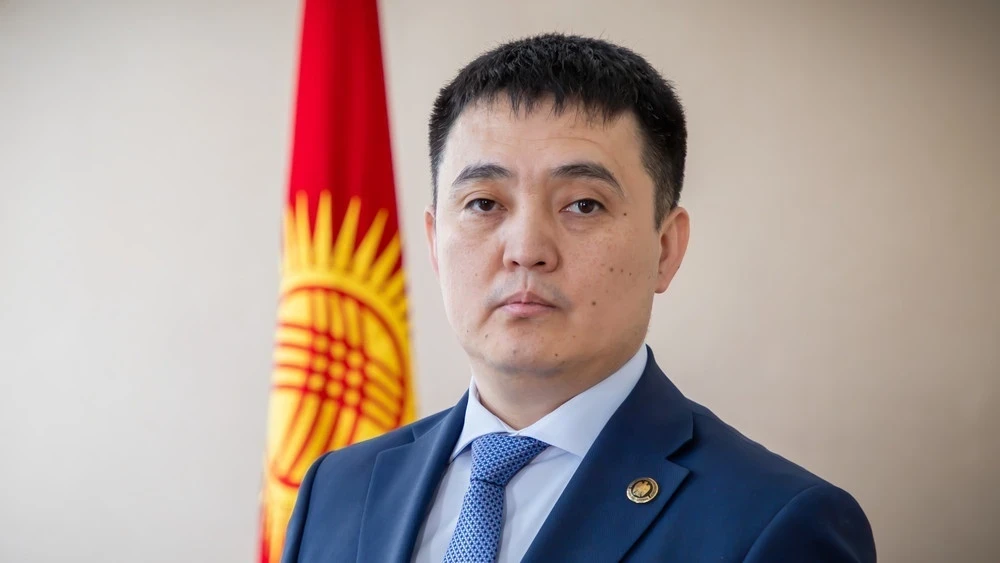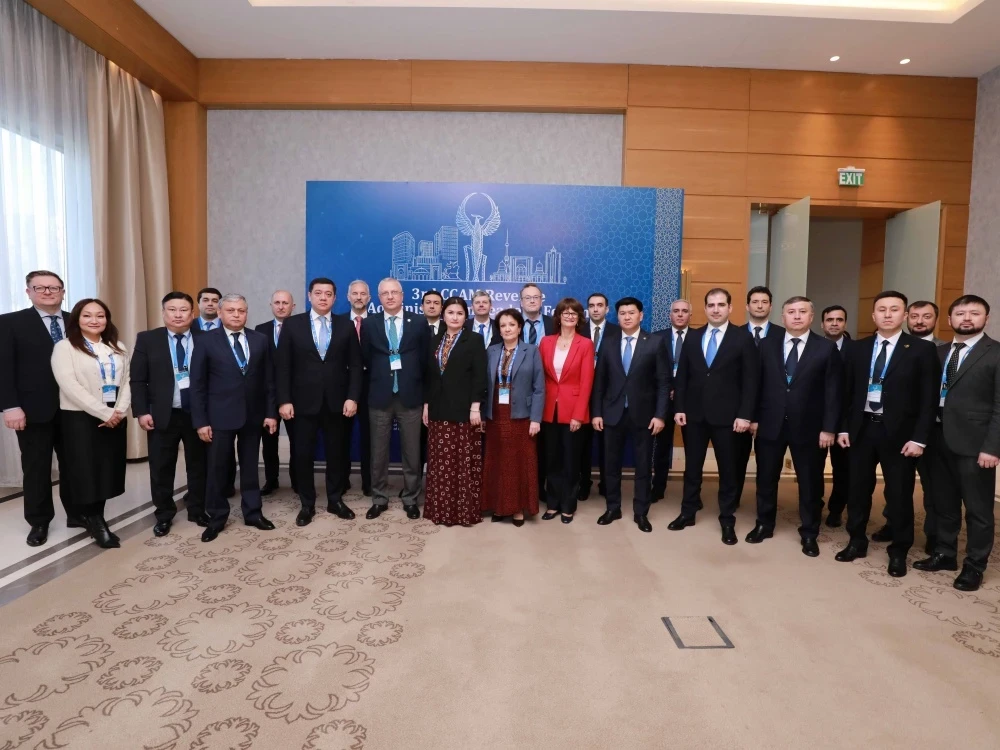
Mirlán Rakhmanov participated in the III forum, where current issues of the shadow economy, as well as global trends and regional specifics, were discussed. Forum participants examined modern methods for enhancing the efficiency of tax administration and reducing the informal sector.
As part of the event, Rakhmanov delivered a presentation detailing the digital solutions being implemented in the tax authorities of Kyrgyzstan. These measures aim to combat the shadow economy and optimize tax administration.
According to him, the State Tax Service is consistently transforming its system, moving from traditional control to modern digital approaches based on the principles of service and partnership with taxpayers.
The main direction of the reforms is the fiscalization of tax procedures and the introduction of digital tools to create a transparent and convenient taxation system.
Rakhmanov emphasized that the use of modern digital solutions allows tax authorities to effectively process large volumes of data and transition to a risk-oriented administration model, which reduces administrative pressure on honest businesses and enhances the effectiveness of tax control.
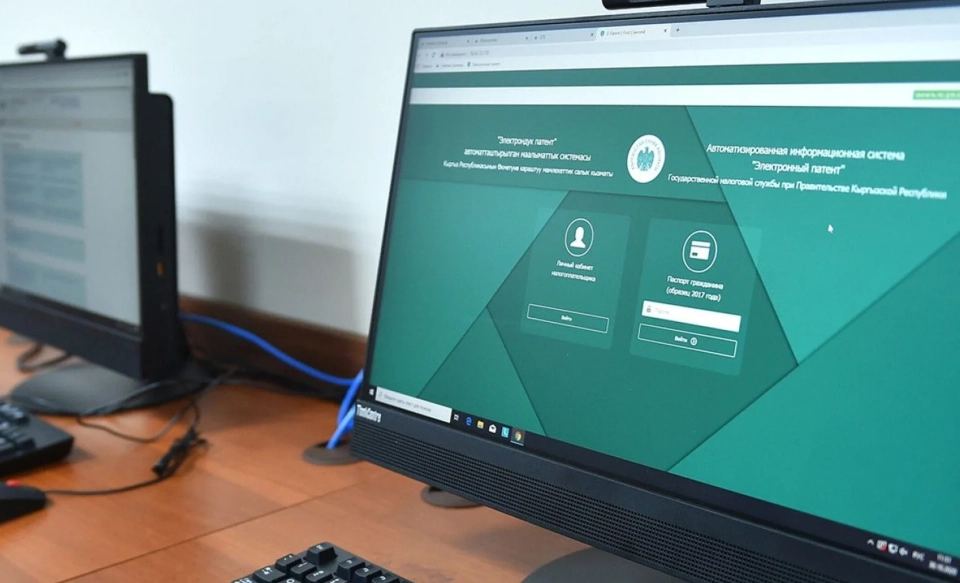
In his speech, he also noted the implementation of electronic tools such as the information systems "ESF", "VAT", "CCM", "Unified Tax Account", and "Inspector's Cabinet", as well as electronic services for taxpayers through the "Taxpayer's Cabinet". These tools help in the fight against the shadow economy and increase tax collection.
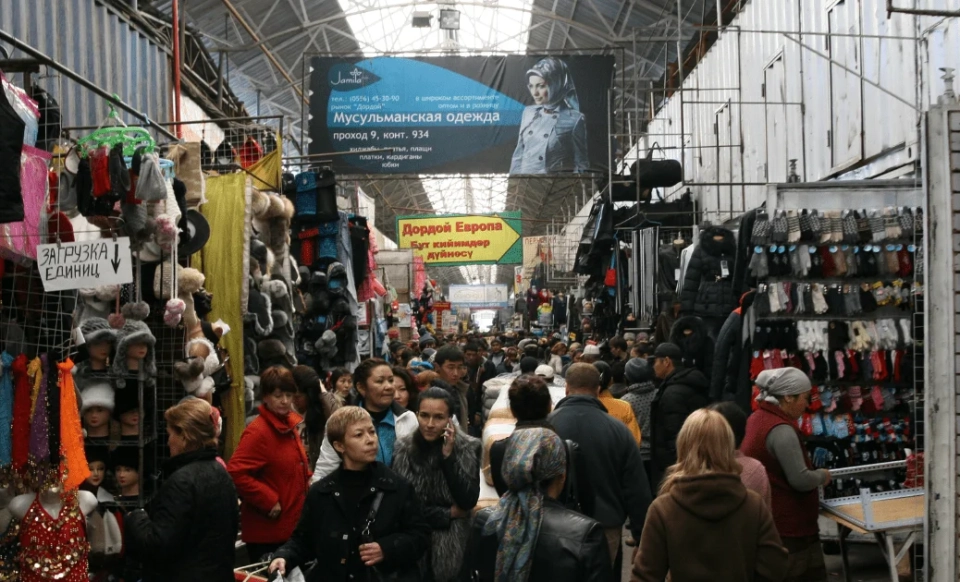
Rakhmanov paid special attention to the digitalization of market administration using the example of the "Bazar" information system. He noted that the introduction of a special tax regime and this system has increased the transparency of trading platforms, improved the accounting of entrepreneurs, and strengthened tax administration.
According to Rakhmanov, at the largest markets "Dordoy", "Kara-Suu", and "Madina", where the "Bazar" system has been implemented, an increase in tax revenues has been observed. In 2024, they rose by 62.2 percent compared to 2022, and in 2025 they reached 1 billion 84.6 million soms, which is an increase of more than 64 percent.
The forum of heads of tax authorities from the Caucasus, Central Asia, and Mongolia serves as a platform for exchanging experiences, developing joint solutions in the field of budget revenue management, and strengthening international cooperation.