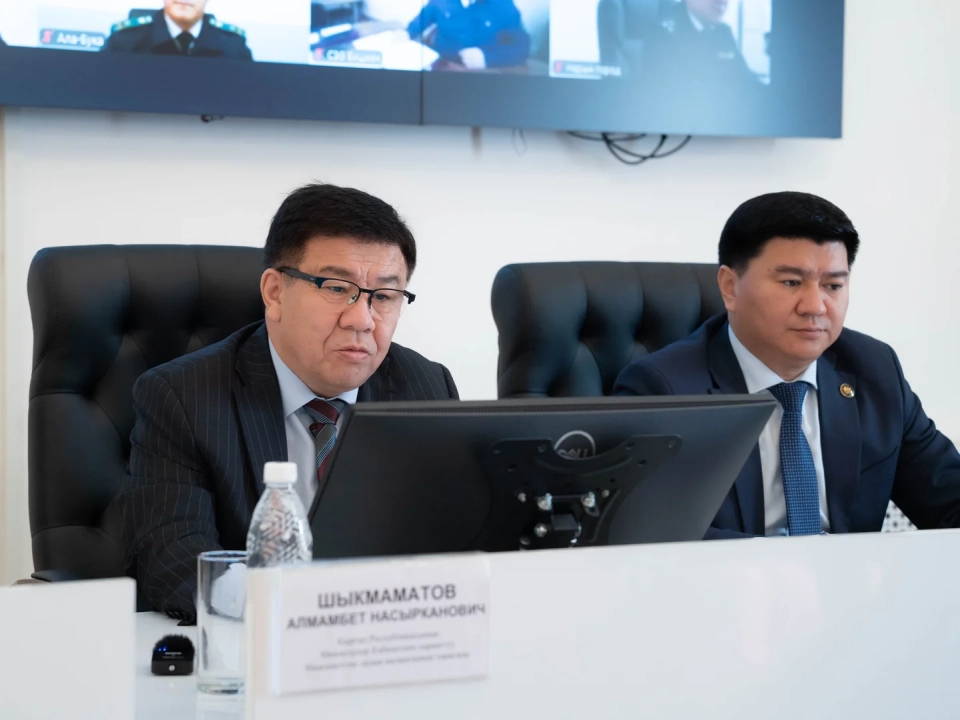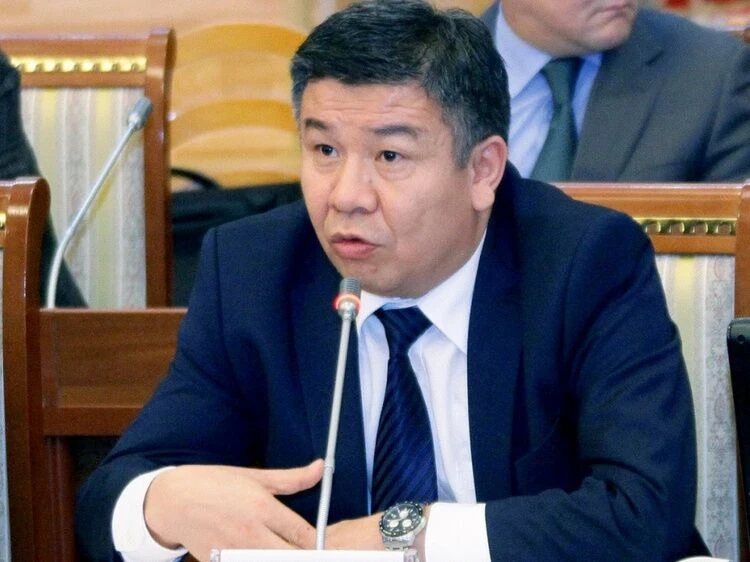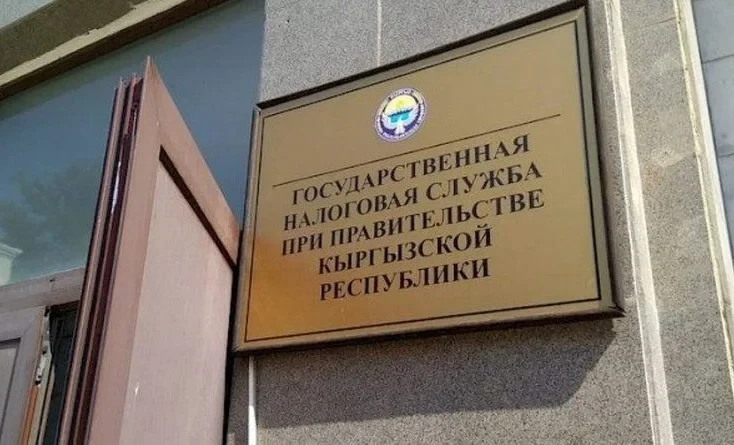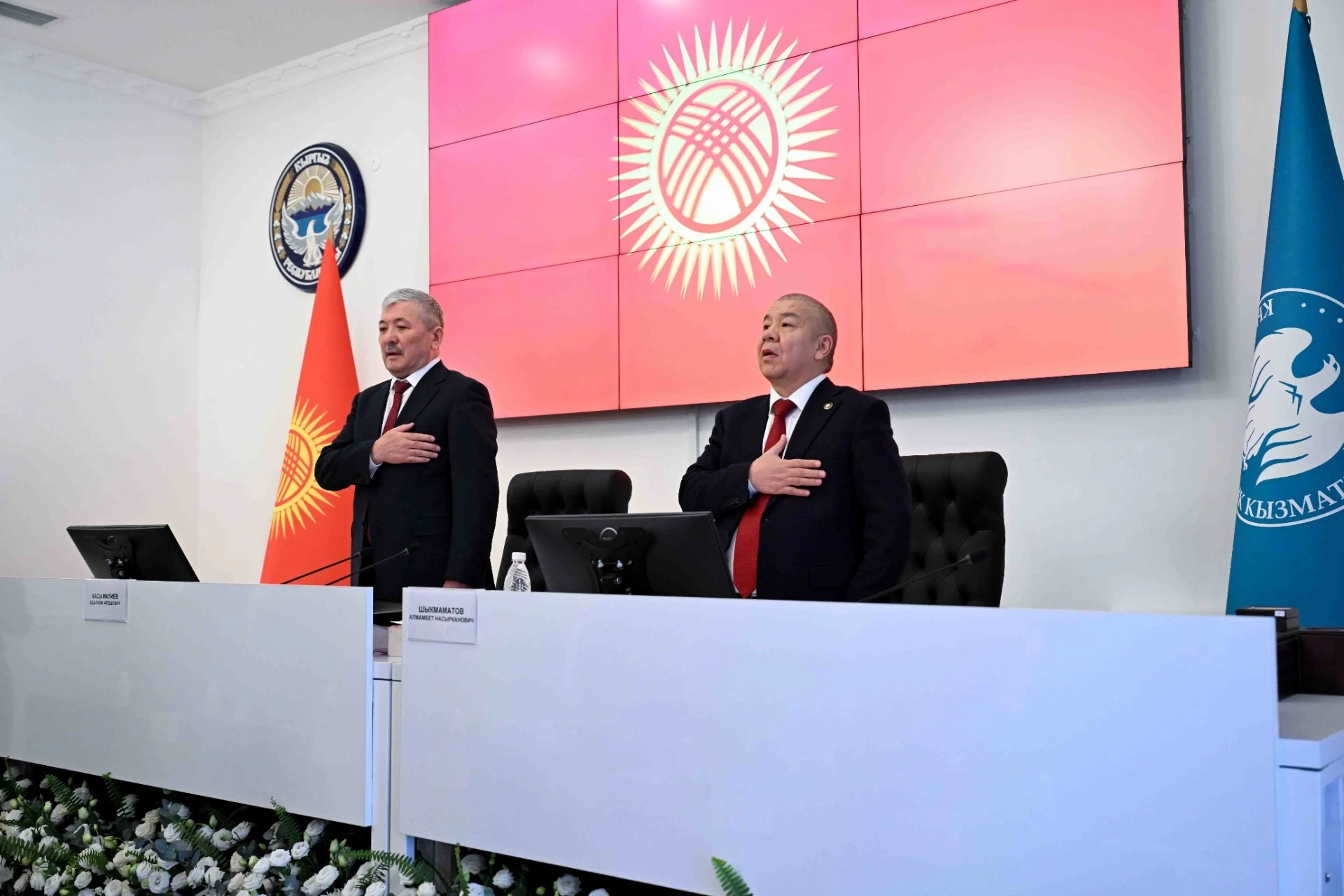
The head of the State Tax Service (STS) Almambet Shykmamatov reported that compared to the previous year, revenues increased by almost 90 billion soms, corresponding to a growth of 129.6%. Of this amount, tax revenues increased by 80.2 billion soms, while insurance contributions rose by 9.3 billion.
Shykmamatov noted that 2024 became a turning point for the STS in transitioning to a new approach in tax policy and rethinking the role of the state in the economy.
The Tax Service moved from traditional fiscal administration, based on control and pressure, to a more modern and service-oriented approach, relying on digitalization and trust.
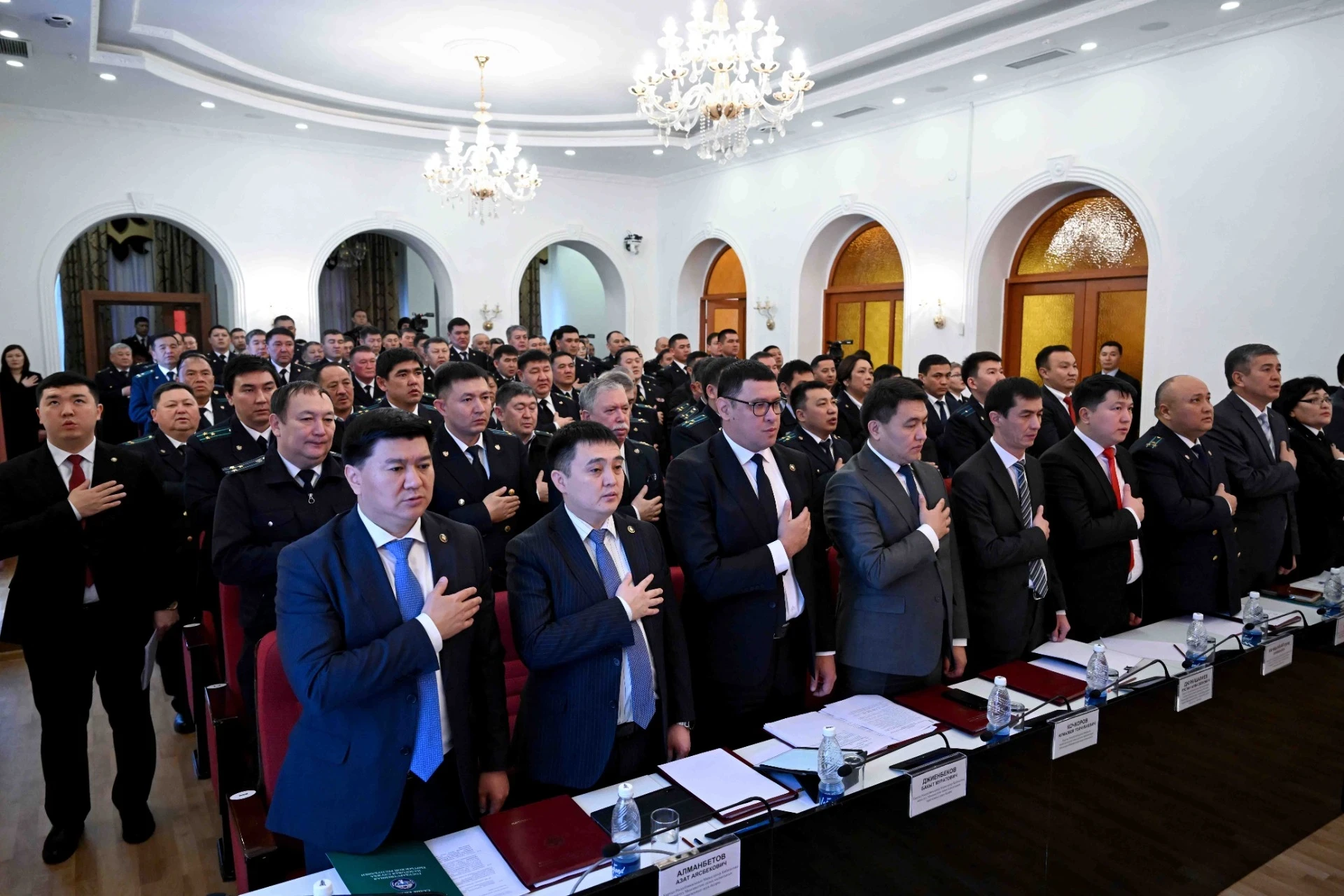
Also discussed were the results of work on the collection of taxes and insurance contributions, the revenue from excise tax on alcoholic products, and measures to combat the illegal turnover of excise goods.
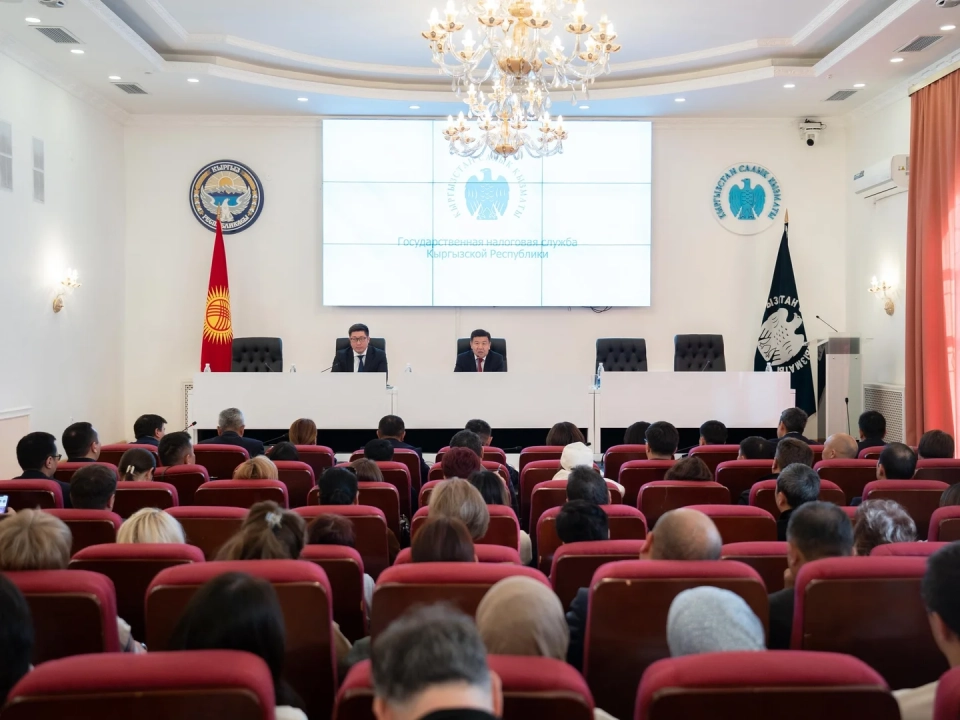
Participants of the meeting were presented with a new information system for tax analysis called "Salyk Kүzөt," aimed at optimizing tax administration and creating a transparent economy, as well as reducing tax risks and the influence of the human factor.
Kasymaliev highly appreciated the work of the STS over the past year, noting the successful achievement of planned indicators, tax reforms, and the implementation of new digital solutions that contributed to the automation of processes, reduction of administrative barriers, and improvement of access to tax services.
He emphasized that the over-fulfillment of planned indicators for tax collections in 2025 is evidence of improved tax administration and the exit of businesses from the shadow economy. It is necessary to continue working in this direction using digital technologies.
Shykmamatov added that the increase in budget revenues occurred without raising tax rates, which underscores the conscious position of the state.
In 2025, a large-scale policy was also implemented to reduce the tax burden and expand tax benefits for key sectors of the economy.
Furthermore, Shykmamatov noted that an important outcome of last year's reforms was the transformation of tax administration: the abandonment of excessive inspections and pressure on businesses, simplification of reporting, and the cancellation of a number of control measures.
Particular attention was given to digitalization and tax reform, which allowed for a reduction in corruption risks, a decrease in the shadow turnover, and an increase in tax discipline. These changes contributed to simultaneous growth in the economy and tax revenues, confirming the effectiveness of the chosen course.
In conclusion, the chairman of the STS outlined the main directions of work for 2026: enhancing staff qualifications, transitioning to risk-oriented analytics in tax administration, developing a service model, improving the efficiency of tax debt collection, and modernizing digital services.
The strategic goal is to consolidate reforms and form an open, technological, and professional tax service of a new type.