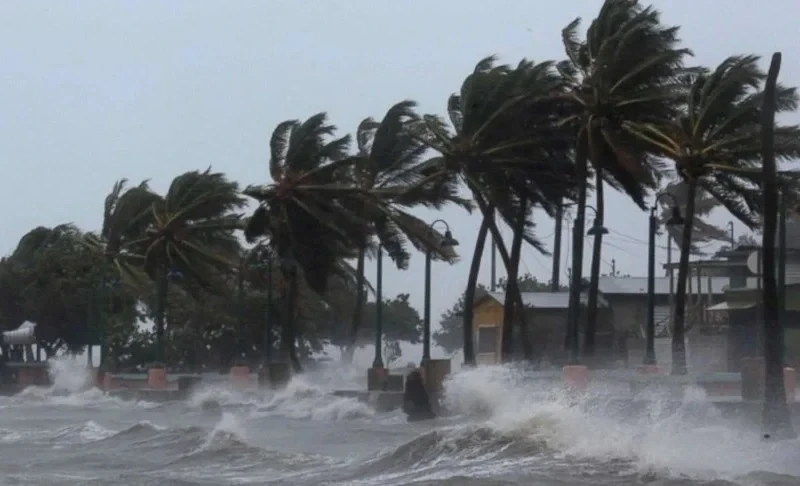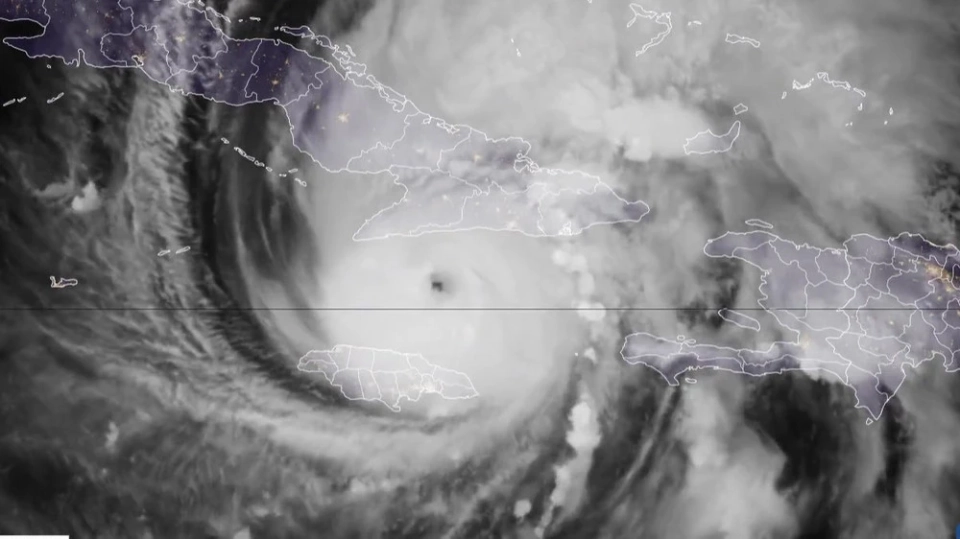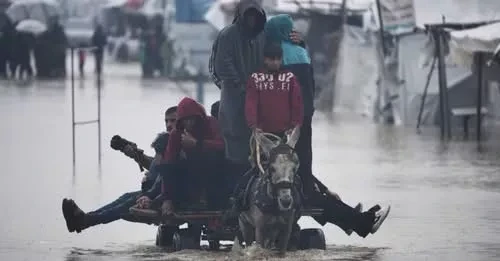
The Byron storm represents not just adverse weather conditions for 1.5 million Palestinians living in temporary shelters, as reported by Al Jazeera.
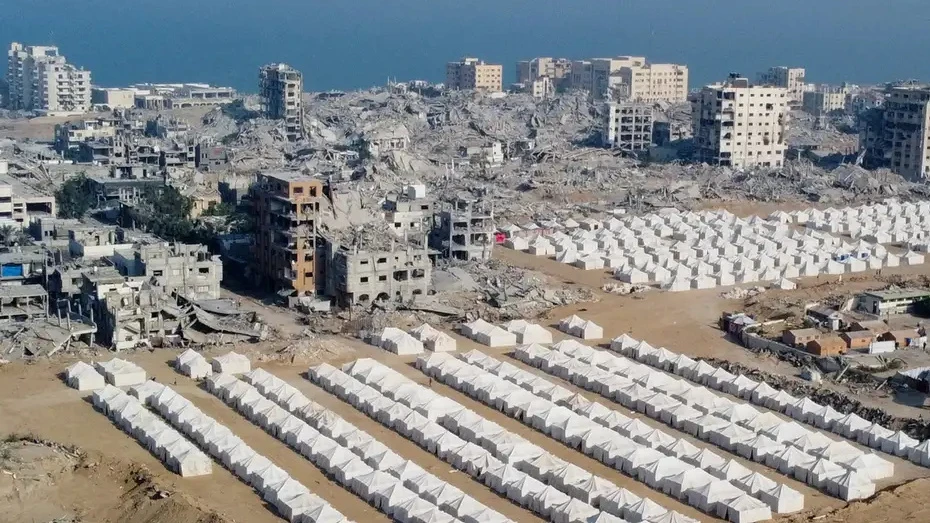
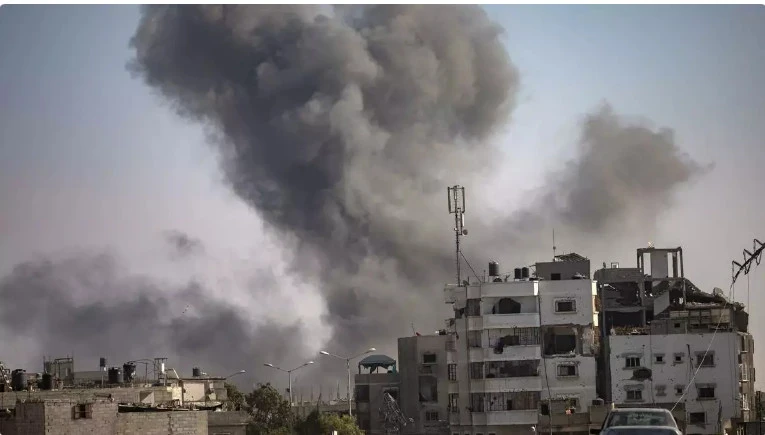
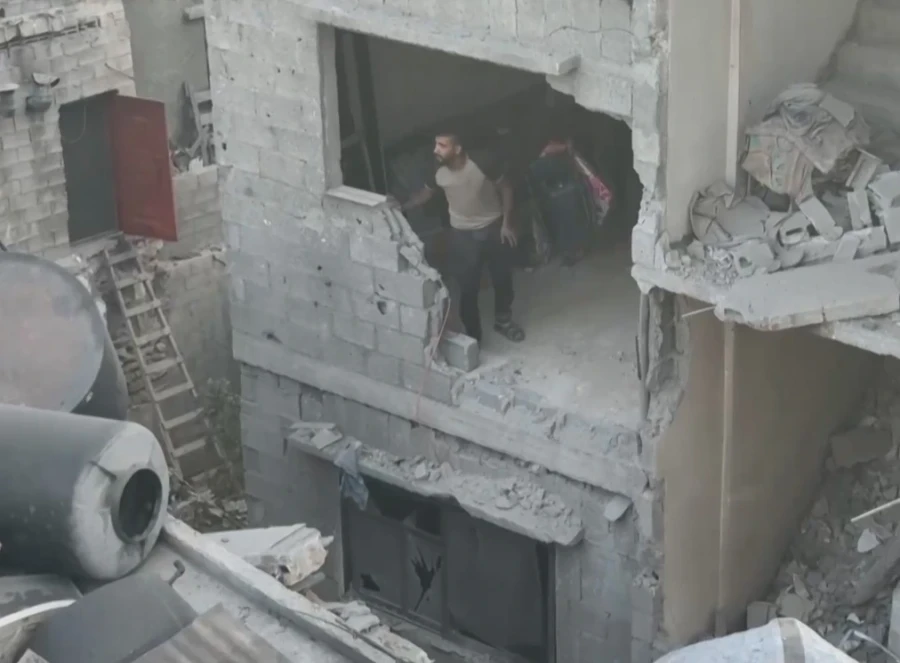
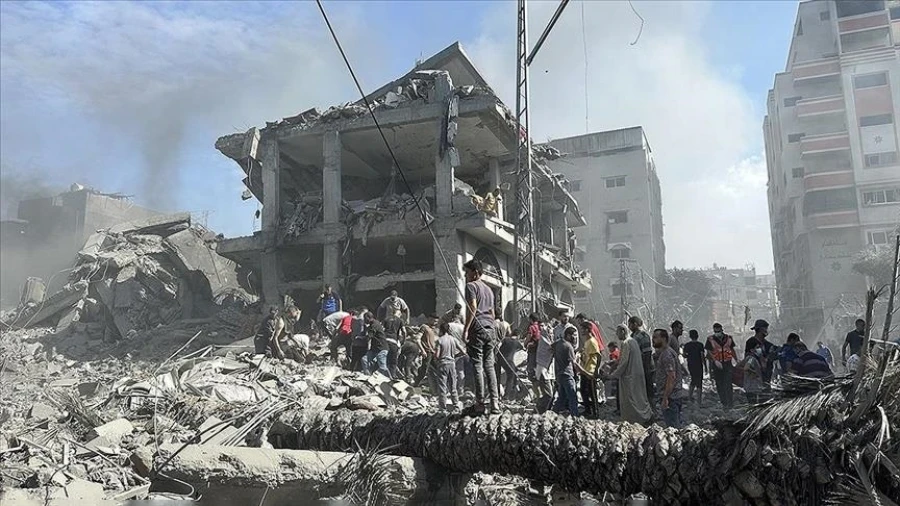
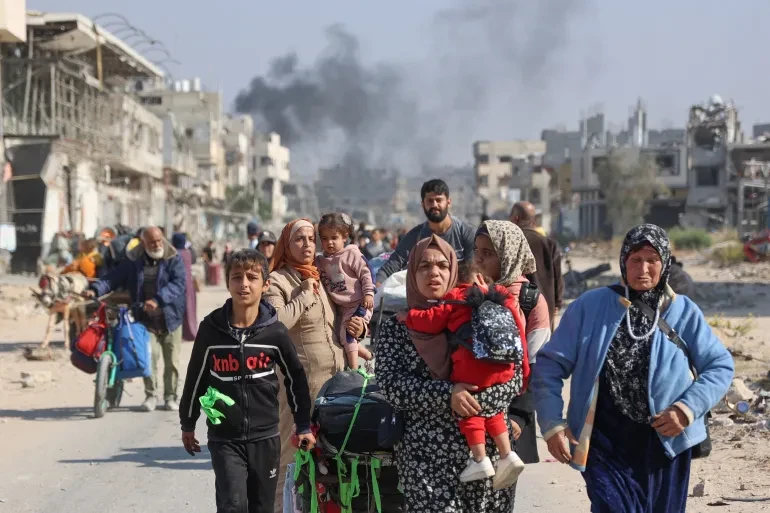
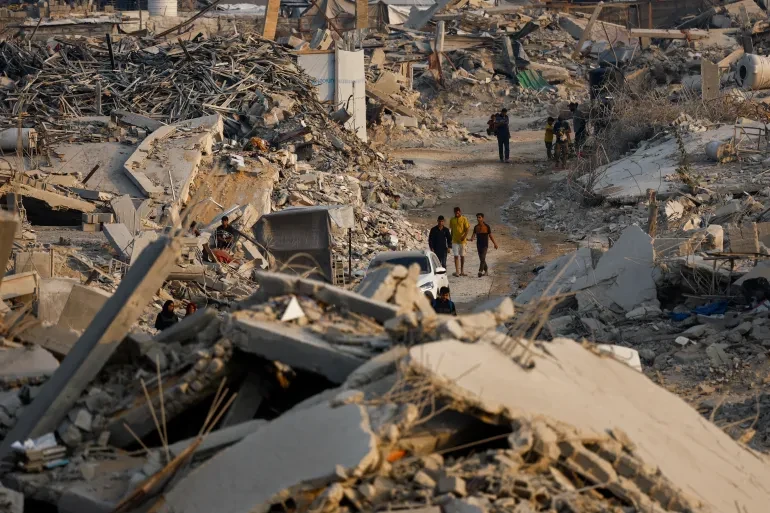
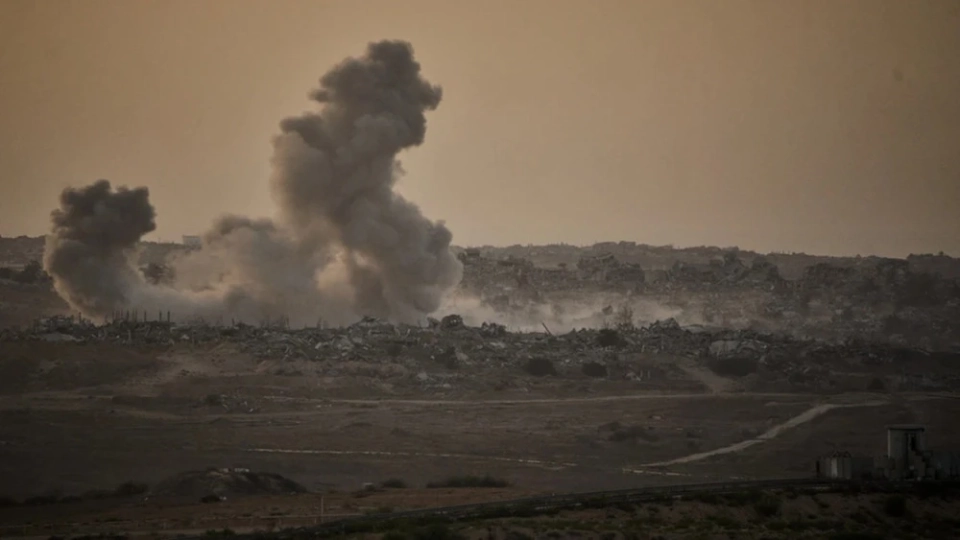
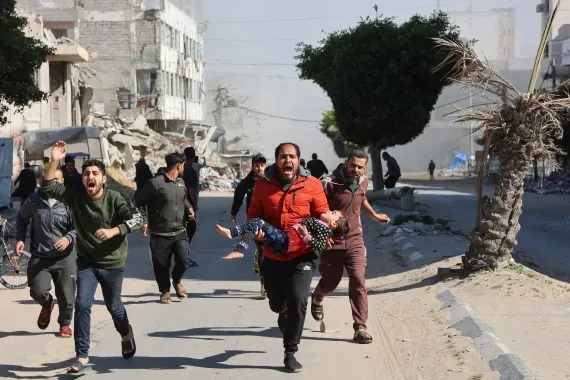
In overcrowded camps for internally displaced persons in Gaza, where makeshift tents stand among ruins and debris, fear grips people already exhausted by two years of genocidal war with Israel, marked by constant bombings and hunger.
The storm adds a new threat to the already complex struggle for survival for those sheltering under tarps and tattered plastic sheets.
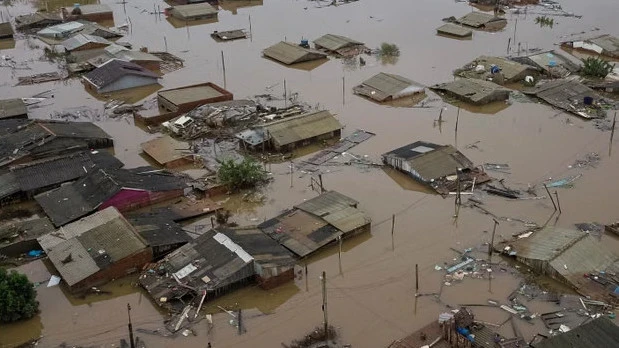
Weather forecasts warned of heavy rains and hurricane winds expected in the Gaza Strip in the coming days, which could lead to sudden flooding and significant damage. However, it is clear that there is no prepared infrastructure or reliable shelters in Gaza capable of protecting against the impending storm.
Before them are tents supported by pieces of metal, and muddy paths turning into rivers after the first rain, leaving families unprotected.
Solidarity as a Means of Survival
On the streets of the Gaza City camps, an atmosphere of hopelessness prevails. Tents made from collected tarps and plastic often sag and wobble in the wind.
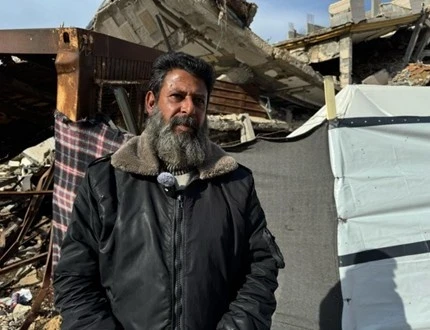
“When the wind picks up, we hold the tents so they don’t fall,” shares Hani Ziara, who took shelter in western Gaza after his home was destroyed a few months ago.
Last night, his tent was flooded, and his children were left outside in the cold. Hani agonizes over what more can be done to protect his family from the rain and wind.
Wet ground and mud clinging to shoes and blankets make movement difficult. Trenches dug for drainage quickly collapse. Families living in low-lying areas prepare for flooding, expecting the water to inundate their tents.
Food and water supplies are merely basic measures for storm preparation, but for the displaced in Gaza, this seems an unattainable luxury.
Families often receive only small portions of water, and food supplies are limited. Irregular distributions include rice and beans, but they last only a few days. It is impossible to prepare for the storm in advance by stocking up on food or fuel.
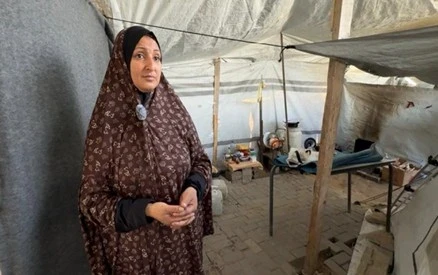
“We couldn’t sleep last night; our tent was flooded. Everything we had was washed away by the water. We want to prepare, but how?” says Mervit, a mother of five displaced near the Gaza port. “There’s barely enough food for today. We can’t save what we don’t have,” she adds.
Despite the hardships, the residents of Gaza find support in each other. Neighbors help reinforce tents, and youth gather debris to create temporary supports. Women organize communal cooking to feed those in need, especially families with small children or the elderly.
As the storm approaches, these informal networks spring into action. Volunteers help raise sleeping areas, patch holes in tents, and dig drainage channels. People try to move those in dangerous conditions, sharing information about safer places.
“We Are at Our Limit”
In addition to the physical threat, psychological pressure is becoming increasingly palpable. After months of suffering and loss, the new crisis caused by natural disasters feels insurmountable.
“Our tents are destroyed. We are at our limit,” says Wissam Nasser. “We have no more strength. Each day brings a new fear: hunger, cold, illness, and now a storm.”
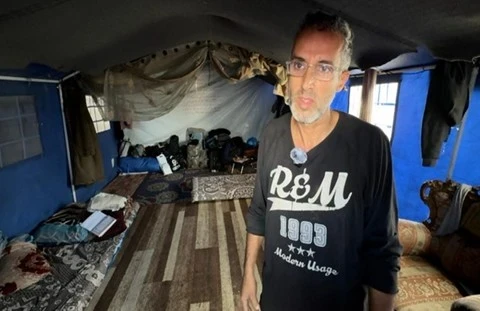
Many here feel trapped between heaven and earth, remaining defenseless in the face of threats.
As the storm approaches, families try to reinforce their tents by attaching stones and sandbags for wind protection. Some move blankets to the driest spots, hoping for the roof's sturdiness. Most have no plan; they are simply waiting.
For the internally displaced in Gaza, this storm will not be just another temporary disaster but another brutal reminder of the fragility of their lives and that survival depends not on preparation but on resilience.
They wait because they have no other choice. They use everything they have and pray that the wind will be merciful this time.