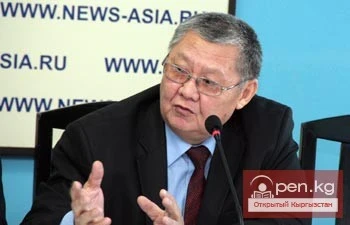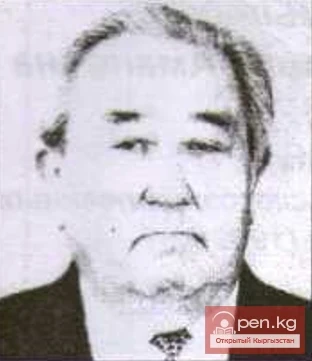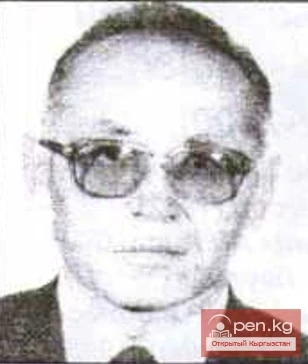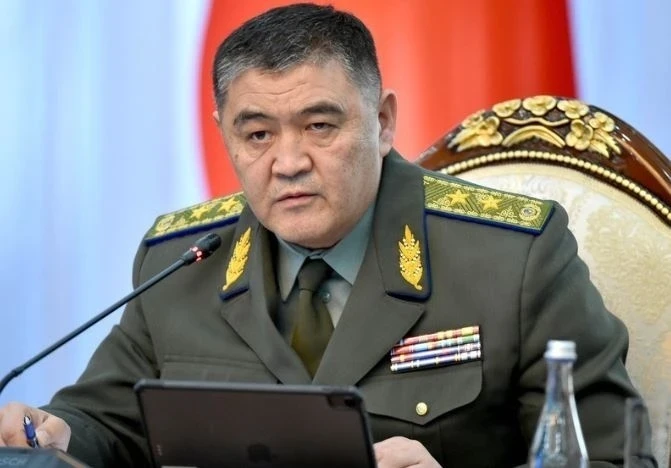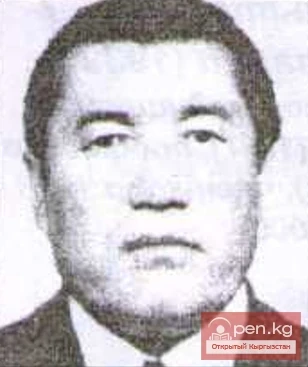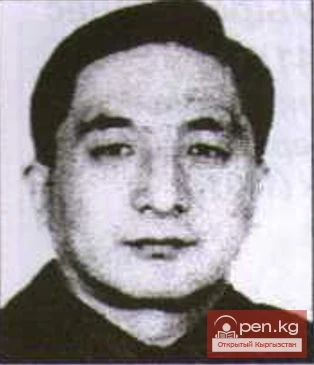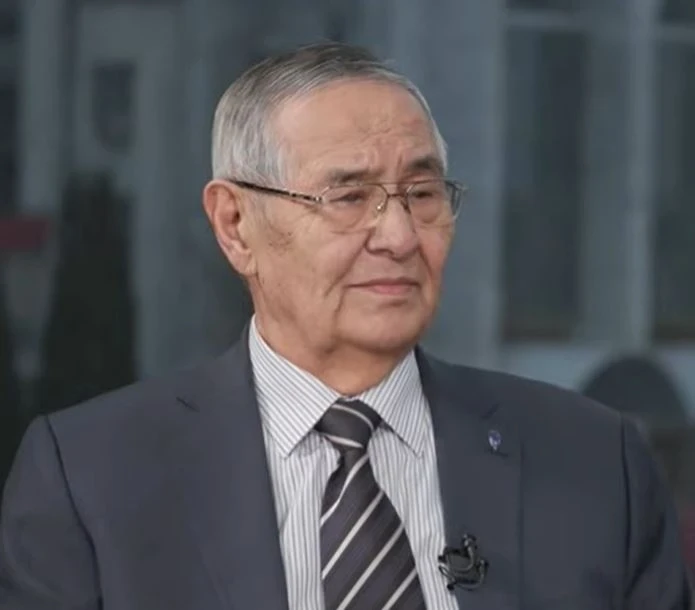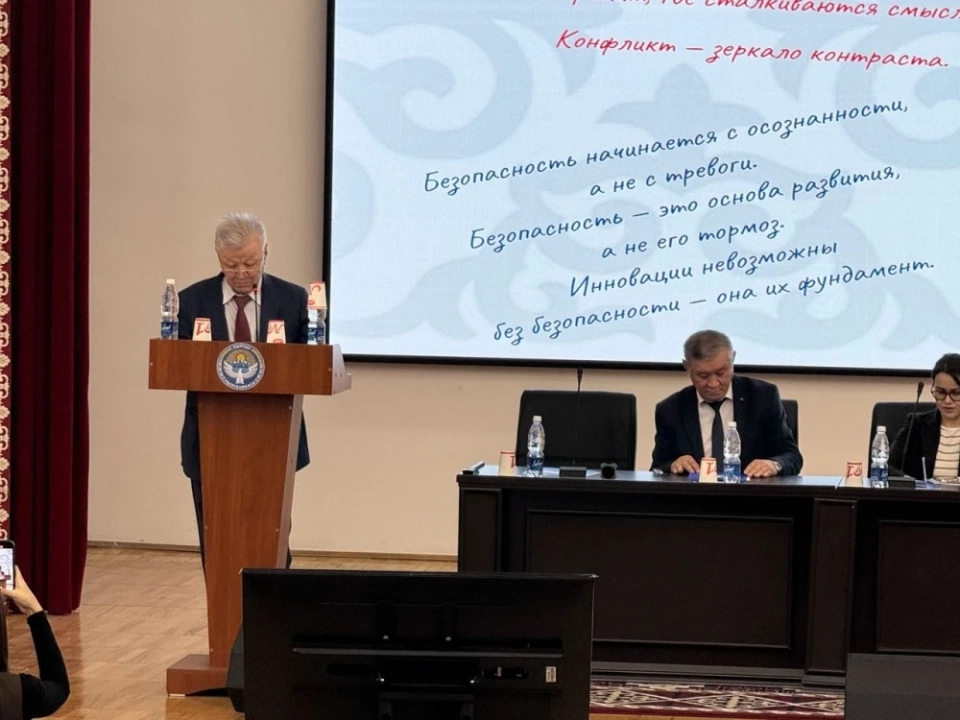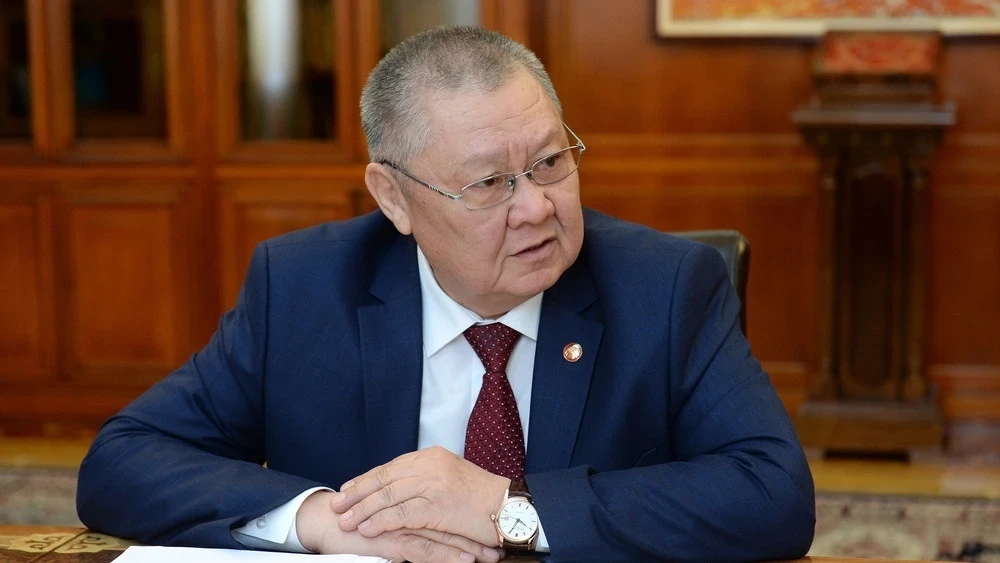
Tokon Mamytov, who previously held the position of Deputy Head of the State Committee for National Security and Chairman of the Border Service of Kyrgyzstan, stated in an interview with NOMAD TV that the events in Batken in 1999-2000 were the result of deeper processes related to the collapse of the Soviet Union, the loss of ideology, and the unpreparedness of borders for new conditions.
He emphasized that the security threat in the south of the country was forming long before these events. The events in Namangan became precursors, after which radical groups were pushed out and concentrated in border areas, including Tavildar. The ideological vacuum that emerged after the collapse of the USSR proved to be fertile ground for extremist and terrorist organizations that used religious motives.
Discussing the actions of the special services during that period, Mamytov noted that information about potential threats came from both internal sources and international partners. However, the level of interaction and data exchange between the intelligence services of neighboring countries remained insufficient. This led to the data often being fragmented and requiring additional verification, complicating the decision-making process.
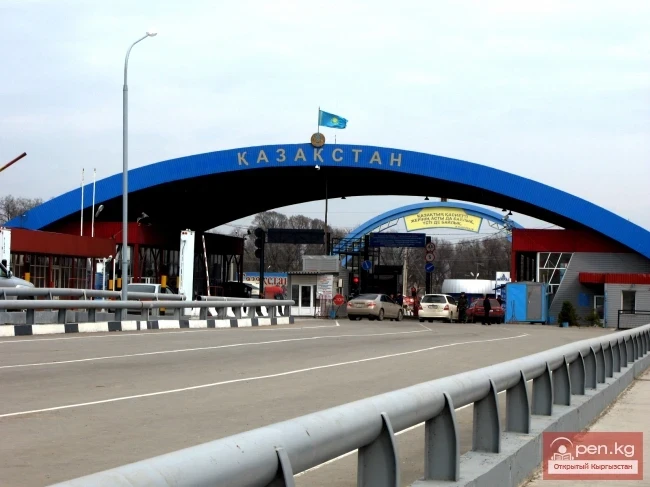
In his opinion, transforming borders into internationally recognized state boundaries is a long and complex process that requires coordination between the parties. Mamytov also noted that international law prohibits unilateral border establishment, which explains the protracted negotiations between states.
“In situations where the border is not agreed upon, according to international law, it can only be determined by a bilateral agreement. No organization, including the UN, OSCE, or CSTO, has the right to interfere in this process. If two states cannot reach an agreement, sometimes a third-party arbitrator is involved, but this can also be extremely complicated and damage the prestige of the country. That is why it is important that the current government of Kyrgyzstan has managed to successfully resolve border issues with Uzbekistan and Tajikistan without resorting to international organizations,” he explained.
When asked if James Bond is his hero, Mamytov replied: “No. In our field, we are taught that shooting and chases are not a source of pride, but rather a sign of failure. We can exit the game if the situation requires it. Therefore, for professionals working in special services, Bond is not a hero, although for children and civilians, he certainly represents an entertaining image.”