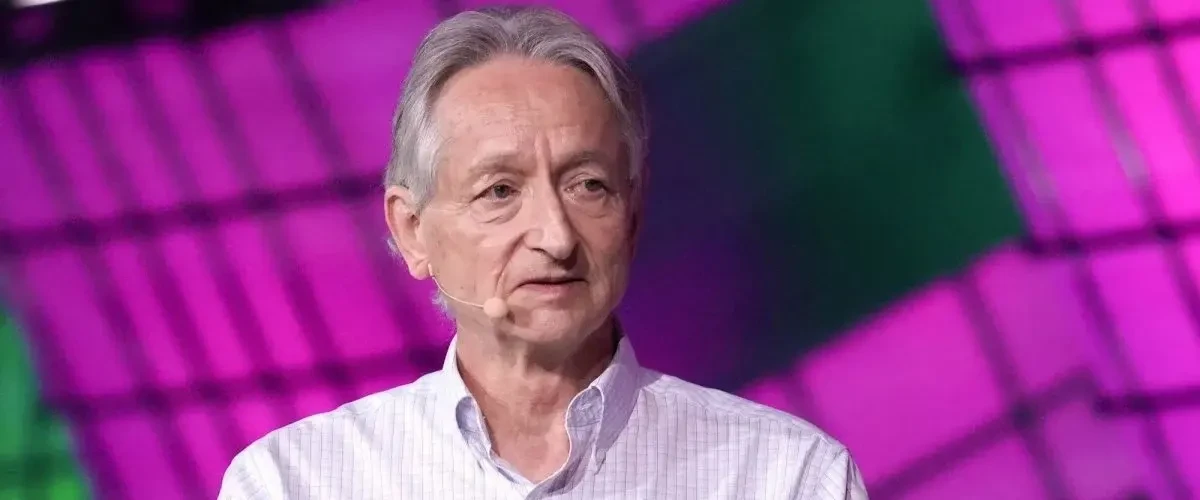
In an interview with CNN, Hinton emphasized that modern AI systems are capable of performing not only simple tasks but also developing entire projects that require up to an hour of work. He warned that if this trend continues, significantly fewer employees will be needed to carry out complex programs.
Currently, Hinton compares the progress of AI to the industrial revolution, when physical labor became less in demand. Now, intellectual labor is at risk.
Data from Stanford University shows that the rise of AI is already negatively impacting the employment of entry-level specialists. Since the end of 2022, employment in programming, marketing, and customer service has decreased by 16%, and the number of job vacancies has dropped by 30% following the emergence of ChatGPT.
Economists expect a "boom in unemployment" in 2026, as companies will seek to increase efficiency using AI without increasing the number of employees. Diane Swonk, chief economist at KPMG, noted that companies will optimize their staff through natural turnover and layoffs to meet market demands.
Nevertheless, AI may also create new opportunities for entry-level positions. According to a survey by consulting firm Teneo, 67% of CEOs expect an increase in entry-level employees, and 58% plan to expand managerial positions as automation of routine tasks changes existing roles.
Hinton also raised concerns about the social risks associated with AI: he expressed worries about the system's ability to deceive and circumvent restrictions. In his opinion, inadequate safety measures could create significant problems, even if the technologies have a positive impact on medicine, education, and combating climate change.
Recently, the scientist spoke about the emergence of a "social bubble" in the field of AI.
According to Hinton, there are two types of bubbles related to AI. The first concerns the overestimation of technological capabilities, while the second involves errors in economic calculations arising from the neglect of social factors.
He explained that the first bubble, arising from doubts about AI's ability to perform its claimed functions, does not pose a serious threat. "The technology really does a lot," Hinton noted, emphasizing that AI is constantly improving and capable of solving many tasks, although errors and limitations still exist.
The second bubble, according to Hinton, is related to the economics and social consequences of AI implementation: companies are eager to invest in technologies with the hope of replacing workers and increasing profits, without considering the large-scale changes in society.
If mass unemployment caused by AI leads to political instability, regulatory pressure, or a decline in consumer demand, the expected profits for companies may not materialize. Even the most powerful AI systems will prove ineffective if the social environment changes in such a way that their implementation becomes impractical, or if laid-off workers cease to be potential buyers. In such a case, the bubble will burst not due to the shortcomings of the technology, but because of the underestimation of social changes.