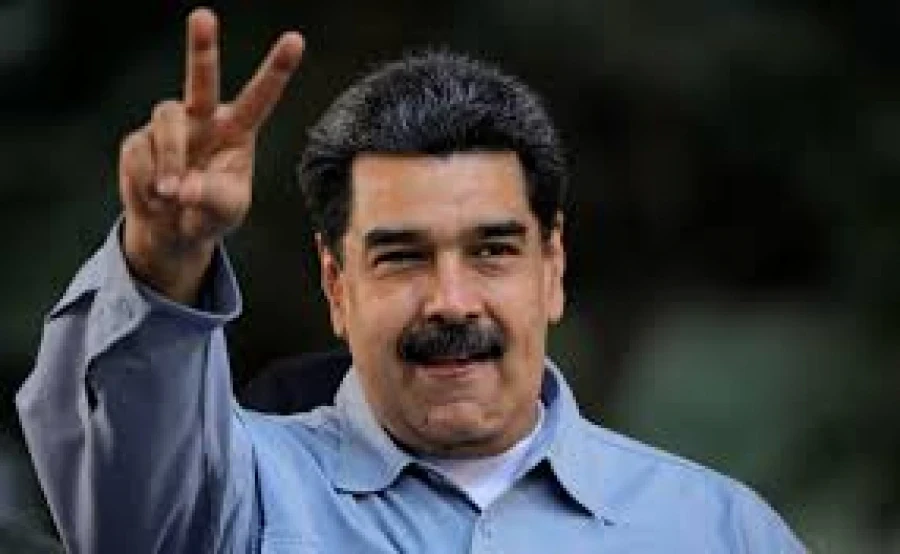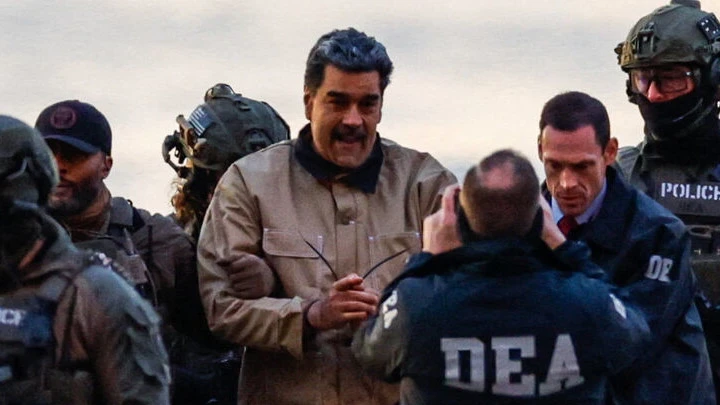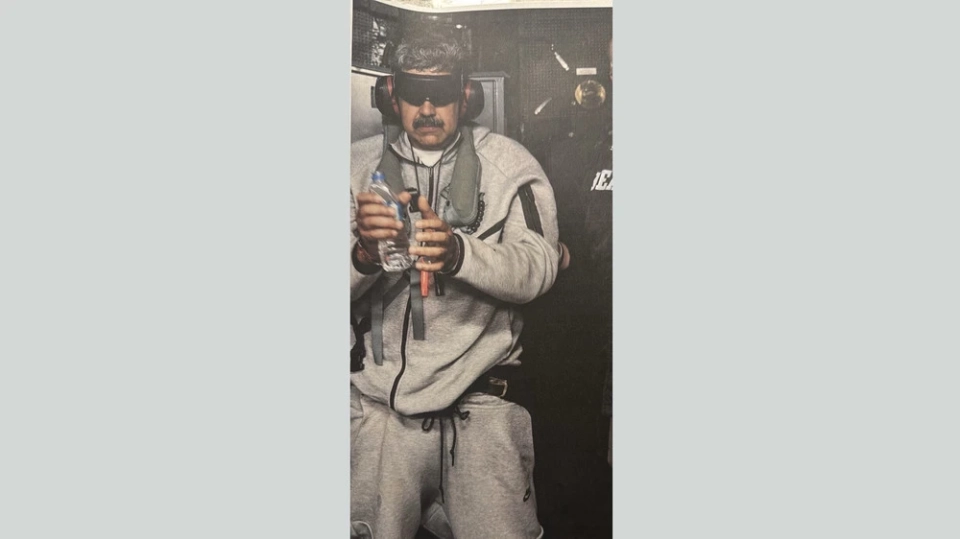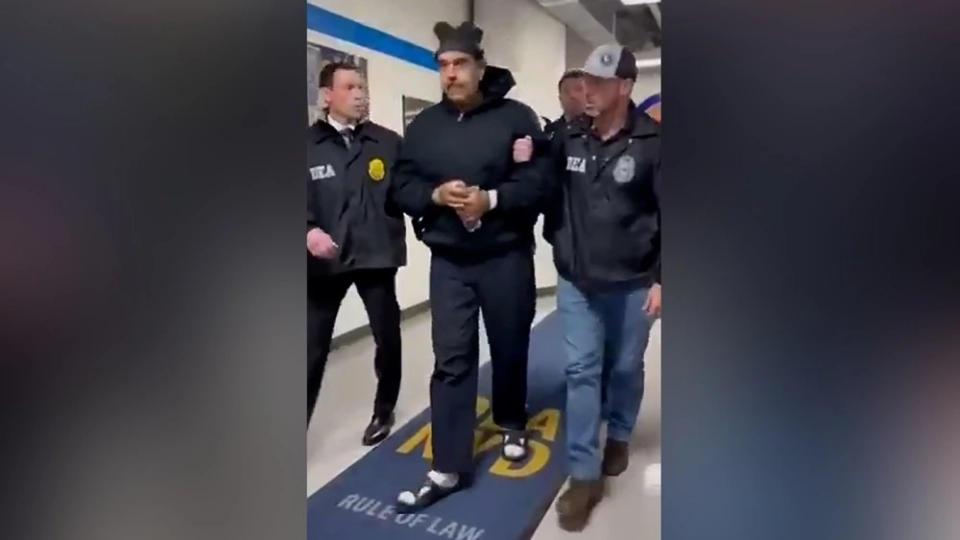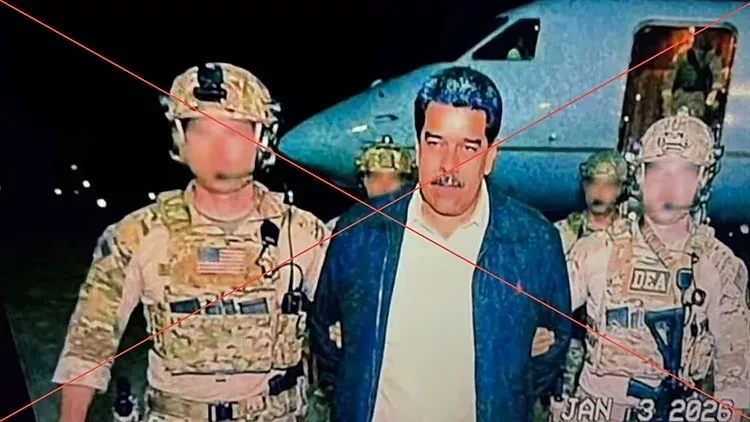
After the capture of Maduro, social media began to actively publish images created by artificial intelligence. The fact-checking team at Euronews, known as The Cube, discovered examples of such fakes that were spread in Spanish, Italian, French, and Polish.
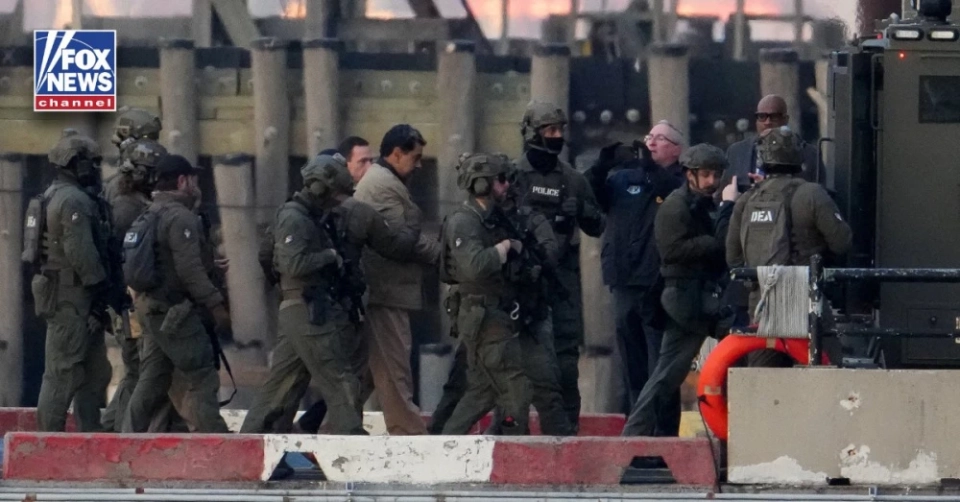
On January 3, American special forces conducted an operation during which they captured Nicolás Maduro and his wife. Maduro was accused of drug trafficking, but he did not admit his guilt.
Among the fakes that quickly filled social media were images of Maduro leaving an airplane, which were shared by the official accounts of the Portuguese right-wing party Chega and its leader André Ventura. These photos were also presented as real by several news outlets.
Fact-checking specialists used Gemini's SynthID tool and found watermarks on the image confirming that it was created or edited by AI.
This photo went viral, gathering millions of views on social media, including over 2.6 million on a Spanish-language post on X.
Analyst Tal Hegin noted that with the growth of AI technologies, it is becoming increasingly difficult to identify forgeries. After Maduro's capture, there was almost no information, and many users began to publish generated images depicting Maduro in custody.
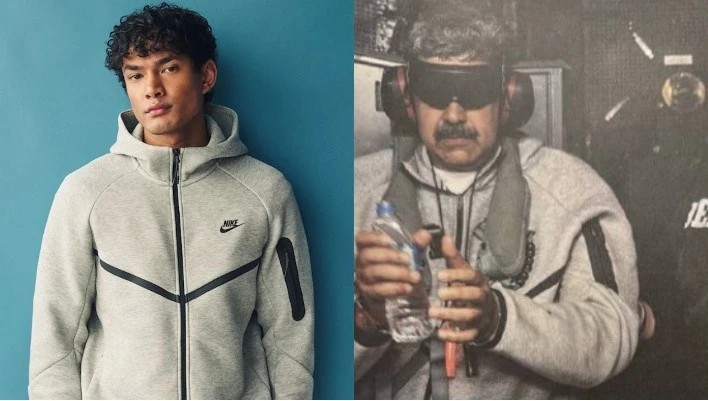
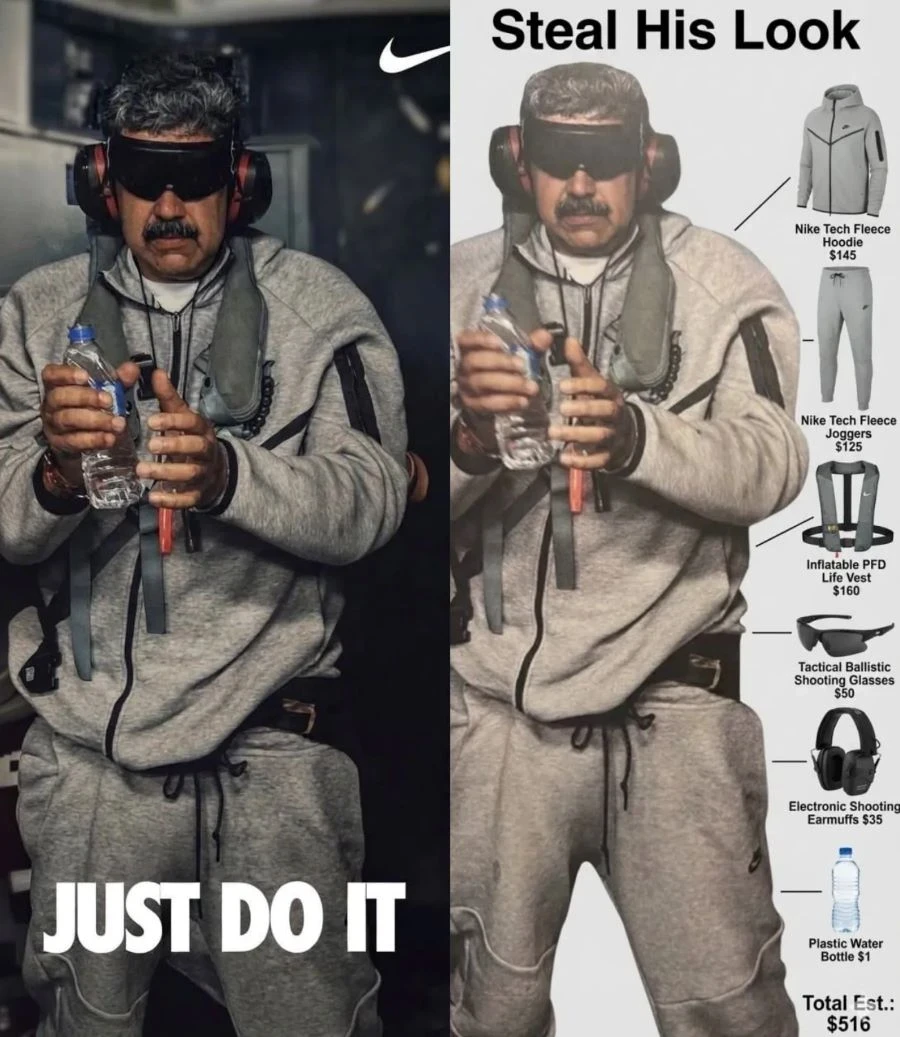
Another fake image, showing Maduro in a military plane, also garnered over 4.6 million views.
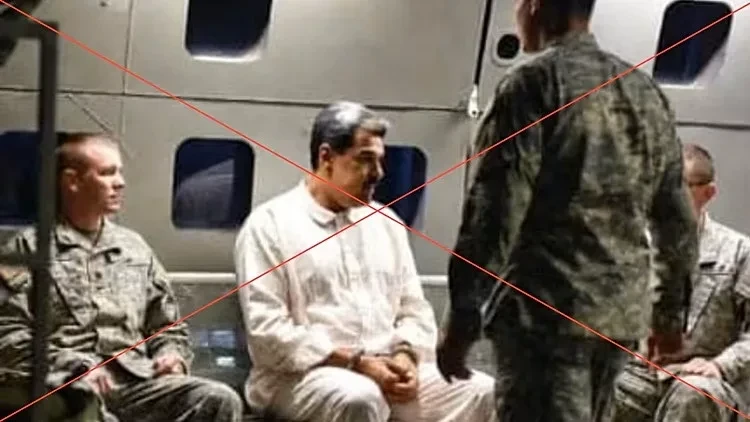
Newsguard, a platform that verifies information, reported clear signs of AI processing on the image, which also does not correspond to the facts, as Maduro was airlifted out of the country by helicopter.
Shortly after the false images of Maduro's arrest appeared, videos of cheering Venezuelans began to circulate on social media.
Some of these videos gathered over 5.6 million views, but also contained signs of AI processing, such as unnatural movements of people and changes in skin tone.
According to reports from Venezuela, the real mood of the population is ambiguous: some rejoice at Maduro's overthrow, while others condemn U.S. intervention.
Videos edited from old footage surfaced online, one of which gathered over a million views on platform X. The caption claims it shows "Caracas today," demonstrating crowds supporting Maduro, although in reality, it features footage from a march he participated in November 2025.
In another widely circulated video that became popular in the French-speaking part of X, a man on a balcony films the crowd and captions it: "I have rarely seen such a happy people as the Venezuelans, who have finally rid themselves of Maduro thanks to American intervention." Fireworks can be seen in the background.
Was there a strike?
In addition to misleading images, fakes spread about the U.S. allegedly striking the mausoleum of Hugo Chávez; this information was circulated, among others, by Colombian President Gustavo Petro.
One of the images claims that the mausoleum was bombed.
[media=https://twitter.com/talhagin/status/2008182438992789759?ref_src=twsrc%5Etfw]
[media=https://twitter.com/Mrgunsngear/status/2007932768433455491?ref_src=twsrc%5Etfw]
However, as Hegin noted, the photograph depicting the mausoleum was clearly fabricated and based on a real photo from 2013, to which elements of destruction were added.
The Hugo Chávez Foundation released a video on Instagram showing the mausoleum looking intact.