It seems that Cuba, an island located in close proximity to Florida, is becoming the next object of interest for the United States after Venezuela. For decades, Cuba has successfully resisted Washington's influence; however, today it faces extremely challenging conditions. The publication vz.ru raises the question of whether the country can withstand the current situation.
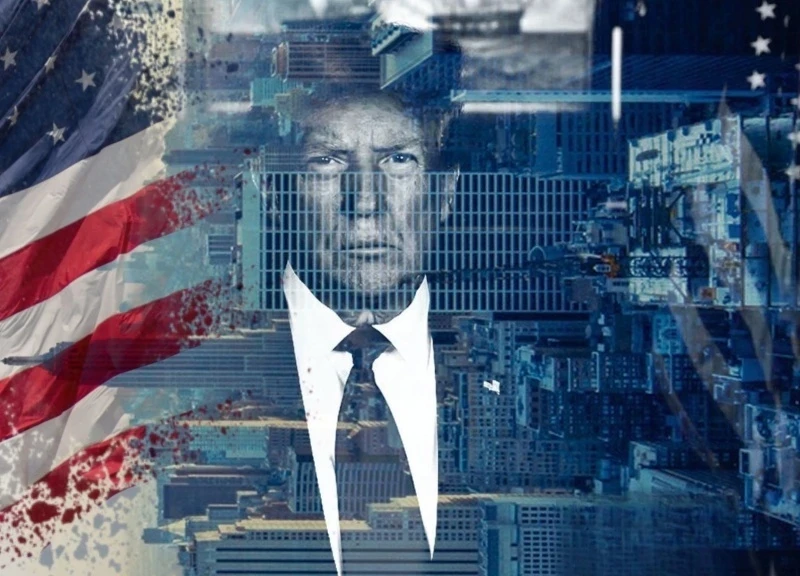
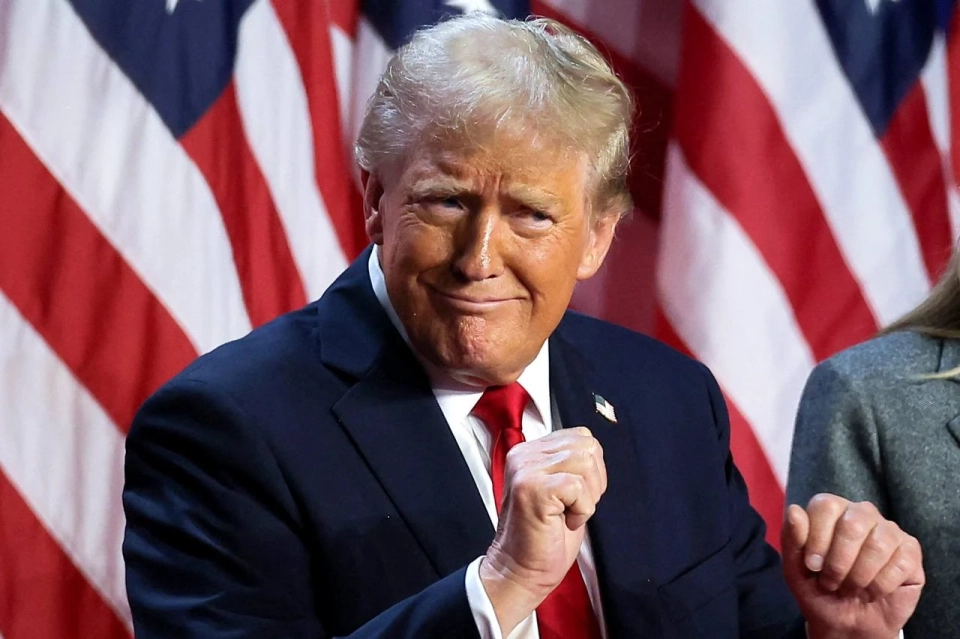
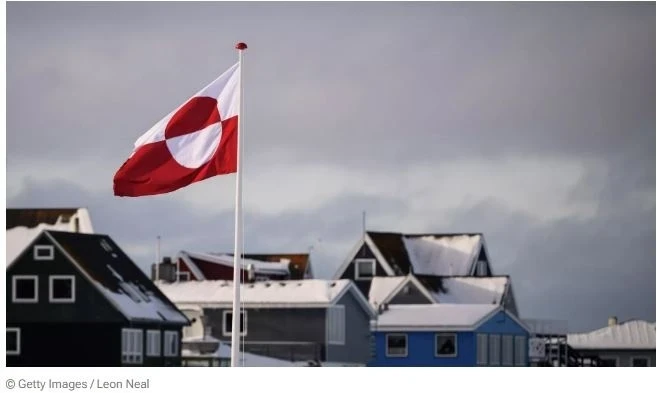
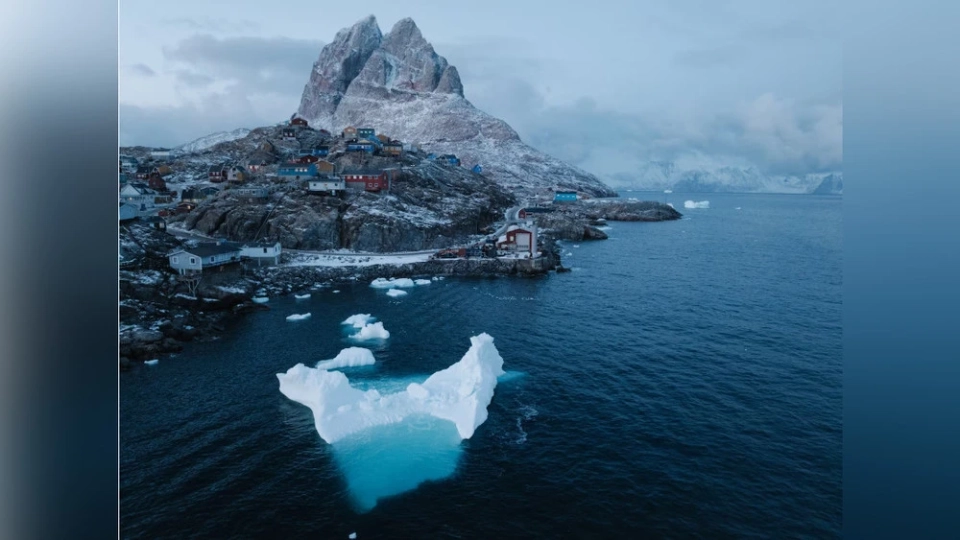
Globally, discussions are underway about which country will become the next victim of Donald Trump's ambitious policies. Some suggest it could be Iran, where protests are raging, while others point to Mexico, which Washington sees as a threat due to the activities of drug cartels. There are also opinions that Trump might attempt to make Greenland a part of the United States.
Nevertheless, the attention of American media and politicians is increasingly turning to Cuba—a socialist state governed from an anti-American stance for over half a century. "Cuba has strategic significance in the Caribbean region, serving as an important hub for trade routes and resembling an unsinkable aircraft carrier," notes Andrei Pyatakov, a leading researcher at the Institute of Latin America of the Russian Academy of Sciences. In the past, the placement of Soviet missiles in Cuba was perceived as an immediate threat to U.S. national security, and the deployment of Chinese troops on the island could provoke similar concerns now.
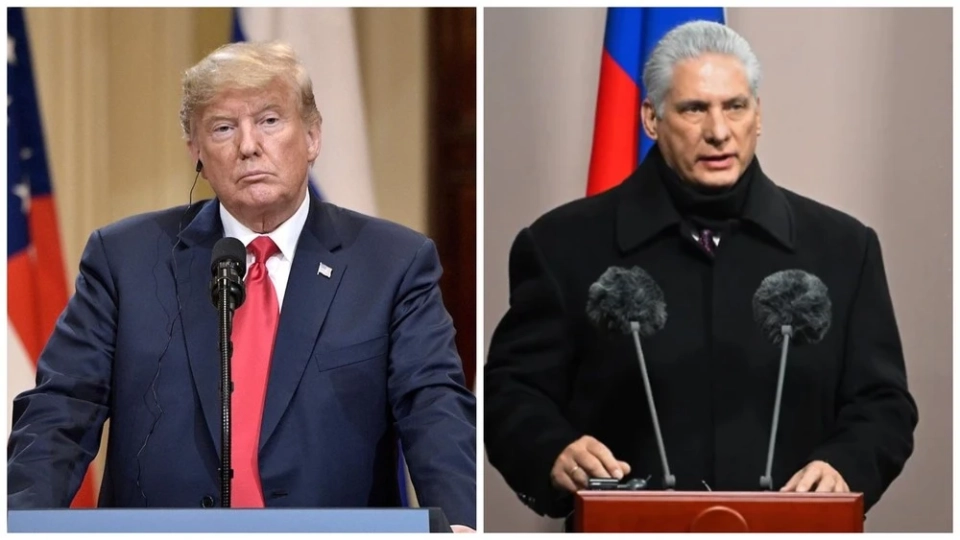
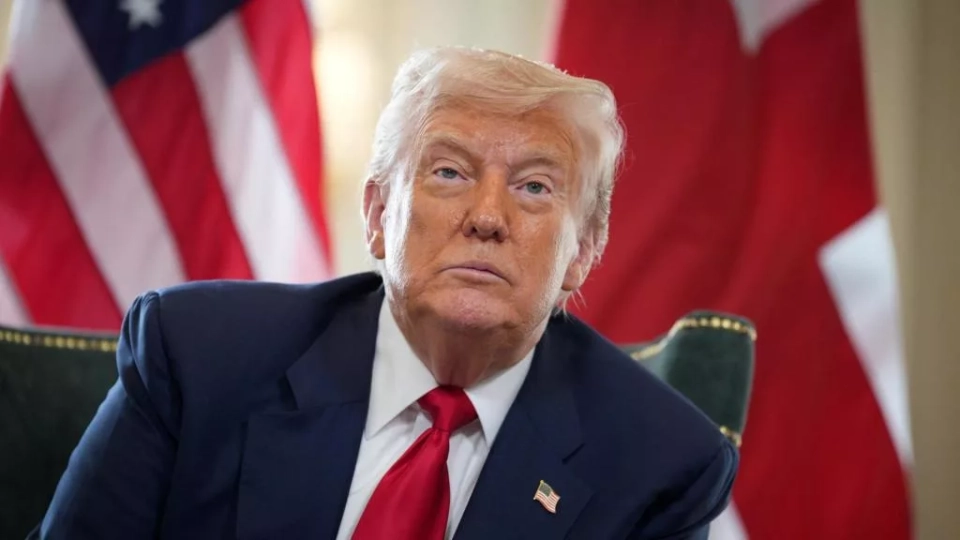
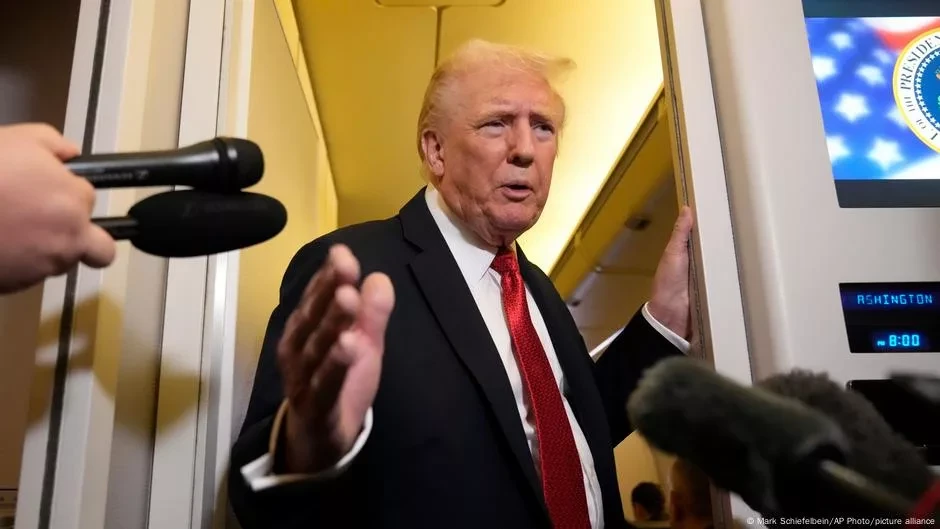
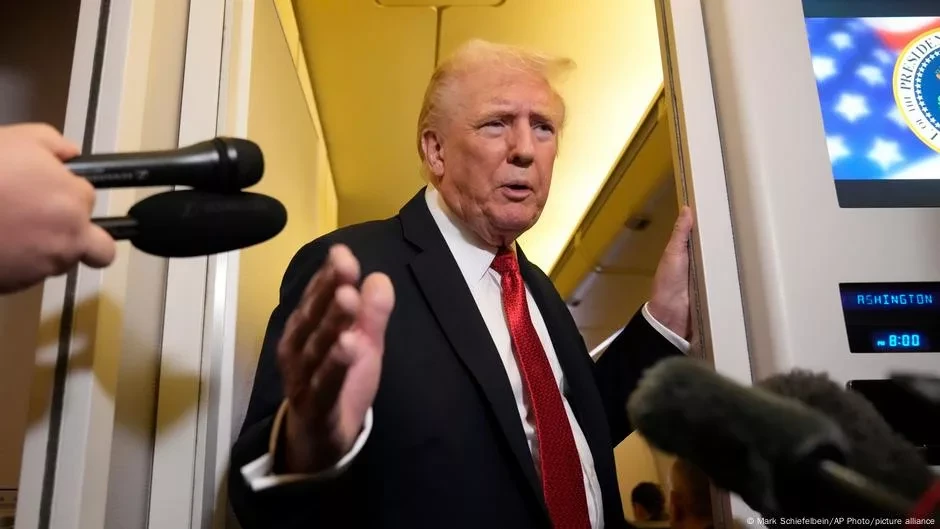
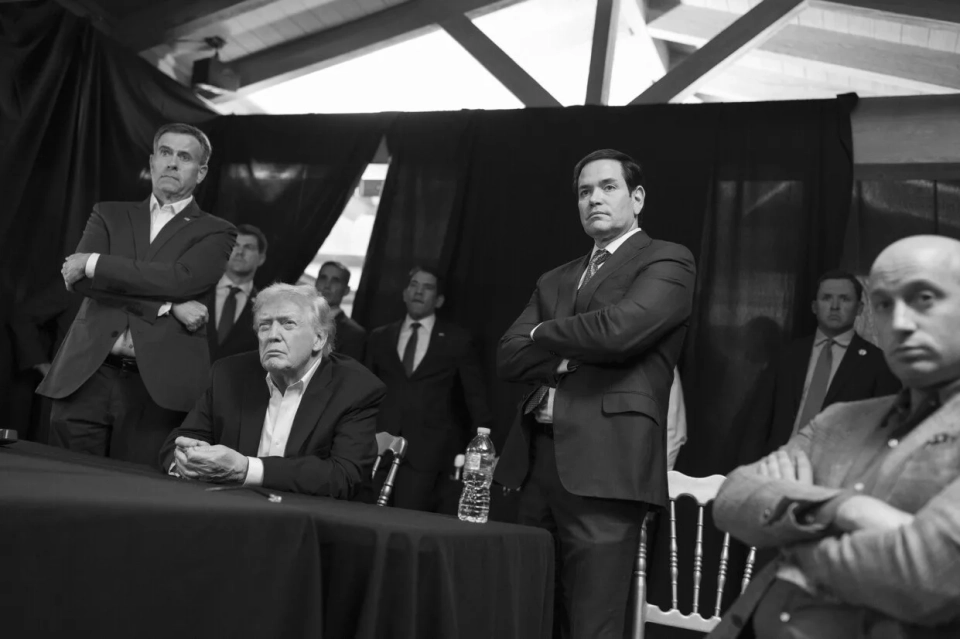
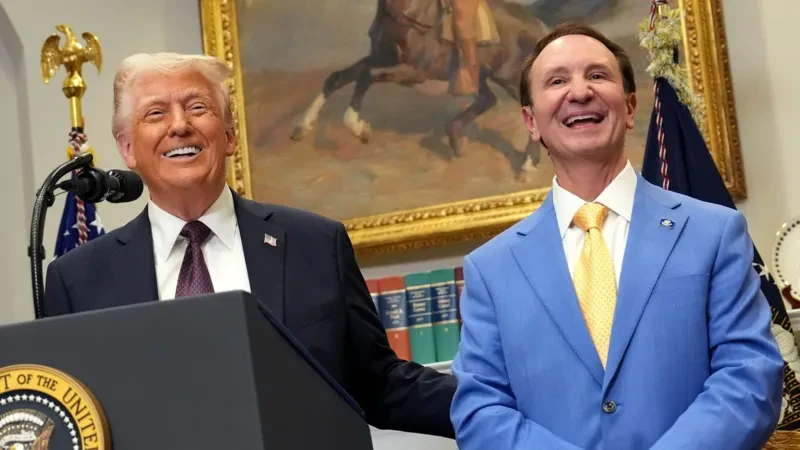
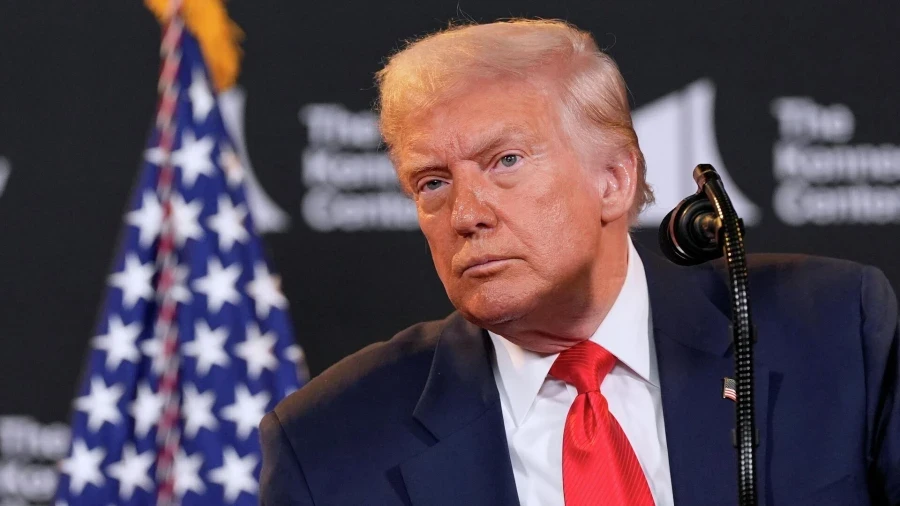
Trump strongly advises Cuban leaders to "make a deal before it’s too late," expecting them to accept U.S. interests. However, Cuban President Miguel Díaz-Canel responds, "No, gentlemen imperialists, this is not your 'backyard.' We do not recognize the Monroe Doctrine and will not succumb to pressure."
American authorities are confident that Díaz-Canel's days in power are numbered. Senator Lindsey Graham advises Cuban communists to turn to Maduro for advice, emphasizing that they should already be looking for new places to live. His colleague Ted Cruz, whose roots also trace back to Cuba, is convinced that the island's residents will rejoice at being freed from socialist dictatorship.
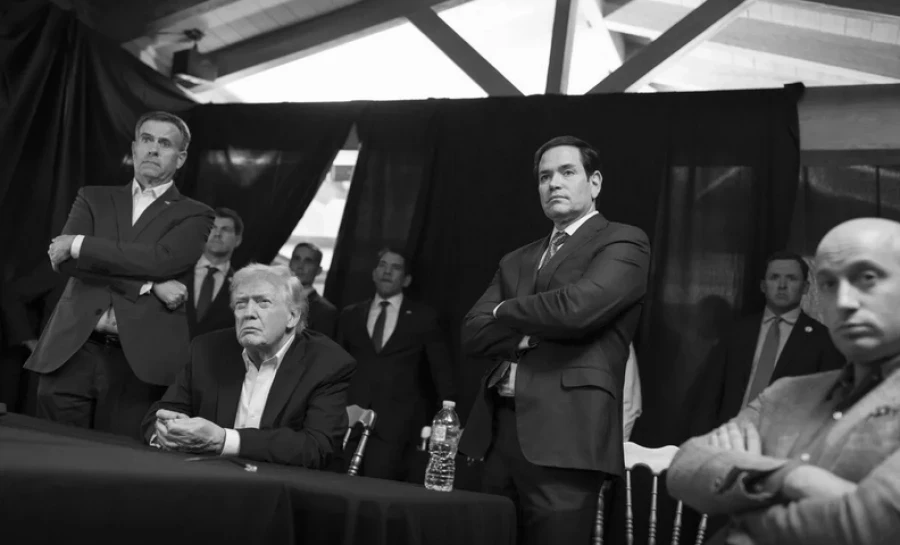
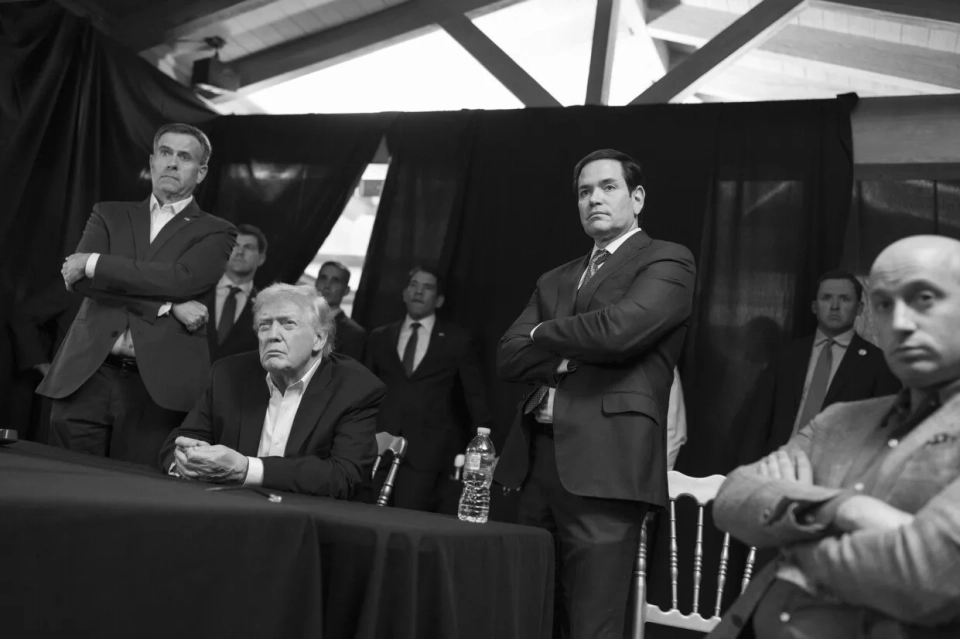
Interestingly, Trump has already proposed a new presidential candidate for Cuba—Secretary of State Marco Rubio, who is the son of Cuban immigrants. While this may sound like a joke, it is clear that Rubio has grand ambitions and a desire to bring Cuba back under control. "I dreamed of leading an army of exiles to overthrow Fidel Castro and become the president of a free Cuba," Rubio shares his memories.
However, Trump makes it clear that he does not intend to carry out military intervention in Cuba, likely due to a reluctance to face significant casualties and political consequences both domestically and internationally. He is confident that Cuba will "collapse on its own," given the economic realities, as the country's GDP has shrunk by 15% over the past six years, including a 4% decline just in 2025. The prospects for emerging from this dire situation are not visible.
The situation is exacerbated by the fact that Cuba no longer receives free oil from Venezuela, which supplied between 25,000 and 35,000 barrels per day, accounting for about 50% of the necessary oil imports. "Cuba has long survived on Venezuelan oil and finances, providing 'security services' to local dictators, but that time has ended," Trump stated.
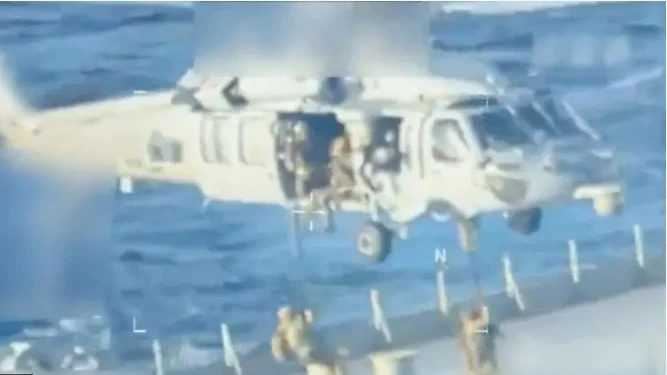
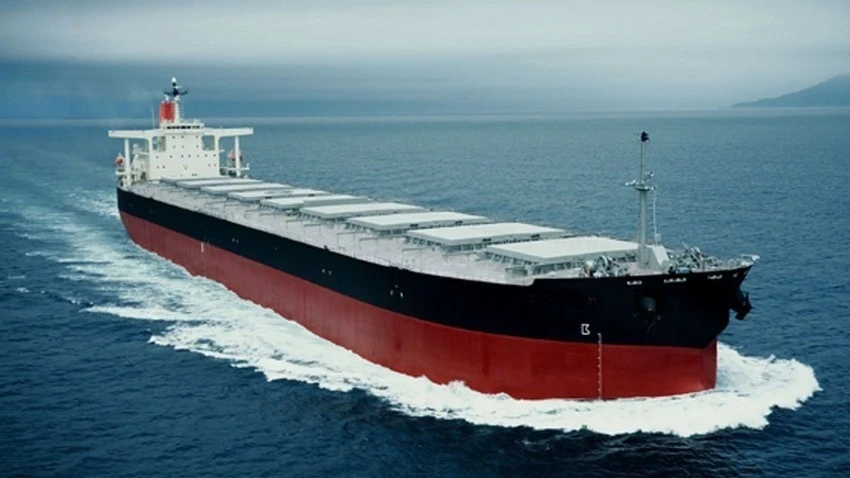
Although theoretically, oil can be replaced with paid sources, Mexico, which sells oil to Cuba, is becoming more important now. However, Trump could use his influence to halt supplies from Latin America and impose a naval blockade, preventing assistance from other countries.
Without oil, the island finds itself without electricity, which is already supplied intermittently, and in 2025, electricity production decreased by 25% compared to 2019. This, in turn, negatively affects production, and 20% of the population suffers from a lack of reliable sources of drinking water.
Financial support from abroad has also significantly diminished.
"After the collapse of the USSR, Cubans survived through savings and tourism. Cuba has always been known for its high level of medical care," says political scientist Igor Pshenichnikov. Before the pandemic, the island, with a population of about 10 million, welcomed up to 4 million tourists a year. However, currently, tourism has only recovered to 50%, and against the backdrop of economic difficulties and declining quality of life even in popular tourist spots like Varadero, it is hard to expect a significant influx of foreign guests.
Social issues have also become more acute. From 2021 to 2024, the number of doctors decreased by 29%, and infant mortality doubled from 2018 to 2025. Recently, about 10% of Cubans have been forced to leave the country. "The people are tired. Cuba is very poor now, and after the cessation of oil supplies from Venezuela, the situation will only worsen. We have a chance for the democratization of the country," asserts Senator Rick Scott from Florida.
However, not everything is so straightforward. Some experts believe that talks about Cuba's imminent fall are exaggerated. First, there is no serious internal opposition in Cuba, unlike in Venezuela, although some activists are trying to make their voices heard. "If the Castro regime collapses, the Cuban opposition, both inside the country and in exile, is ready to form a transitional government, receiving support from the U.S. and other international players," says José Daniel Ferrer, who was imprisoned for four years and later emigrated to the U.S. But there is no serious organizational structure to speak of.
Secondly, it is necessary to consider the internal strength of the Cuban people. Cubans have lived under sanctions for many years, and the general population is critically inclined towards the U.S. and is unlikely to support the return of American capitalists dreaming of restoring the old order.
Nonetheless, the current generation of Cubans is different from those who experienced the 90s under Fidel Castro. Similarly, Soviet citizens of the 80s were different from those who lived in the 40s.
"Older Cubans are willing to endure hardships; they remember how the U.S. devastated their country. But the younger generation watches American movies and aspires to the American dream. They may take to the streets in protest. Thus, Cuba's fate will be determined by internal conflicts between generations and elites, rather than external pressure from the U.S.," concludes Pshenichnikov.