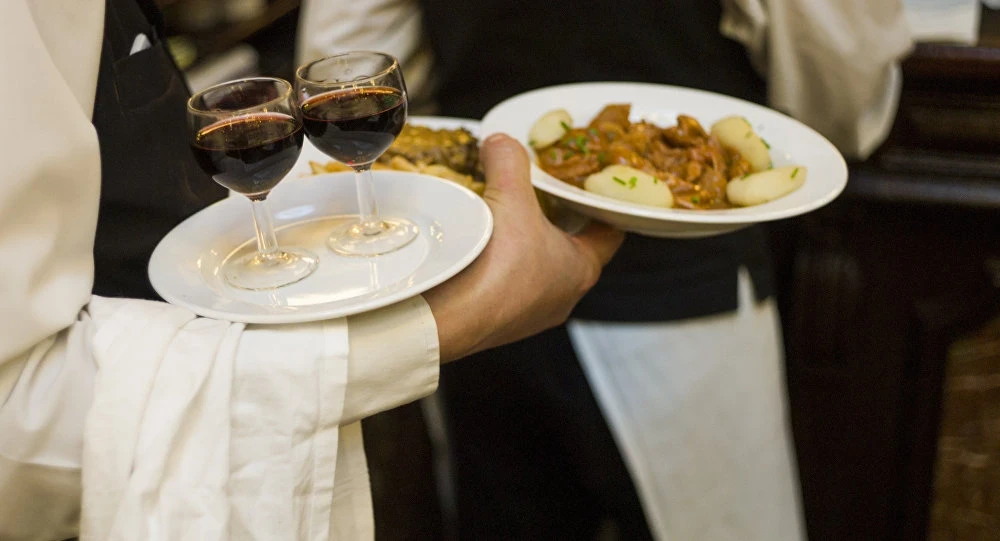
The recent decision by the authorities of Kyrgyzstan, aimed at making life easier for customers of cafes and restaurants, has led to unexpected consequences. The ban on itemizing the service charge separately on the bill did not reduce the total cost of the order; on the contrary, it forced establishments to raise prices on their dishes, reports Azattyk Asia.
Since the beginning of the new year, a ban has been introduced in Kyrgyzstan on itemizing the service charge in restaurant bills and menus. Previously, this amount, which usually constituted 15% of the total order, was listed separately. Now, even with the removal of this line, the total amount on the bill has not decreased.
According to Gulzat Raimbekova, head of the hotel and restaurant association HoReCa, without these 15%, restaurateurs will not be able to survive, which prompted them to raise prices on dishes.
“We suggested not removing this line, as these costs do not disappear anywhere,” Raimbekova stated. “We were told by the Ministry of Economy that we could include these costs in the price of the dishes. In the end, that’s exactly what happened,” she added.
Discussions about the service charge have gone beyond the restaurant business, drawing criticism from some members of parliament. For example, Dastan Bekeshev expressed dissatisfaction with the government’s intervention in this matter: “Why intervene? It only worsened the situation,” he stated.
In turn, representatives of the Cabinet asserted that the innovation is aimed at protecting consumer rights, and that including the service charge in the price of dishes contradicts the essence of the reform.
“According to the law, service compensation should be voluntary. It is unlawful to include it in the bill, as this violates consumer rights,” commented Daniyar Amangeldiev, the First Deputy Chairman of the Government of Kyrgyzstan.
However, this statement surprised many representatives of the restaurant sector. Journalists from Azattyk Asia attempted to obtain comments from various establishments in Bishkek but faced refusals.
“I would prefer not to speak publicly, as I fear the consequences. I’m just stating the facts,” noted one of the restaurant administrators.
Gulzat Raimbekova, representing more than 80 large cafes and restaurants, emphasized that service is not an abstract service, but real costs that include staff salaries, taxes, and rent. Without the ability to cover these expenses, she warns that the business will be on the brink of bankruptcy, which could leave about 400,000 people in the industry without jobs.
“Such a number of people could be left without work just due to the impact on our pricing,” she laments.
The question of who benefits from the changes remains open. Consumers find themselves in an ambiguous situation: on one hand, the service charge line has disappeared, which many considered an imposed service; on the other hand, the cost of dining in a restaurant, instead of decreasing, has in some cases even increased.