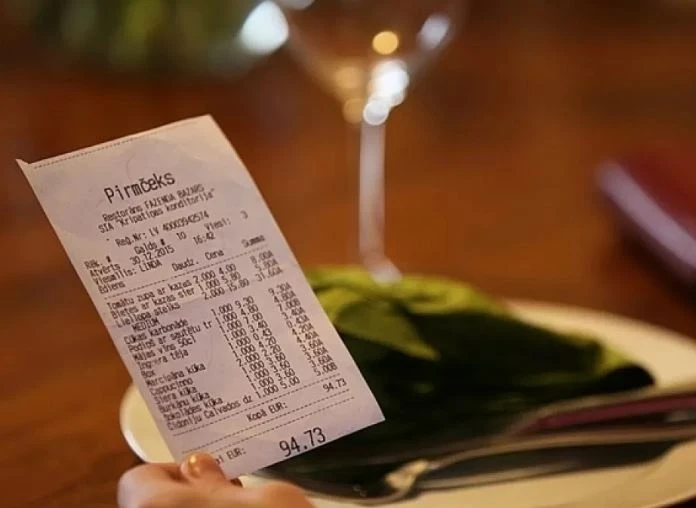
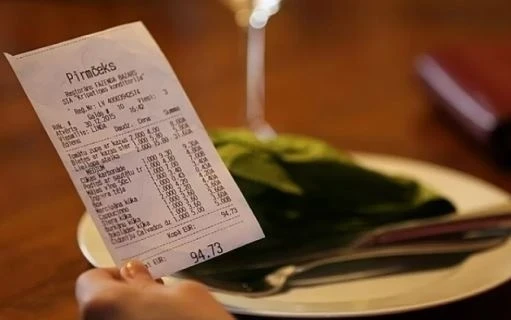
This initiative is a response to the increase in prices at cafes and restaurants following the cancellation of the service charge. Kaktus.media has gathered opinions from experts on this issue.
State Antimonopoly Service
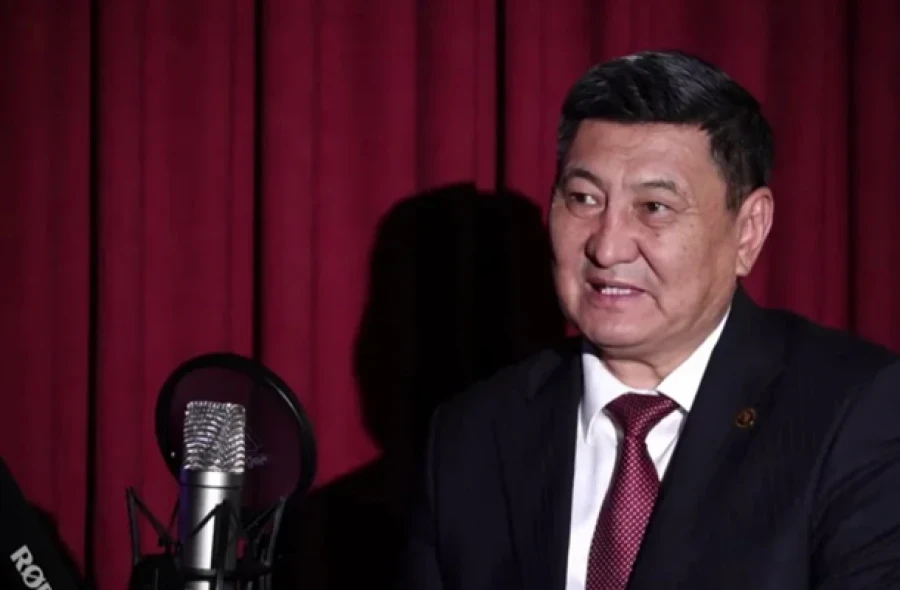
Jenaly Orozbaev, head of the State Antimonopoly Service, noted that the prices of dishes do not have a regulatory body, as this is a highly competitive market.“With the introduction of item 141, the service charge as a percentage of the bill was banned. Now we will monitor how restaurants and cafes account for this. If such a charge is absent, there will be no fines; however, if it is indicated on the receipt, the establishment will face penalties,” he emphasized.
Orozbaev also reported that the agency has a metrological supervision service that will check compliance with weight norms in case of complaints.
“For example, if the menu states that a dish should contain 50 grams of meat, 300 grams of noodles, and 200 grams of liquid, we will verify this. Fines are provided for such violations. We do not intend to pressure businesses, but we strive to bring order. Our goal is to protect consumer interests,” he added.
At the same time, he reminded that currently, prices in the country are not subject to regulation.
Consumers can choose: if one establishment does not suit them, they can visit another. The food service industry is a highly competitive market.Orozbaev also noted that rising prices will lead to increased tax revenues.
“We can influence this market through other mechanisms that do not concern prices. Establishments have started earning more, but the number of visitors may decrease. Over time, the situation will normalize,” he added.
If we start to control the weight of finished dishes more strictly, it will not be possible to make 12-13 portions out of ten. We have not yet applied penalties, but inspections will begin soon.Additionally, the State Antimonopoly Service plans to investigate the food service market for collusion, which is a violation of the law. However, proving collusion is difficult, as noted by agency representatives.
“Horeca Club” Association
Gulzat Raimbekova, head of the “Horeca Club” association, which represents the interests of the restaurant and hotel sector, reminded about the differences between underweight products and service charges.“Restaurateurs are responsible for the content of the menu, including the weight of dishes. If it states that the weight of the salad is 300 grams, the customer should receive exactly that portion. Members of our association always take responsibility for such matters. This is not related to price or service,” Raimbekova noted.
Legislation
According to item 42 of the “Rules for Trading Certain Types of Goods on the Territory of the Kyrgyz Republic,” prices for goods are set by trading entities independently.Fines for violations of trading norms are stipulated in the Code of Offenses, specifically in article 286 “Violation of Trading Rules.” The fine for individuals is 3,000 soms, and for legal entities, it is 13,000 soms.
Additionally, there is article 390 “Violation of Consumer Rights in the Sale of Goods (Works), Services.”
- For weighing, overcharging, and miscounting, fines are provided: for individuals — 16,500 soms, for legal entities — 51,000 soms.
- Overpricing indicated on packaging or labels is punishable by a fine of 3,000 soms for individuals and 15,000 soms for legal entities.
- The absence of price information for consumers in the national currency also incurs fines of 3,000 and 15,000 soms for individuals and legal entities, respectively.
Who has the right to conduct inspections?
- The Department of Disease Prevention and State Sanitary-Epidemiological Supervision under the Ministry of Health of the Kyrgyz Republic and the Veterinary Service under the Ministry of Agriculture of the Kyrgyz Republic carry out control over compliance with epidemiological supervision to prevent diseases.
- The department, together with the Bishkek City Police Department, checks establishments for the presence of smoking in public places.
- The Environmental and Technical Supervision Service under the Ministry of Natural Resources and the Land and Water Supervision Service check waste disposal.
- The Ministry of Construction and the Bishkek City Hall are responsible for inspecting signage on buildings.
- The Ministry of Construction and the Fire Supervision Service check compliance with fire safety standards.
- The Labor Legislation Control Service, together with the tax service, checks the number and positions of workers.
- The Labor Legislation Control Service also checks for the presence of foreign workers in establishments.
- The Social Fund and the State Tax Service check compliance with age requirements for staff.
- The State Agency for Intellectual Property and the National Agency for the State Language check the use of the state language in the food service sector.
- The Road Traffic Safety Control Department and the State Agency for Intellectual Property can issue fines for background music and televisions in hotel rooms.