“The overwhelming majority of GKNB employees are honest professionals and loyal to their oath”
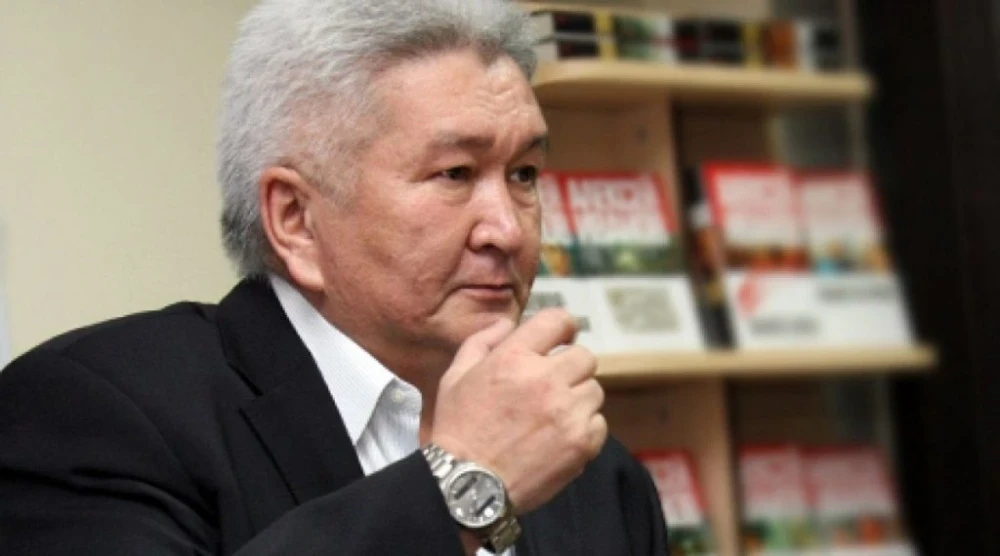
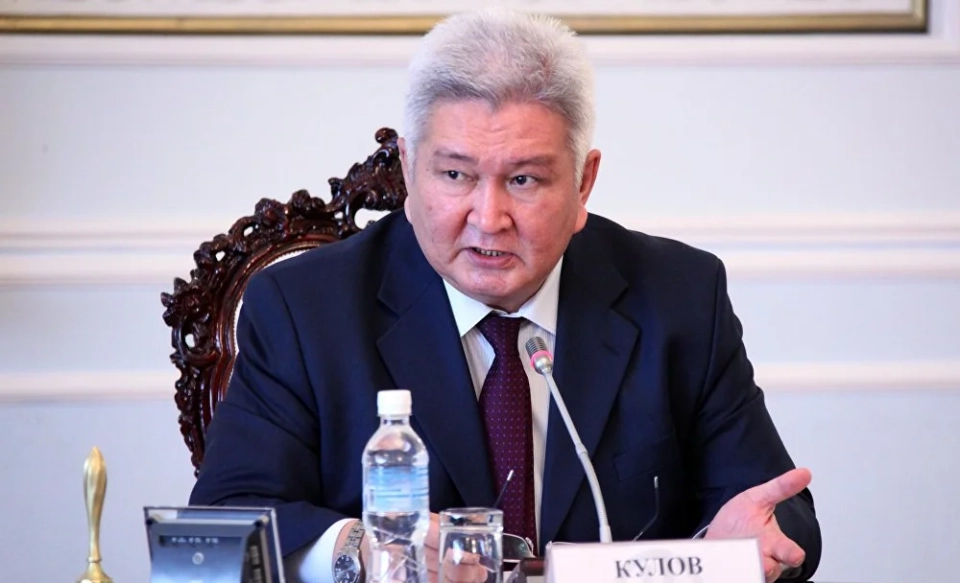
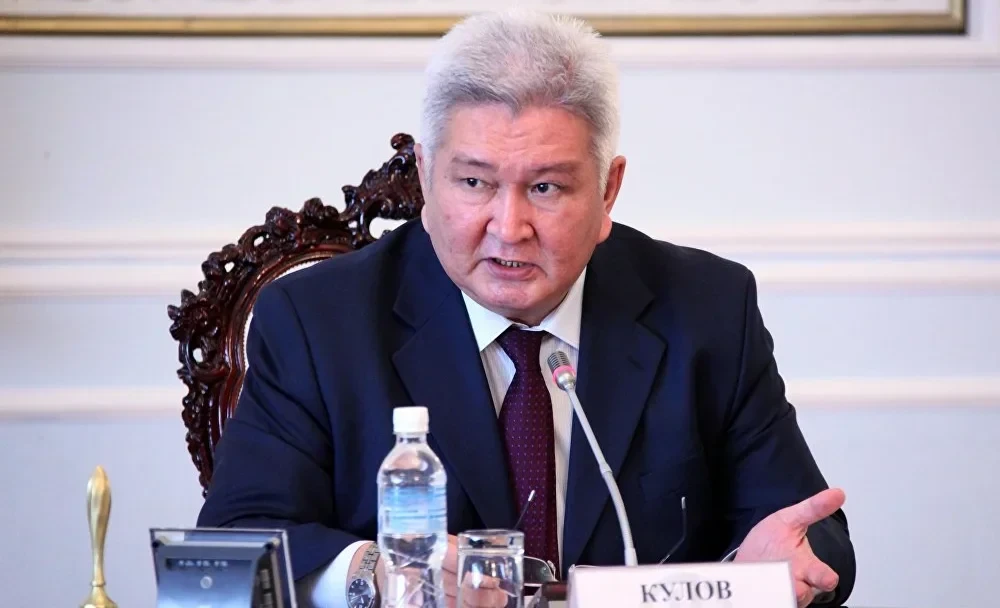
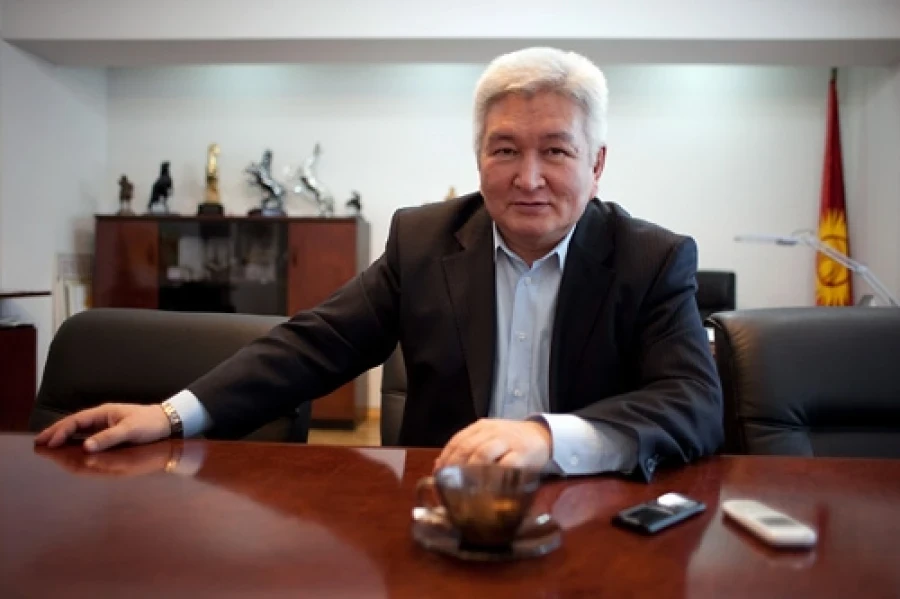
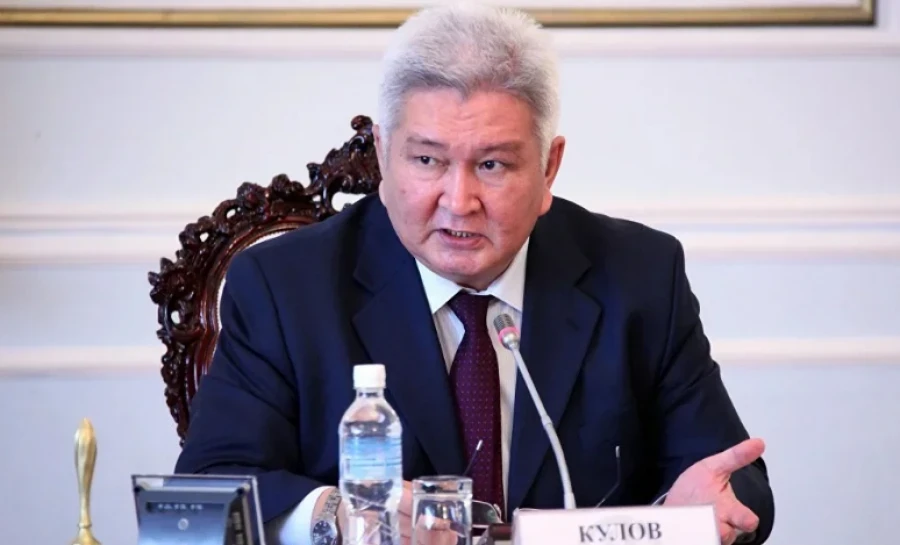
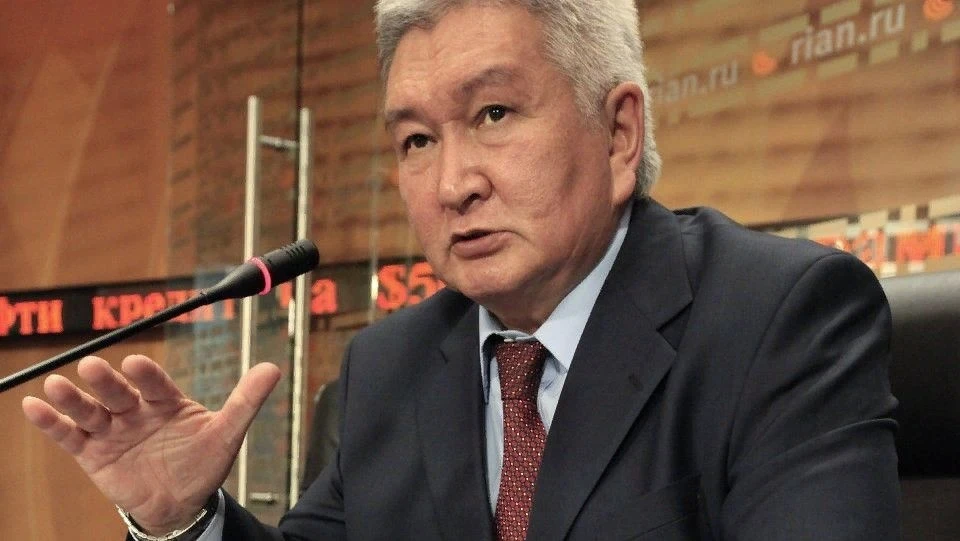
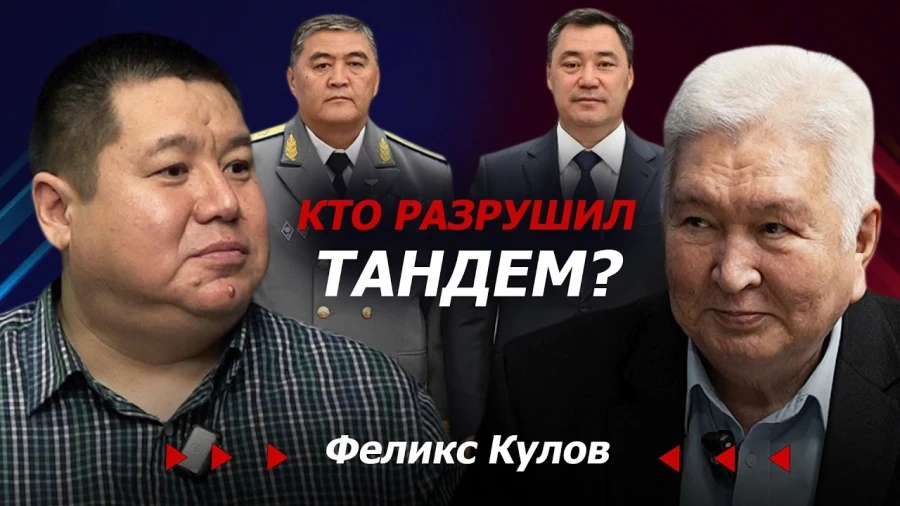
As a result of recent arrests of high-ranking officials and identified violations within the GKNB, a distorted perception of the work of national security agencies has formed in Kyrgyz society. This issue was raised by former Prime Minister Felix Kulov on his Facebook page.
“Undoubtedly, negative events have affected the reputation of the agency. As is known, one spoonful of tar can spoil a barrel of honey. Nevertheless, it would be wrong and shortsighted to transfer the responsibility of individual persons to the entire staff,” he noted.
According to Kulov, the majority of GKNB employees are dedicated professionals who ensure the safety of the people and the state on a daily basis. “They do their job, often remaining in the shadows, risking themselves for the stability of the country. We must not allow the mistakes or abuses of individual representatives of the system to demoralize the entire team and undermine this important institution,” he added.
Kulov also emphasized that the new leadership of the GKNB has taken steps to correct shortcomings and initiate internal rehabilitation of the system. “Not all actions in this direction can be publicly discussed for understandable reasons. Such work requires time and care,” he noted.
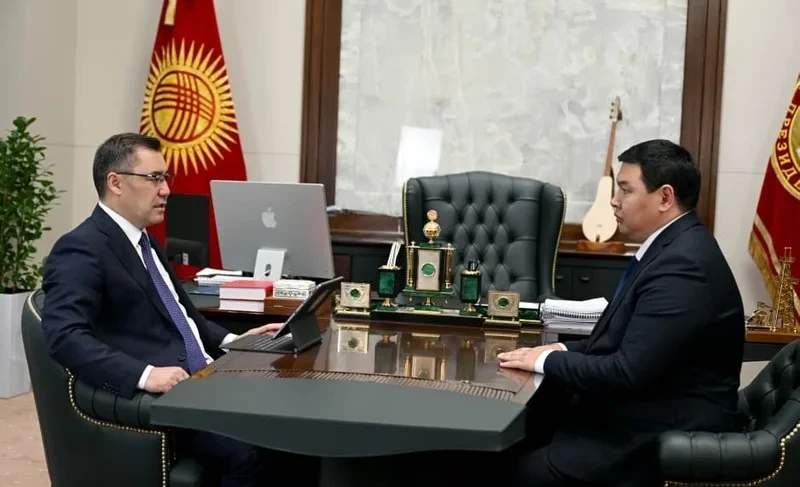
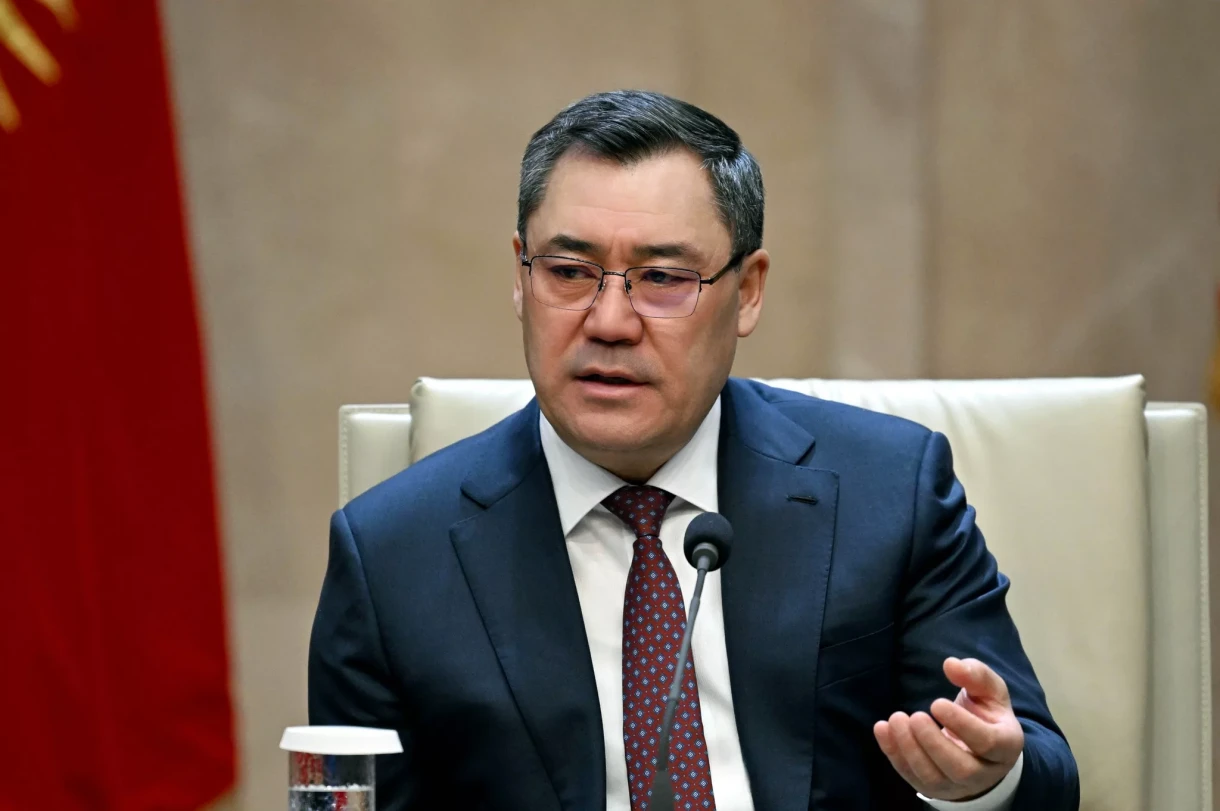
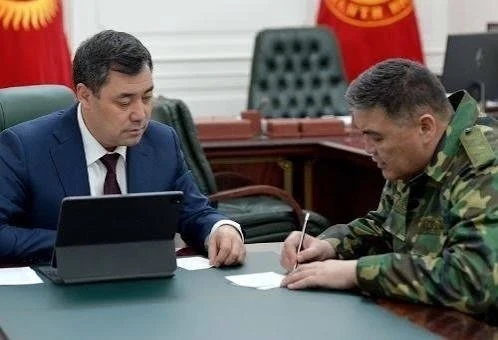
He also reported that information about violations was received by both the previous leadership and the head of state. President Sadyr Japarov expressed dissatisfaction at one of the meetings, stating that such facts must be immediately suppressed, and those responsible must be strictly punished, regardless of their positions and merits. Kamchybek Tashiev, in turn, reported on the conduct of internal investigations and the dismissal of some employees, acknowledging the presence of “wolves in uniform” who committed official violations for personal gain.
It is important to remember that no leader can control all the actions of thousands of their subordinates. The scale of the structure creates risks of abuses, and therefore reliable mechanisms for internal control and external oversight are necessary.
The practice of identifying illegal privatization also requires separate analysis. In the pursuit of demonstrating effectiveness, there may have been an unspoken competition among officials to uncover more violations. Formally, these actions could appear legitimate, but it is important to thoroughly verify each claim of violations to avoid excesses or illegal pressure from law enforcement officials.
To ultimately resolve these issues, it would be advisable to create a special commission under the General Prosecutor's Office that can provide a legal assessment of all incoming statements. This will help ensure transparency, restore trust, and confirm adherence to the principles of legality.
When it comes to specific leaders, evaluations can become emotional and not always objective. We observe how, under the pretext of “freedom of speech,” derogatory judgments and offensive labels are sometimes voiced.
The state approach requires balance. History shows that the activities of major leaders are always multilayered and complex, and their assessment should be objective rather than situational.
It is especially important now to maintain the institutional stability of security agencies to prevent their discrediting and demoralization of personnel.
It is necessary to continue the line initiated by President Sadyr Japarov to improve personnel policy, regardless of the merits of specific individuals. The principle of equality before the law and accountability should become a reality, not just a declaration.
It is also important to strengthen the independence of the judiciary and minimize any attempts to influence it from special structures or “telephone law.”
In this regard, it would be advisable to create an expert commission to prepare recommendations for improving public administration, as well as the judicial and law enforcement systems.
Only a comprehensive, balanced, and lawful approach will allow us to move forward, eliminate possible sources of tension, and strengthen unity in society.
State institutions must be simultaneously cleansed and strengthened. Criticism is important, but it should not destroy trust in those who honestly and diligently serve their country,” concluded Felix Kulov.
Photo www