During the experiment, researchers measured a large number of proteins, fats, metabolites, and trace elements in both red blood cells and plasma. The results were surprising even to the scientists themselves, as reported by Studyfinds.
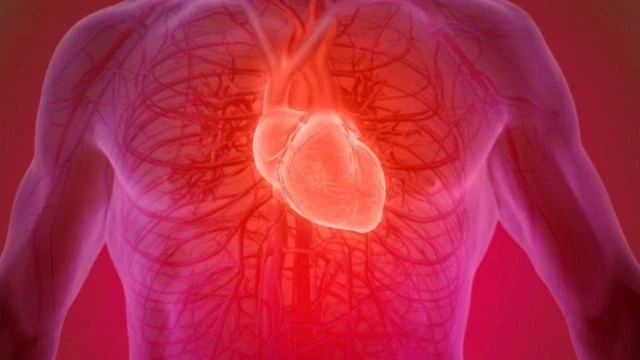
Red blood cells, which are nucleated cells, are unable to self-repair. When damaged, the cell continues to function until the spleen removes it. After a hundred-kilometer race, the activity of the spleen increases, leading to elevated levels of bilirubin and hypoxanthine in the blood—indicators of active destruction of red cells. In contrast, no such effect is observed after a 40 km run.
Although the physical impact from the foot striking the ground has long been recognized as a cause of red blood cell destruction, the study showed that this is only part of the problem. Inflammatory processes and oxidative stress have a significantly greater impact. Lipids in cell membranes oxidize, similar to rancid oil, leading to damage to proteins inside red blood cells. These changes reduce their flexibility, and the cells can no longer pass normally through capillaries and spleen filters.
It was also noted that after an ultramarathon, the level of copper in the blood sharply increases, coinciding with a decrease in the elasticity of red blood cells. This may be related to the release of copper from antioxidant enzymes that are overwhelmed by the load.
The most surprising aspect of this study is the parallel with donor blood. Blood in a bag ages according to a similar principle: oxidation of proteins and fats, loss of flexibility, which increases the risk of disposal after transfusion. Thus, a runner can accelerate this process in their cells in one day just as it occurs over several weeks of storage of donor blood. Scientists hope to use this data to improve the shelf life of donor blood.
For athletes, the results of the study emphasize the importance of monitoring certain indicators. In particular, vitamin B5 is consumed in the process of membrane recovery, while carnitine is involved in repairing cells after long runs.