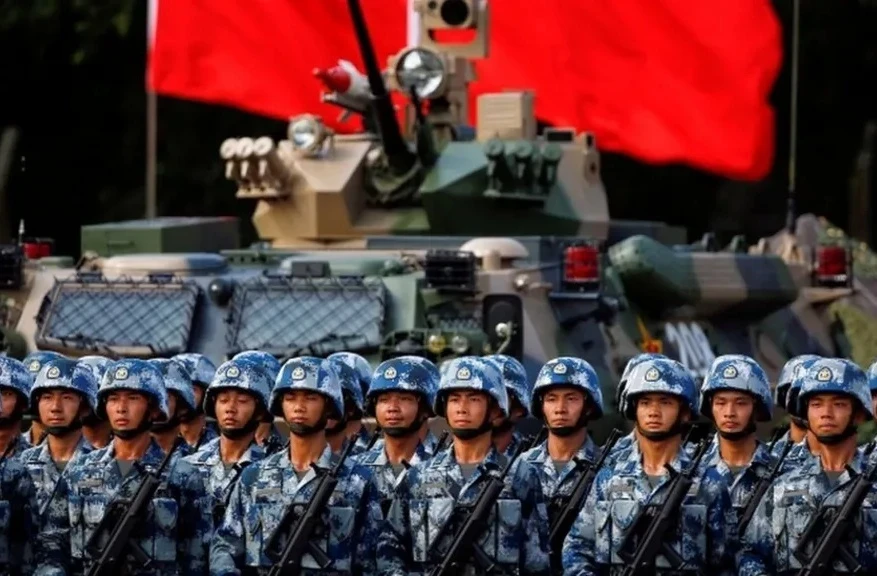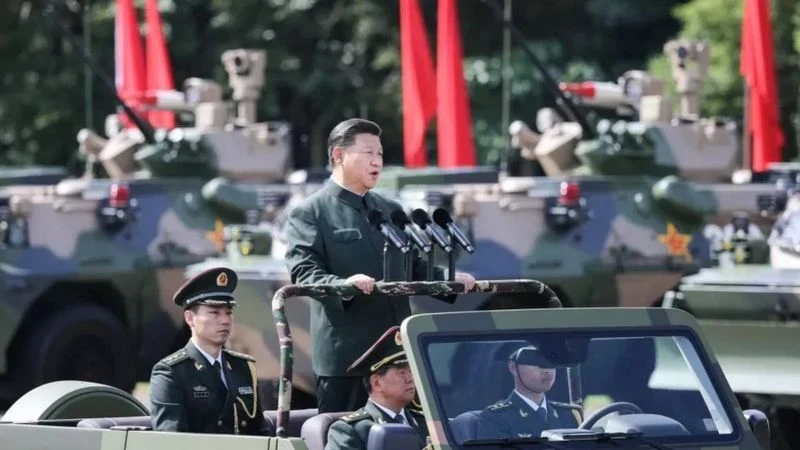
According to a new report published by the Center for Strategic and International Studies, since 2022, China has seen the dismissal of 36 generals and lieutenant generals, with another 65 officers listed as missing or possibly also dismissed.
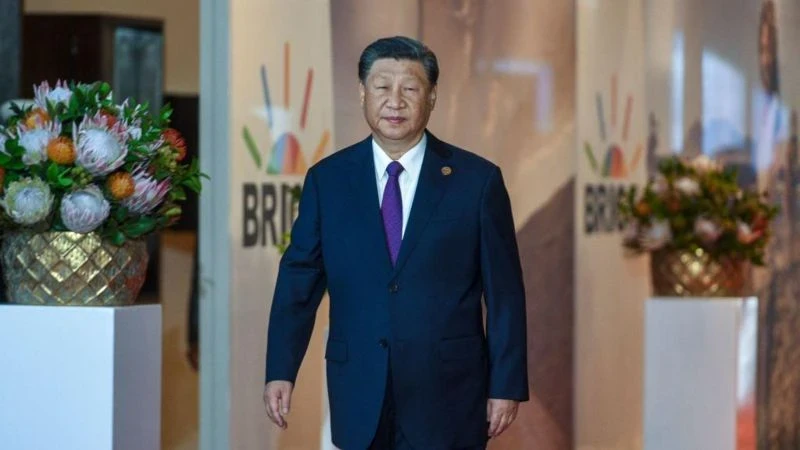
The extensive purge is part of Xi Jinping's anti-corruption program aimed at strengthening control over the military and implementing military modernization.
However, the authors of the report emphasize that such extensive purges in the PLA raise doubts about the army's readiness to carry out complex operations.
According to the report, when considering positions that have undergone purges multiple times, this has affected 52% of the 176 senior leadership positions in the PLA.
“These figures are astonishing and unusual; they highlight the scale of Xi Jinping's campaign and the unprecedented changes in the leadership of the PLA,” noted M. Taylor Fravel, director of the Security Studies Program at the Massachusetts Institute of Technology and one of the report's authors.
Not just the top leadership
The fight against corruption in the military has been an important aspect of Xi Jinping's rule for over a decade. However, recent purges have led to the dismissal of even those who were close to the leader or appointed by him.
Typically, officers who are dismissed are accused of corruption or disciplinary violations, but determining the factors behind such decisions in the opaque environment of the PLA is no easy task.
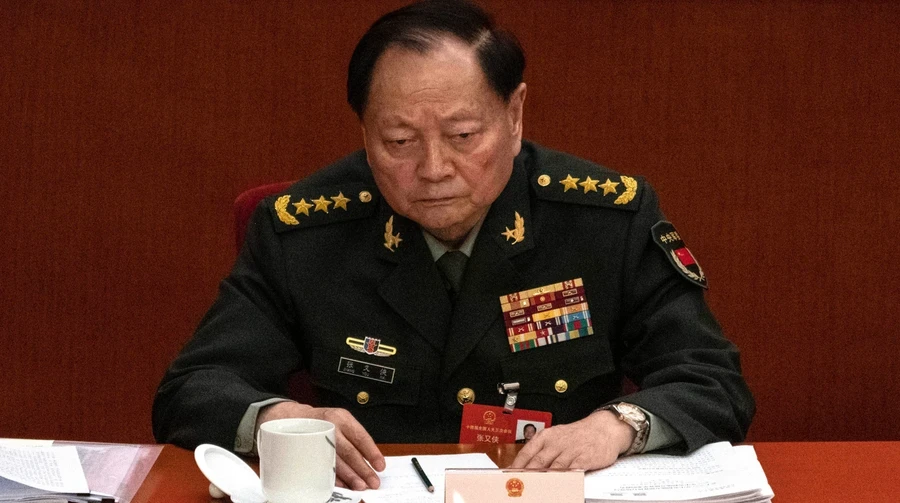
While investigations into high-profile generals, such as General Zhang Youxia and Chief of Joint Operations Liu Zhenli, have received widespread coverage, the report emphasizes that the purges also affect lower-ranking officers, which may necessitate the appointment of less experienced commanders.
This situation could limit the PLA's potential military operations.
Problems in the upper echelons of the PLA became evident when analyzing candidates for the position of commander of one of the five theaters of operations. After the dismissal of 56 deputy commanders, the number of candidates for this position decreased by more than a third.
Bonnie Lin, one of the report's authors, emphasizes that the purges may already be impacting the PLA's combat readiness.
She notes that PLA exercises in the Taiwan area took significantly longer in 2025 compared to the previous year.
The Taiwan issue
The report claims that the loss of top command raises doubts about the PLA's ability to carry out a complex invasion of Taiwan in the coming years amid measures taken by the U.S. and Japan to prevent this scenario.
China considers Taiwan its territory and does not rule out the possibility of using force to control it.
“Xi Jinping's distrust of the military may prove beneficial for the U.S. and Taiwan in preventing an invasion,” noted John Culver, a senior fellow at the Brookings Institution.
Nevertheless, despite the purges, the PLA retains significant influence and capabilities.
Less complex operations, such as a blockade, may still be feasible, as the report indicates.
“If Taiwan or the U.S. cross the red line, China will have many options for punishment and demonstrating force that do not require complex command coordination,” Culver noted.
“China is still capable of attacking Taiwan and creating serious problems for the U.S.,” added CSIS analyst Thomas Christensen.
However, Christensen advises Xi Jinping to exercise caution even in less complex situations: will he be able to receive honest and candid advice?
New leaders may fear delivering bad news, worried about repeating the fate of their predecessors, as the report points out.
“This could create a danger in crisis management, as Xi Jinping may develop an unwarranted confidence in his military's capabilities,” concludes Christensen.
Nevertheless, experts believe that Xi Jinping perceives the current time as suitable for restoring order, especially considering his relationship with the American president, who seems less focused on Taiwan issues.
And while the purges raise many questions about the PLA's short-term combat readiness, according to author Joel Wutnow, adversaries of China should exercise caution by the end of the decade.
By that time, newly appointed officers will have gained more experience with modern weaponry and interaction with Xi Jinping, which may boost their confidence and expectations of success, Wutnow summarizes.