In his statement, Rubio emphasized that the reason for the spread of such fakes is that many media outlets rely on unreliable sources.
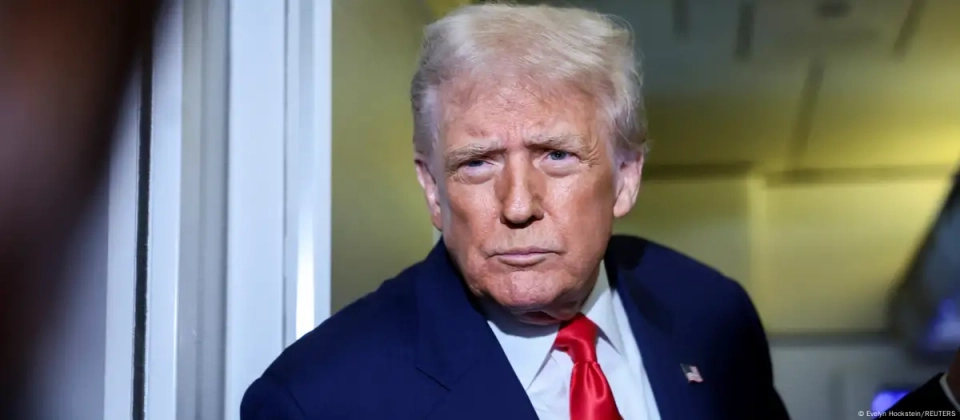
Against the backdrop of recent comments by U.S. President Donald Trump about the possibility of "taking" Cuba, Díaz-Canel declared his intention to provide "unyielding resistance." In his microblog, he noted: "Cuba, facing the worst scenarios, is certain of one thing — any external aggressor will encounter unyielding resistance" — this statement was made on March 17.
Earlier, The New York Times reported that the Trump administration is seeking to remove Díaz-Canel from power, citing four sources. During discussions, the American side made it clear that the Cuban president should step down, but final decisions are left to the discretion of the Cubans. Officials from the Trump administration believe that a change of power would pave the way for structural economic reforms in Cuba, which the current president is unlikely to support.
According to information from NYT, Washington is also insisting on the removal of some elderly Cuban officials who remain loyal to Fidel Castro's ideas. However, the U.S. is not currently demanding any actions regarding the Castro family members who continue to play a significant role in the country's politics.
According to one of the newspaper's informants, the overthrow of the Cuban president would be a "symbolic victory" for Trump, allowing him to claim the ousting of a leftist government leader opposing the U.S., similar to events in Venezuela. According to American officials, negotiations are aimed at encouraging Cuba to gradually open its economy to American companies, which would create a dependent state and provide several symbolic political achievements for Trump.
65-year-old Miguel Díaz-Canel, who has been the president of Cuba since 2018, is considered a nominal leader. His predecessor was former president Raúl Castro, who is now 94 years old and continues to exert influence over events in Cuba.
In an interview with NBC News published on March 16, Cuban Deputy Prime Minister Oscar Pérez-Oliva stated that Havana is ready for flexible trade relations with American companies and Cubans living in the U.S.
Nevertheless, Marco Rubio characterized these concessions as insufficient for implementing reforms aimed at creating a free market, which the Trump administration expects. "Not dramatic enough to help. They have important decisions to make," Rubio said at a press conference at the White House.
Rubio, who has Cuban roots, is a fierce critic of the Cuban communist regime, as noted by AFP.
The post by Marco Rubio denying rumors of U.S. plans to overthrow the Cuban president first appeared on K-News.