Stevens-Johnson syndrome is a rare but potentially life-threatening disease of the skin and mucous membranes, most often caused by medications. It is a severe toxic-allergic reaction characterized by damage to the skin and at least two mucous membranes. According to statistics, the global incidence is approximately 1.3 cases per million people, with a mortality rate of up to 10%. In some cases, the cause remains unclear; however, drug allergies pose the greatest danger, with the risk of sensitization for certain medications ranging from 1-3%.
The main triggers of SJS include antibiotics, non-steroidal anti-inflammatory drugs (NSAIDs), local anesthetics, antiepileptic drugs, barbiturates, and vaccines. The reaction can develop within the first four weeks after starting the medication. The syndrome requires prompt diagnosis and intensive treatment; in the presence of comorbidities and in elderly patients, the risk of fatal outcome increases to 5-12%.
The study describes clinical cases related to the use of carbamazepine.
Clinical Case No. 1:
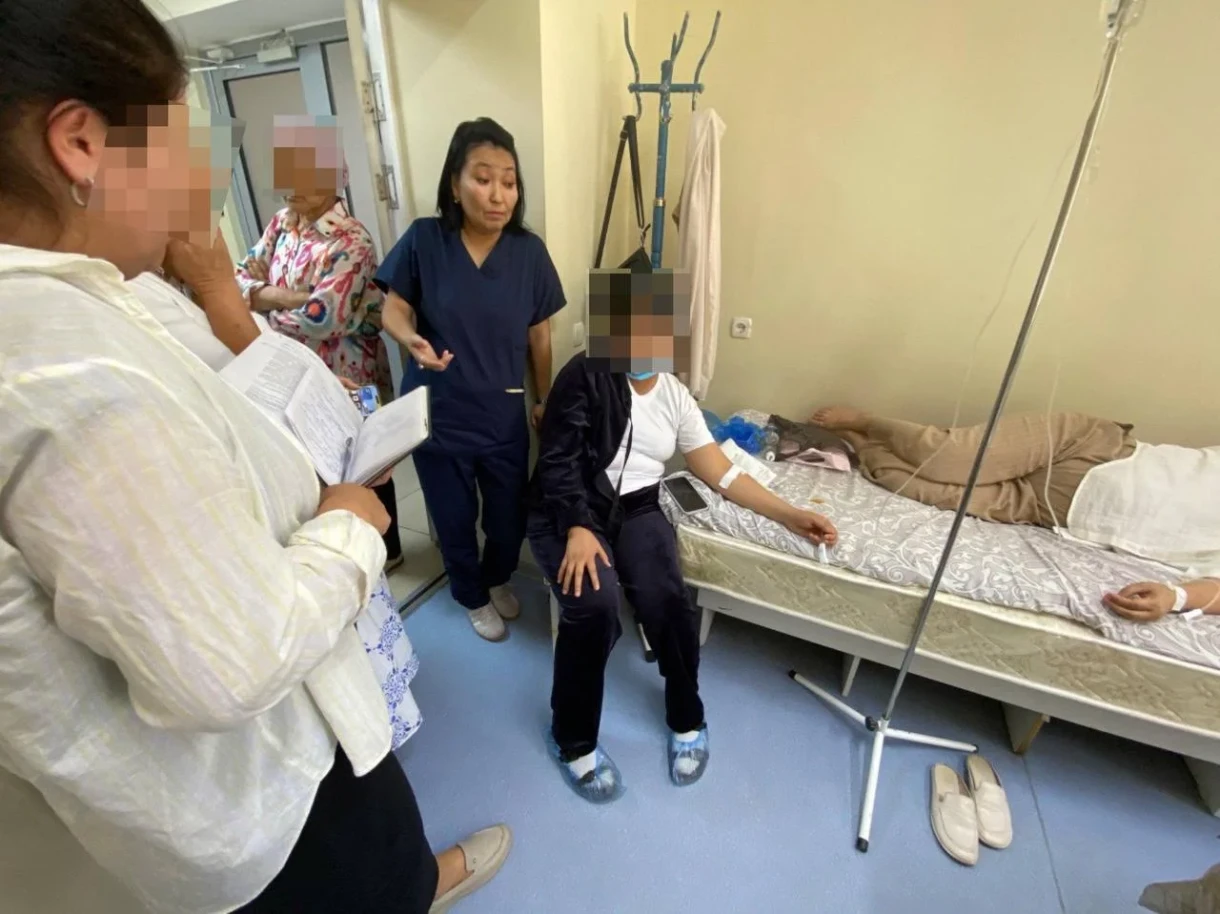
A patient, a man born in 1963, was hospitalized in the dermatology department of the Republican Center for Dermatovenereology with skin rashes and lesions of the oral mucosa and lips, experiencing pain while swallowing, swelling of the lips and hands, as well as general weakness. He associated the deterioration of his condition with the use of carbamazepine in the narcology department. After initial treatment, his condition worsened, and he was transferred to the RCDV.
During therapy, glucocorticoids, antihistamines, antibiotics, and antiviral agents were used, and external treatment of the affected areas was conducted. After ten days, the patient was discharged with recommendations: to exclude carbamazepine, follow a hypoallergenic diet, and continue supportive therapy.
Click here
to view
Clinical Case No. 2:
Another patient, a man born in 1988, was admitted with severe rashes on the skin, mucous membranes of the mouth, eyes, and genitals, experiencing severe pain, itching, and swelling. The exacerbation of SJS occurred after the repeated use of carbamazepine following inpatient treatment in narcology.
Treatment was conducted using a similar scheme as in the first case, with corticosteroids, antihistamines, antibiotics, antiviral agents, and local therapy. After 14 days in the hospital, the patient's condition improved, and he was discharged with recommendations for relapse prevention and discontinuation of carbamazepine.
Click here
to view
The authors of the study emphasize that early diagnosis and awareness of possible drug reactions among both patients and doctors are critical. The re-prescription of carbamazepine to patients with previous cases of SJS or other serious skin reactions is strictly contraindicated.
Stevens-Johnson Syndrome
Download document