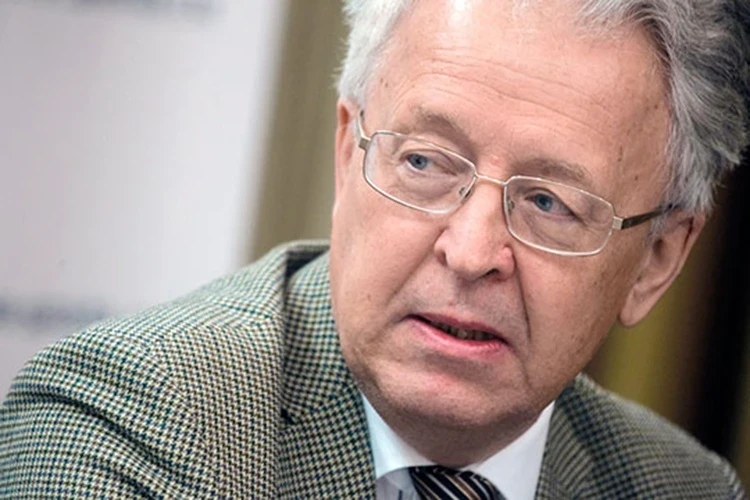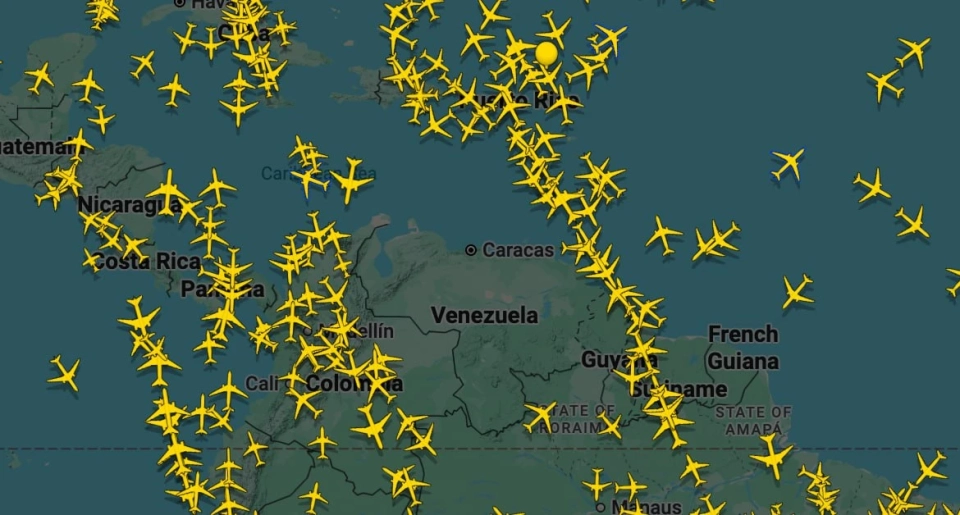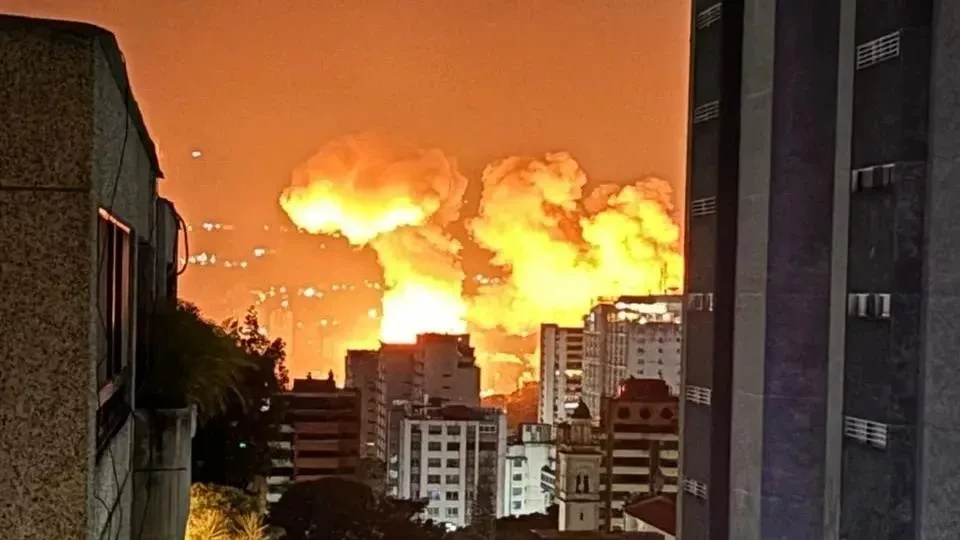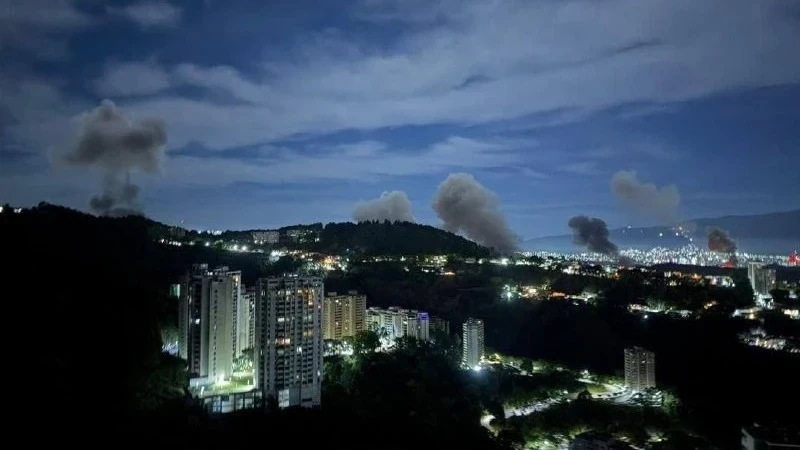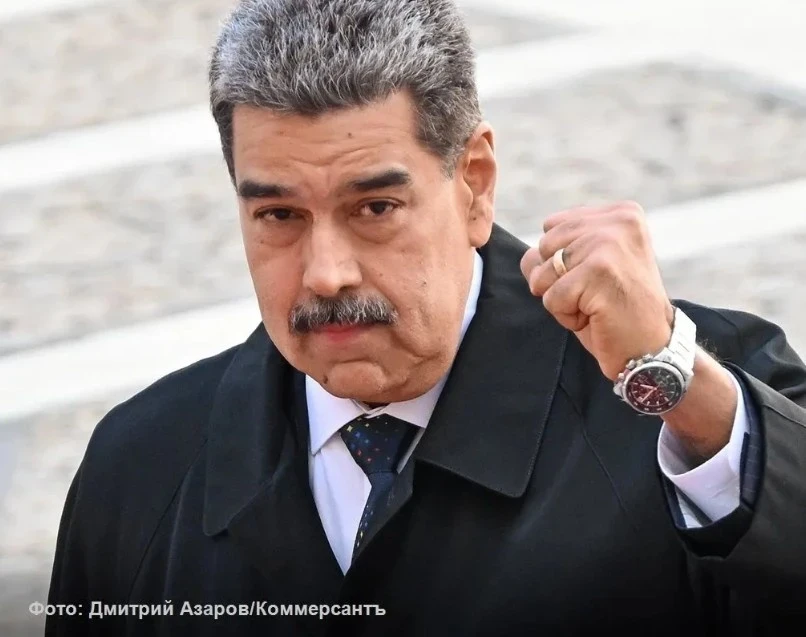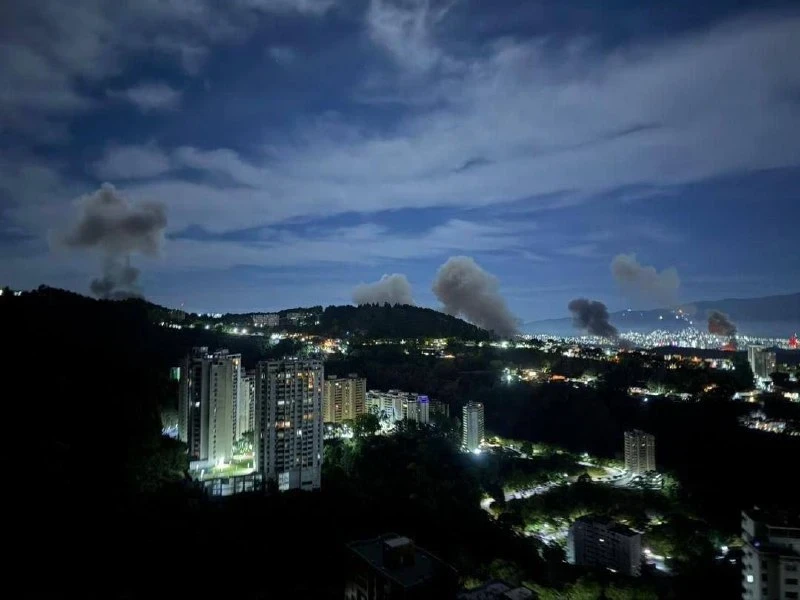
In a recent interview, Valentin Katasonov, a Russian economist and publicist, expresses the opinion that events in Venezuela signal that international relations are no longer operating under the old rules. He describes the swift operation by the United States as a turning point where law gives way to power. According to him, the active actions lasted less than an hour, and the entire episode took only a few hours, which is a clear sign: the U.S. is ready to act harshly and directly, ignoring international organizations.
Katasonov emphasizes that modern conflicts no longer fit within the framework of traditional wars. He highlights that the most important factors have become financial resources, intelligence networks, and the influence of internal groups. In his understanding, the rear, which was previously associated with the economy, now includes the information space, social factors, and the ability of the state to protect its interests from within.
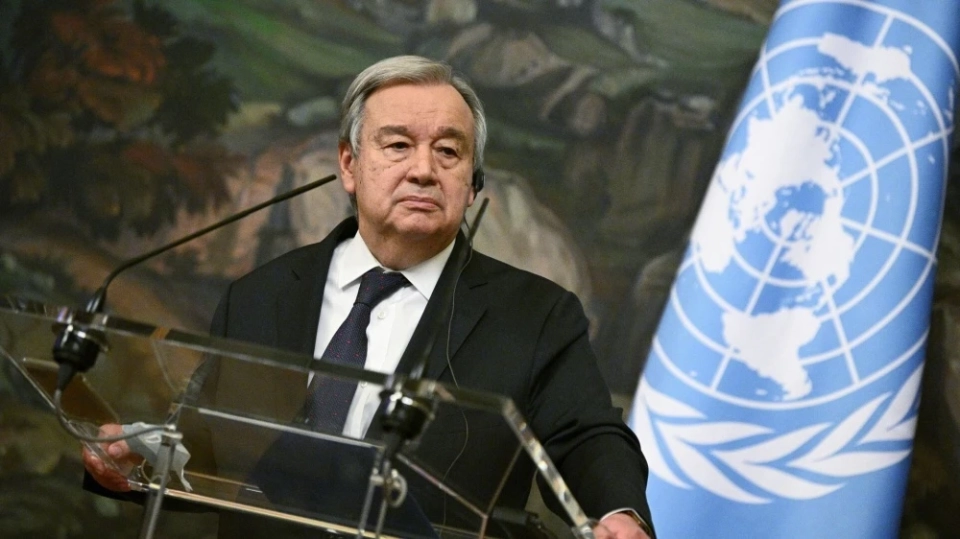
Special attention in the conversation is given to the UN. The economist states that this organization has effectively lost its significance: the U.S. is reducing its participation in numerous structures, violating statutory rules, and demonstrating contempt for collective decision-making mechanisms. He recalls statements from American politicians questioning the necessity of the UN's existence and asserts that events in Venezuela confirm that the system created after World War II has ceased to function.
The history of the global financial system occupies a significant place in the interview. Katasonov returns to the Bretton Woods Conference, the U.S. abandonment of the gold standard, the formation of the petrodollar scheme, and the "Jamaican reform," which he views as a closed conspiracy of a small number of Western countries. In his opinion, the dollar became a global currency not due to trust, but because of military power and control over key raw material markets. He notes that attempts by countries to create alternative currencies, from Gaddafi's gold dinar to independent payment schemes, have invariably faced coercive pressure.
Against the backdrop of all these events, the expert sees signs of a systemic crisis in the global currency and financial model. He asserts that Saudi Arabia is gradually distancing itself from previous agreements with the U.S., a new balance of power is forming in the Middle East, and internal conflicts in various countries, from Latin America to Iran, are linked to the struggle for control over resources, markets, and payments. Katasonov believes that the world is entering a period of instability, where the old rules no longer apply, and the new ones have yet to be established.