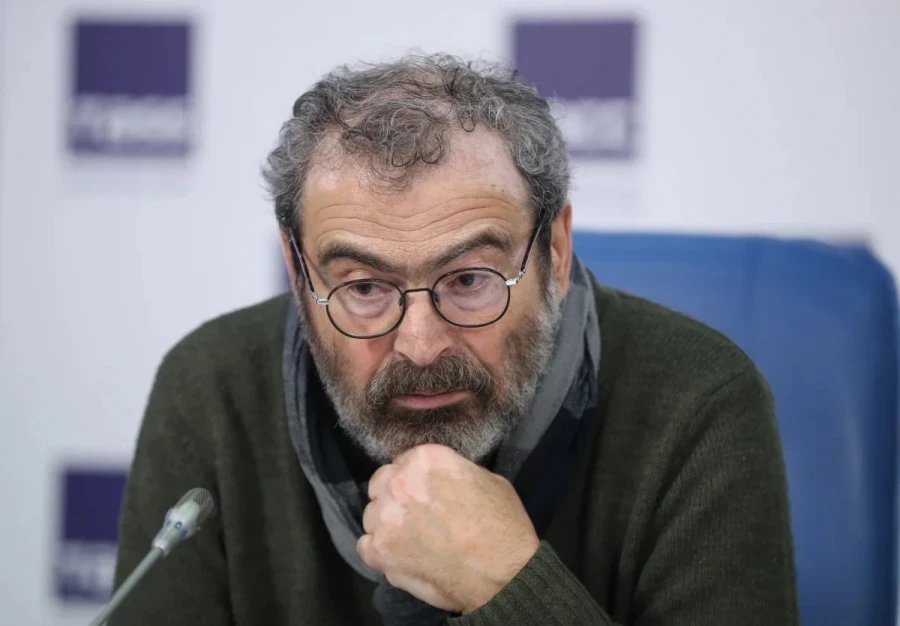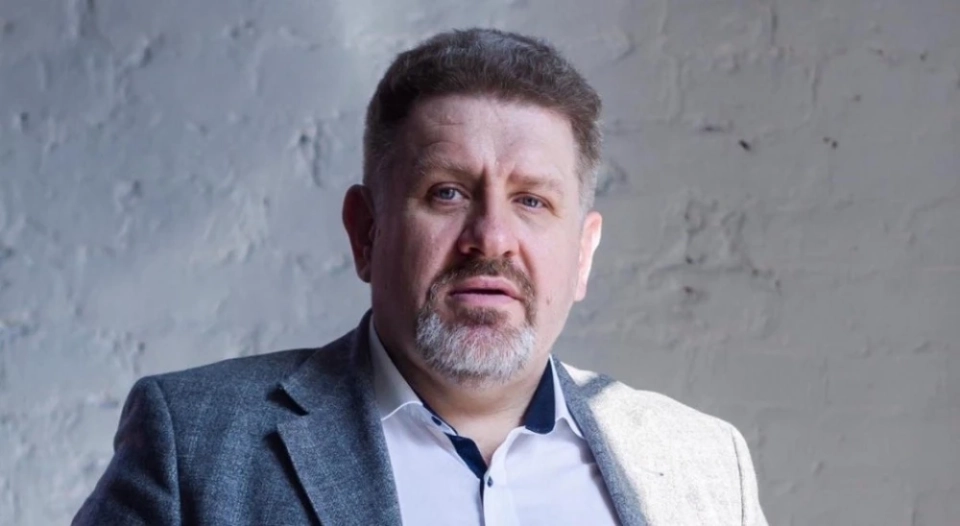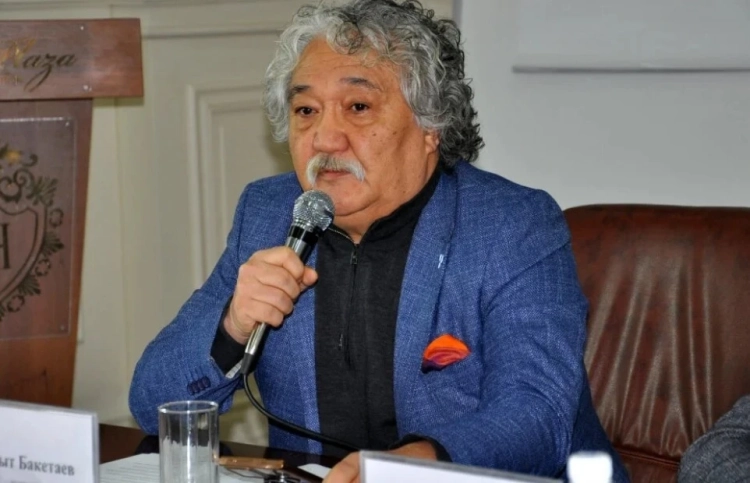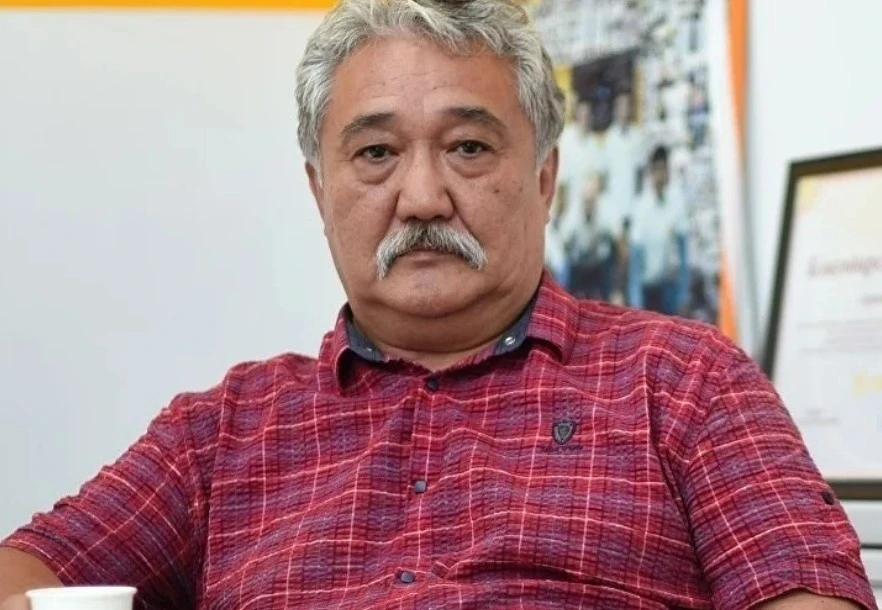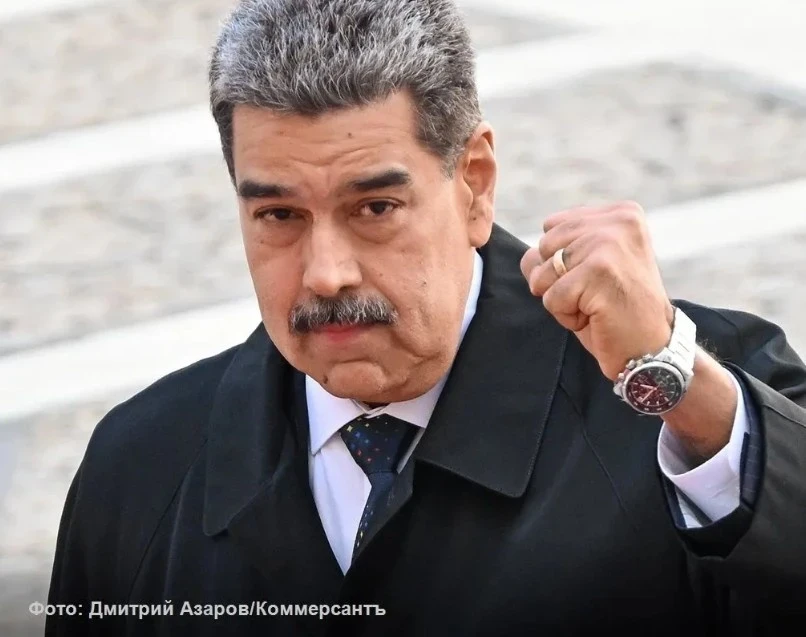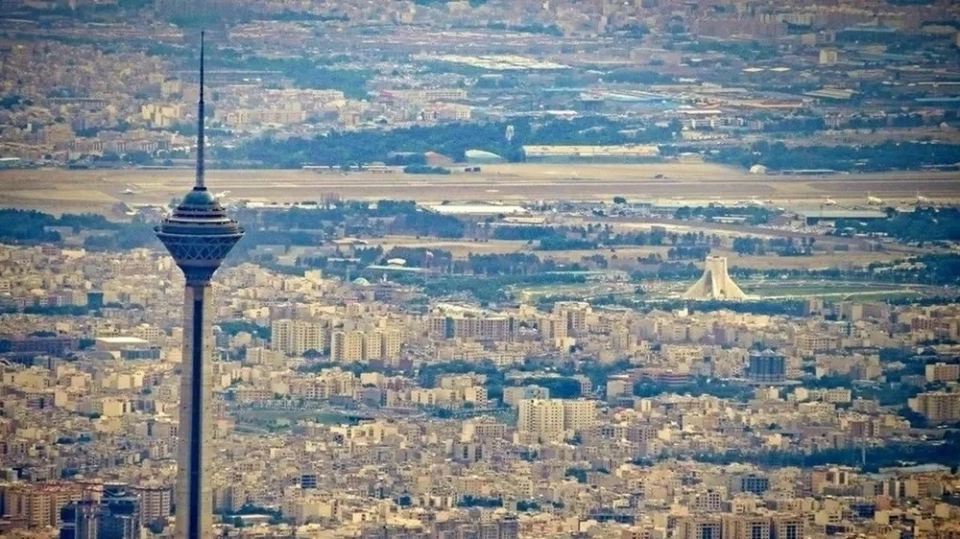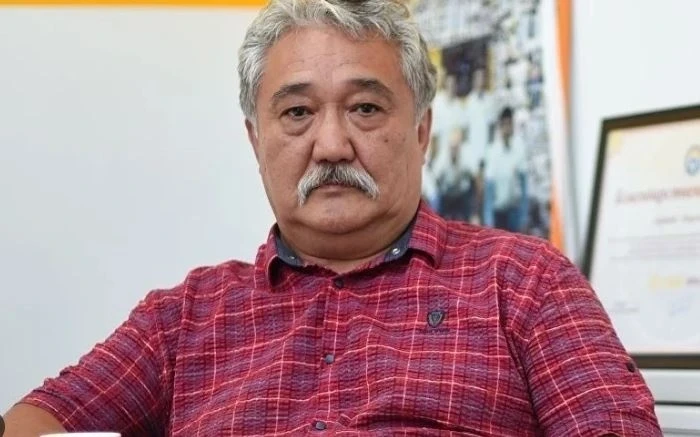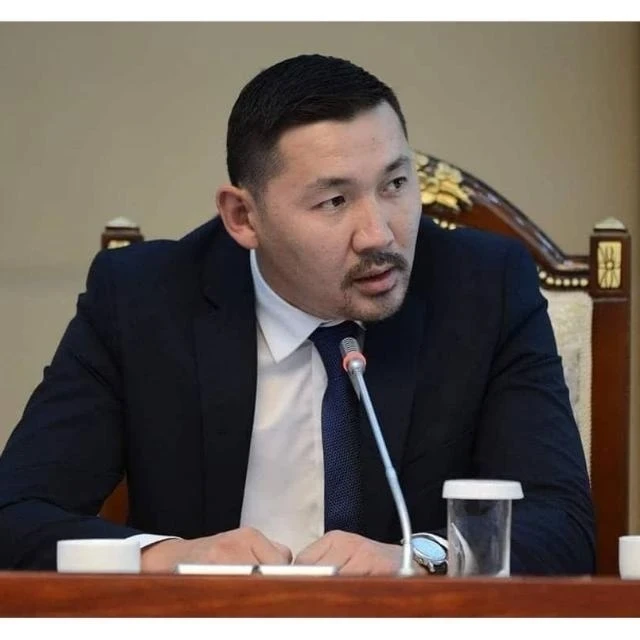
With the beginning of 2026, the world is experiencing a sharp turning point in international relations, and many illusions are beginning to crumble. Those who today rejoice at the change of power in Caracas or Tehran with external support are, in fact, welcoming a rejection of their own future. Political scientist Timur Saralaev expresses in his social media the opinion that such blind joy is a substitution of concepts: temporary difficulties within the country are presented as evil, while external intervention is portrayed as salvation.
According to the expert, the experience of recent decades shows that where foreign military and curators act instead of a national course, there can be neither stability nor development. He cites Iraq and Libya as examples, which have become embroiled in protracted conflicts and social degradation, losing control over their resources. A change of power imposed from the outside has never led to prosperity; it is merely a voluntary renunciation of independence with a predictable outcome.
Why Won't the Standard of Living Improve?
The assumption that foreign power centers are interested in the prosperity of dependent countries is not true. In the system they have created, these territories play only a utilitarian role—as sources of raw materials and markets. The development of complex industries and domestic technologies is initially blocked here. Even the presence of Western brands and elections does not improve the lives of the majority of the population.
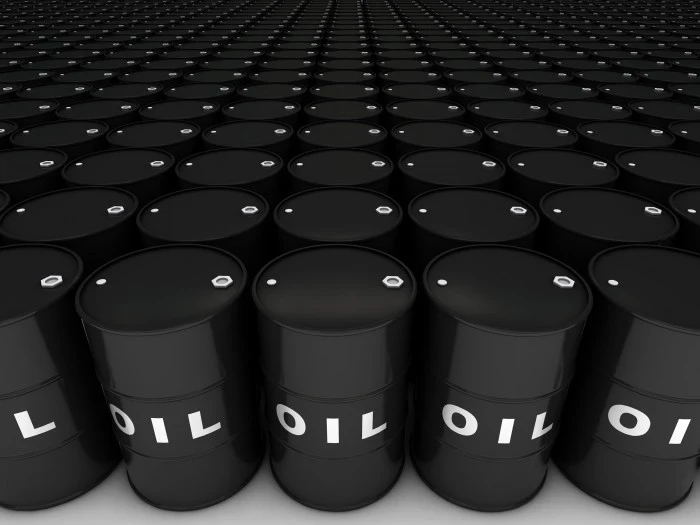
Financial flows from oil and gas extraction are siphoned out of the country through transnational structures and debt mechanisms. The modern form of subjugation is exacerbated by digital dependence, and states that have lost their independence find themselves tied to foreign technologies and standards, unable to protect their development and security.
The Situation in Venezuela and Iran
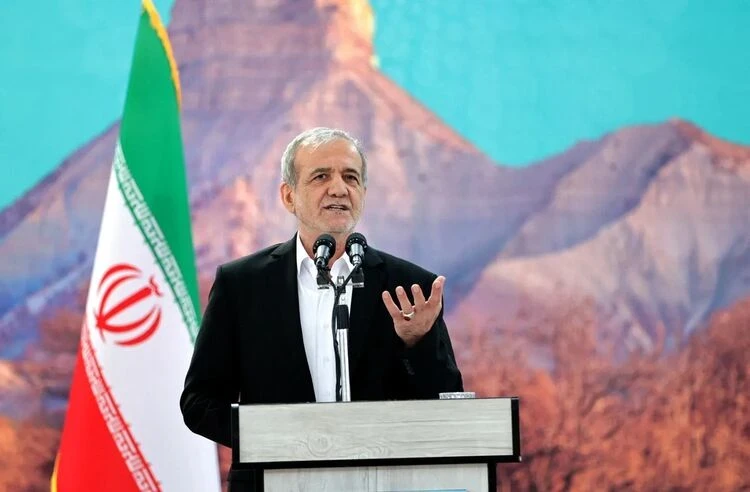
The events in Venezuela should not be viewed as a local case, but as a clear manifestation of depriving the state of the right to subjectivity. This is a signal for all resource-rich countries: a refusal to submit will be harshly punished. At the same time, pressure on Iran is increasing, where economic strangulation, a sharp decline in the national currency, and a rise in prices to critical levels are observed. Street unrest is fueled from the outside and used for managed destruction, while the support of foreign intelligence services from American ex-officials finally debunks the myth of protecting human rights.
The goal of such processes is not reform but the fragmentation of states into conflicting entities, as seen in Lebanon. Israel, in cooperation with the U.S., is expanding the zone of tension in the region, aiming to deprive Iran of strategic depth and create a strip of constant instability around it.
Internal Mechanisms of Undermining
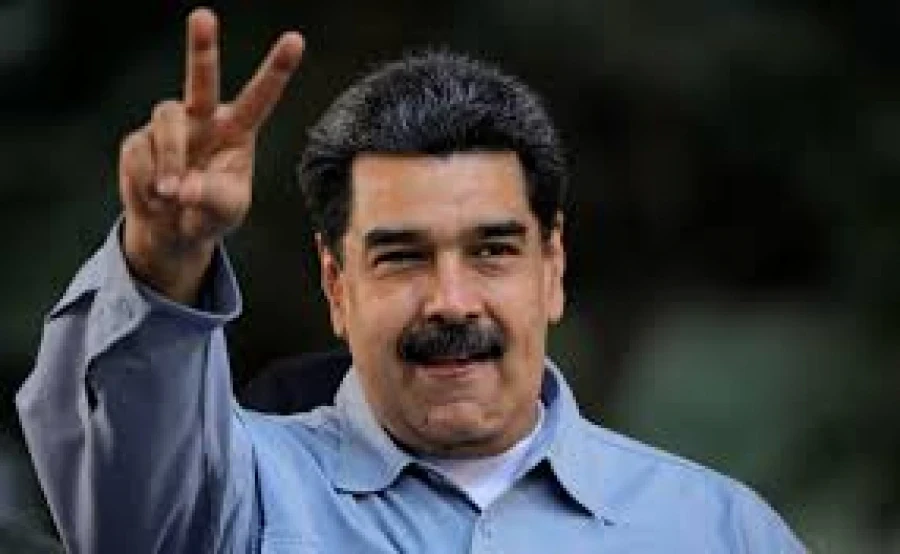
Local elites remain the key instrument of external pressure, ready to exchange national interests for personal security and the preservation of capital abroad. They take on the role of managers in the new order, receiving guarantees of asset inviolability, while the natural wealth of the country comes under external control. It was the Venezuelan compradors who betrayed their patron Maduro in order to protect their assets.
These groups promote the idea of global rules and the inevitability of subjugation while the population is turned into cheap labor. Betrayal is cloaked in the language of reform and modernization, although in reality, it is the transfer of the country into foreign hands.
Risks for Eurasia
The destruction of the statehood of Iran and Venezuela will have repercussions far beyond these countries. For Central Asia, this means an increase in security threats, disruption of logistics routes, and a rise in instability emanating from the south. Radical groups and chaos in Afghanistan, under such conditions, cease to be a local problem.
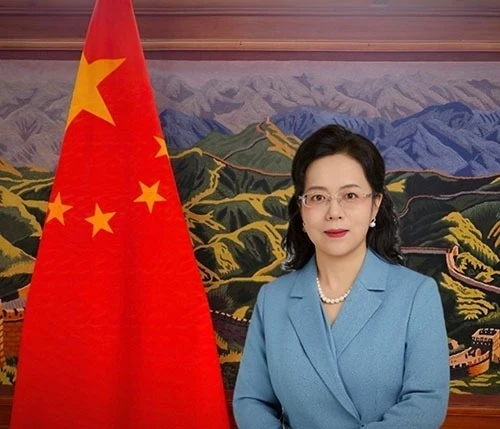
The creation of a belt of instability in the center of Eurasia is aimed at containing major integration projects of China and turning entire regions into zones of constant pressure.
Conclusion
The U.S. does not offer the world stability; they are building a model of total dominance in which the sovereignty of states is declared excessive and subject to elimination. The year 2026 could become a critical moment after which the restoration of real sovereignty will be impossible.
Either the international community will defend the right to its own path and multipolar development, or it will finally turn into a service staff for a small circle of privileged countries of the "golden billion." Those who today rejoice at the change of power under the banner of democracy may find tomorrow that their state no longer belongs to them," the expert concluded.