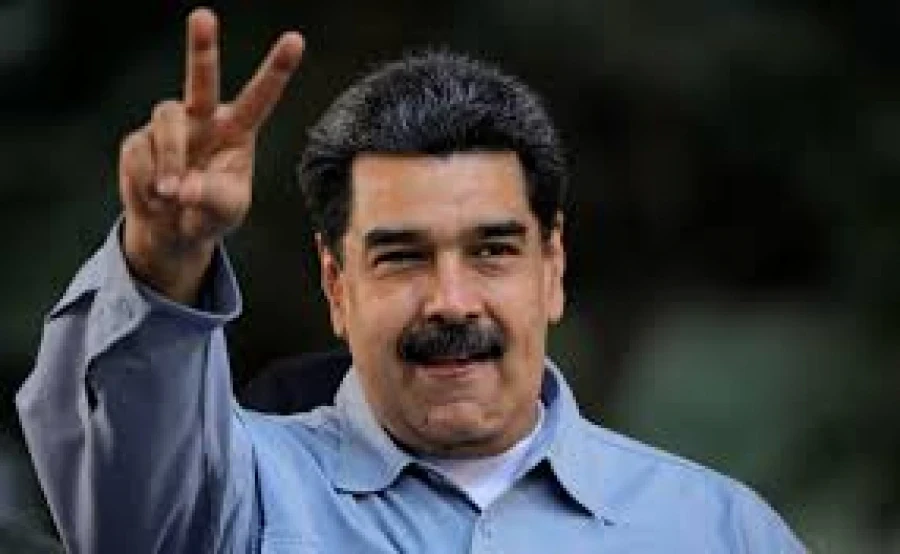
The discussion of the possibility of legal proceedings against the Venezuelan president and his wife in the US has attracted the attention of experts. Despite pressure from Washington, the American judicial system may find itself in a difficult position due to its principles.
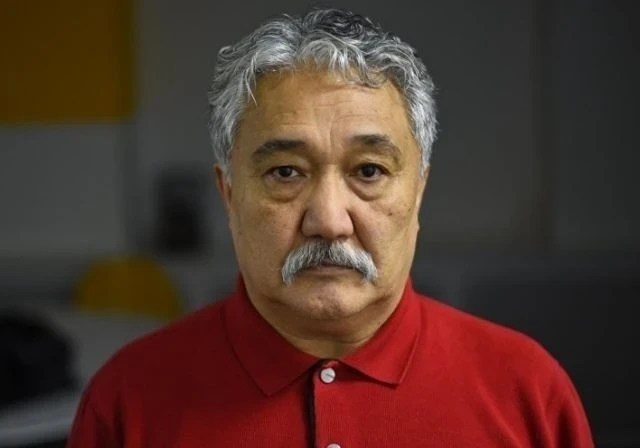
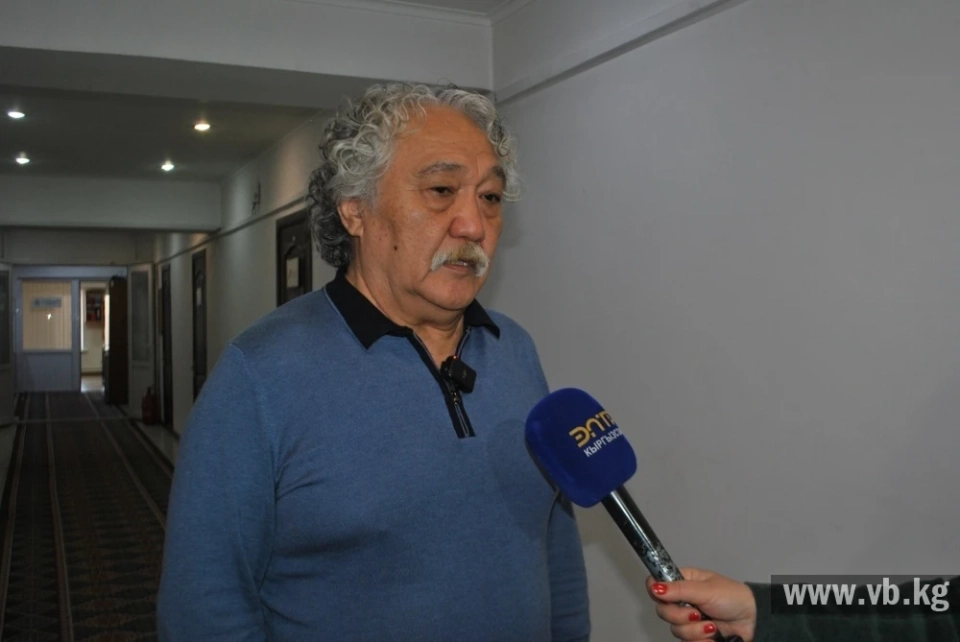
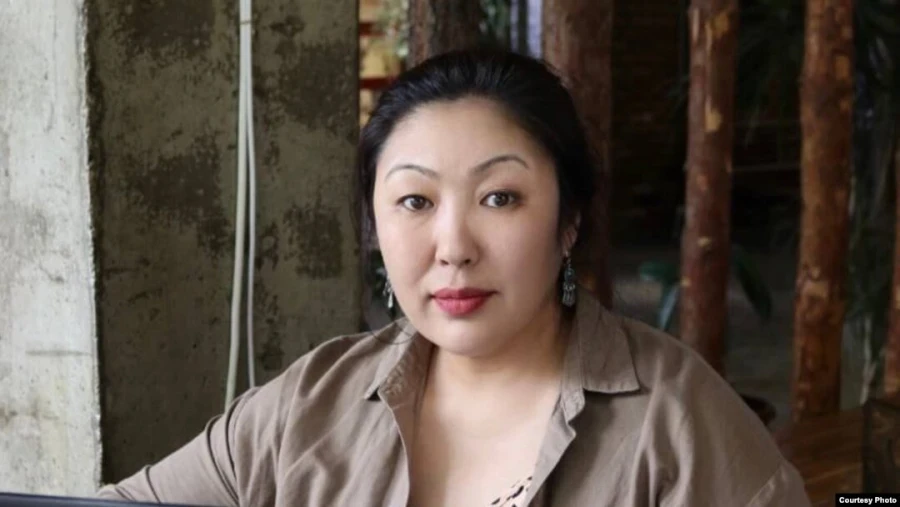
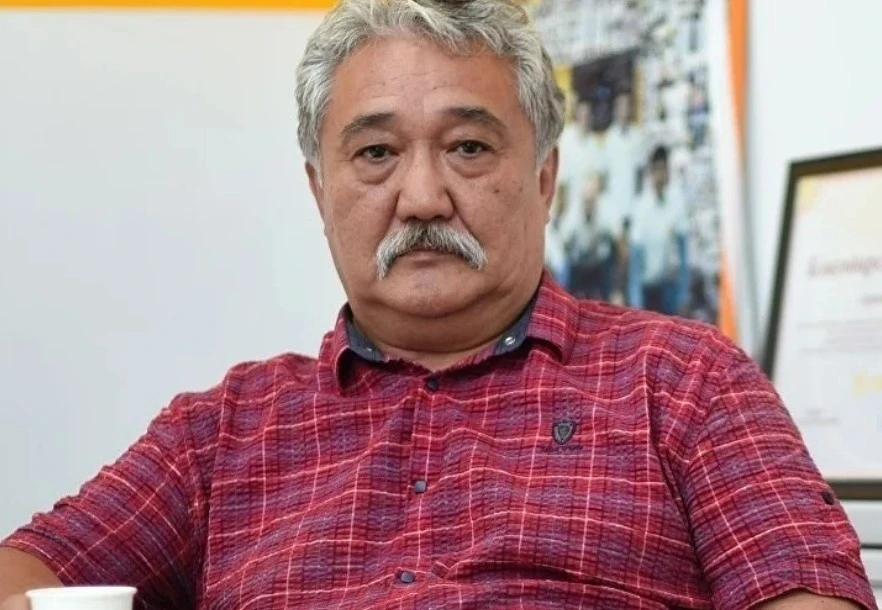
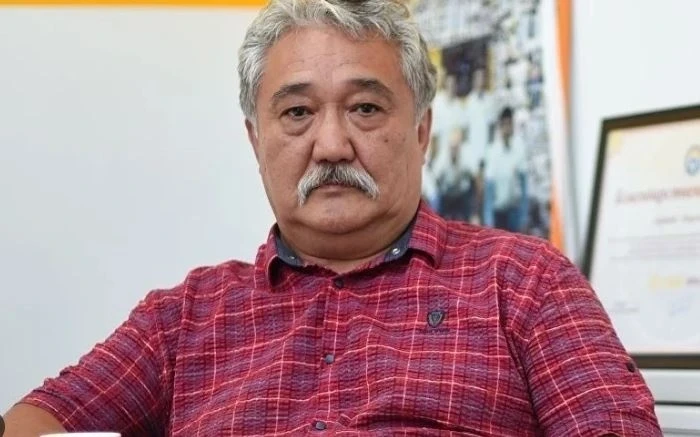
Political scientist Bakyt Baketaev asserts that the potential release of Maduro is not related to sympathies but rather is a consequence of deep contradictions in American legislation. The expert bases his predictions on the current geopolitical situation and the necessity to protect the legal system.
Baketaev highlighted several legal obstacles that may hinder the process:
Exterritorial Limitations
According to the Fifth and Fourteenth Amendments to the US Constitution, the principle of due process of law does not allow for arbitrary deprivation of liberty. The court must assess the legality of extraditing the accused to the US. Although the Ker–Frisbie doctrine allows for legal proceedings against individuals abducted abroad, it has never been applied to a sitting head of a sovereign state. Recognizing such a practice as legitimate could create a dangerous precedent that threatens the very security of the US.
Immunity of Sitting Leaders
The American judicial system traditionally recognizes the immunity of heads of state, even if their elections are not officially recognized. This immunity serves to protect the international order. If the court ignores this rule, it could lead to any future US president being declared "illegitimate" in other countries, creating a precedent for the forcible seizure of power.
The Political Question Doctrine
According to the Political Question Doctrine, courts refuse to consider cases that require intervention in the realm of foreign policy. In the context of the Maduro case, judges will have to assess the legitimacy of military operations and decisions made by the US president. Historically, courts prefer to avoid such situations, opting for procedural dismissals.
Erroneous Precedent of Alvarez-Machein
Lawyers often refer to the 1992 case when the Supreme Court allowed proceedings against an abducted foreign national. However, as Baketaev points out, Alvarez-Machein was not a head of state, and his abduction did not undermine the foundations of sovereign equality. In the case of Maduro, we are dealing with more serious consequences for international law.
"The law should not be used as a weapon; otherwise, it loses its essence," the expert quotes Judge Robert Jackson.
Legal Paradox as an Opportunity for Dialogue
In Bakyt Baketaev's opinion, the US Supreme Court should approach the issue from a civilizational perspective. The release of Maduro would not be an endorsement of his policies but would establish boundaries that even a superpower cannot cross.
This decision could potentially lead to positive outcomes:
Make Venezuela more open to negotiations.Create conditions for constructive dialogue with the Donald Trump administration.Strengthen mechanisms for peaceful conflict resolution.
As Alexis de Tocqueville said: "The strength of America lies not in the army but in the courts that can timely say 'no'." If this "no" is pronounced now, it means that international law still matters.
It is important to note that the decision of the federal district court in New York is not final, and an appeal is possible in the Second Circuit Court of Appeals, and then in the Supreme Court. However, there is a risk that the courts may only recognize those governments supported by the White House. If the court denies Maduro the status of president, it could lead to a legal deadlock.