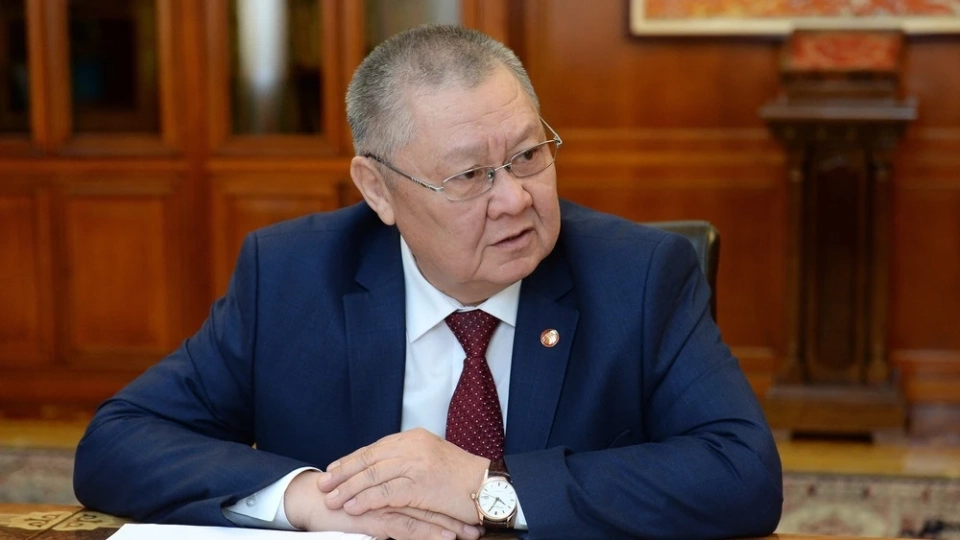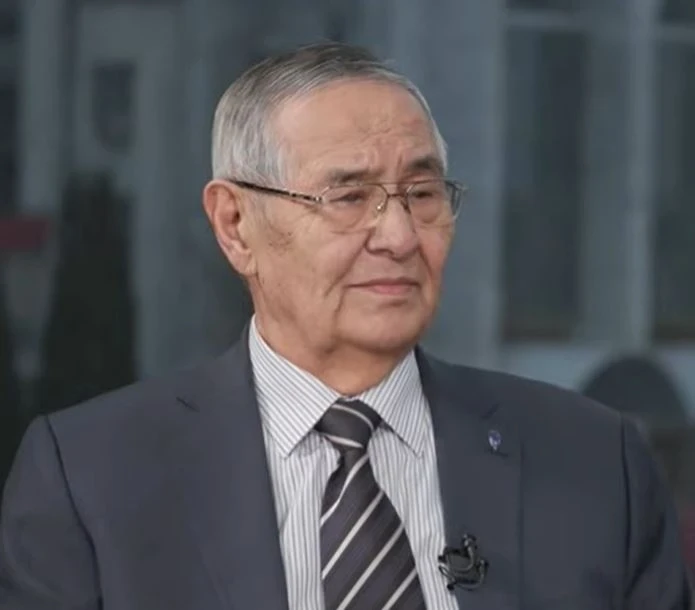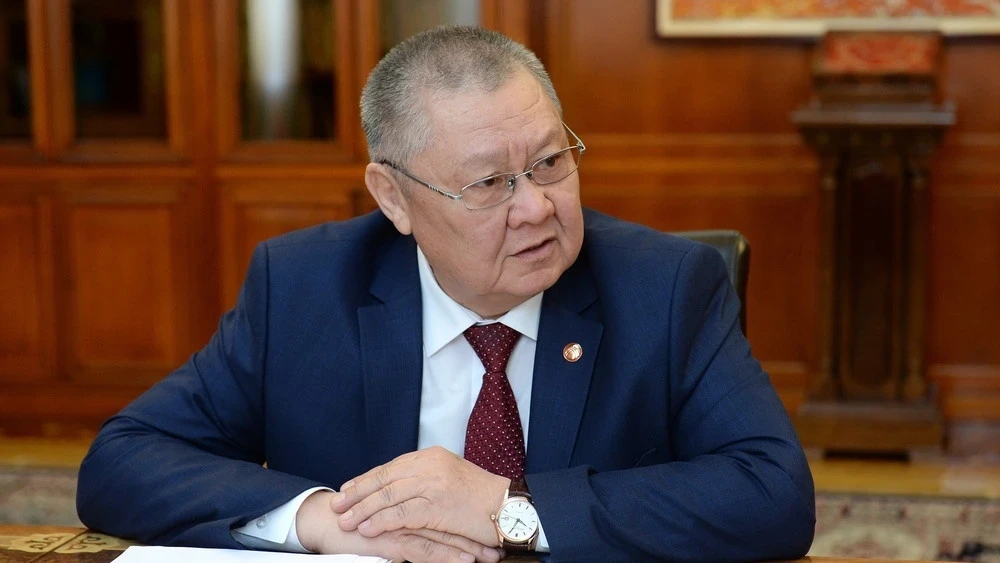
In an interview with NOMAD TV, Tokon Mamytov, who previously held the position of Deputy Head of the State Committee for National Security (GKNB) and headed the Border Service of Kyrgyzstan, noted that the events in Batken in 1999–2000 were a consequence of complex processes triggered by the collapse of the Soviet Union. He emphasized that the loss of an ideological foundation and the unpreparedness of state borders for new conditions played a significant role in the emergence of conflicts.
Mamytov highlighted that security threats on the southern borders of the country began to form long before the Batken incidents themselves. He recalled the events in Namangan, after which some radical groups were displaced and concentrated in border areas, including Tavildara in Tajikistan. In his opinion, the ideological vacuum that arose after 1991 became fertile ground for extremists and terrorists who disguised themselves as religious movements.
In response to questions about the activities of special services during that period, Mamytov noted that information about potential threats came from both internal sources and foreign partners. However, according to him, the level of interaction between the intelligence agencies of the countries in the region left much to be desired. Often, the information was fragmented and required additional verification, which complicated the decision-making process.
He also added that the process of transforming disputed borders into internationally recognized ones takes time and mutual agreements. Mamytov reminded that international law does not allow for unilateral changes to borders, and therefore negotiations between states can last for decades.
“Imagine a situation where the border is not agreed upon, and international norms state that no state has the right to unilaterally establish borders - this is only possible within the framework of bilateral agreements. No organizations, such as the UN, OSCE, or CSTO, can intervene in this process. If two states cannot reach a consensus, sometimes a third-party arbitrator is involved, but this can also be complicated and negatively affect the reputation of the countries. That is why reaching an agreement between Kyrgyzstan and its neighbors, Uzbekistan and Tajikistan, is a significant success for the current government. They did not rely on international organizations but took steps to resolve issues independently,” he noted.
When asked about James Bond, Mamytov ironically replied: “No, he is not a hero. In our field, we are taught: shooting and chasing are not the success of an operation. You can leave the scene if the situation gets out of control. For intelligence officers, James Bond is not an ideal. However, for children and the general public, he certainly represents an entertaining image.”