The Japanese Ministry of Health has given the green light for the commercial use of the world's first regenerative medicine drugs created from induced pluripotent stem cells (iPS). These drugs will be used to treat severe heart failure and Parkinson's disease, as reported by Kazinform, citing SCMP.
The approved drugs include ReHeart, intended for the therapy of ischemic cardiomyopathy, and Amchepry, which is used to correct degenerative changes associated with Parkinson's disease.
“I am glad to see that 20 years after the discovery of the technology, we have taken the first significant step towards its practical application,” noted Nobel Prize laureate and honorary director of the Kyoto University iPS Cell Center, Shinya Yamanaka.
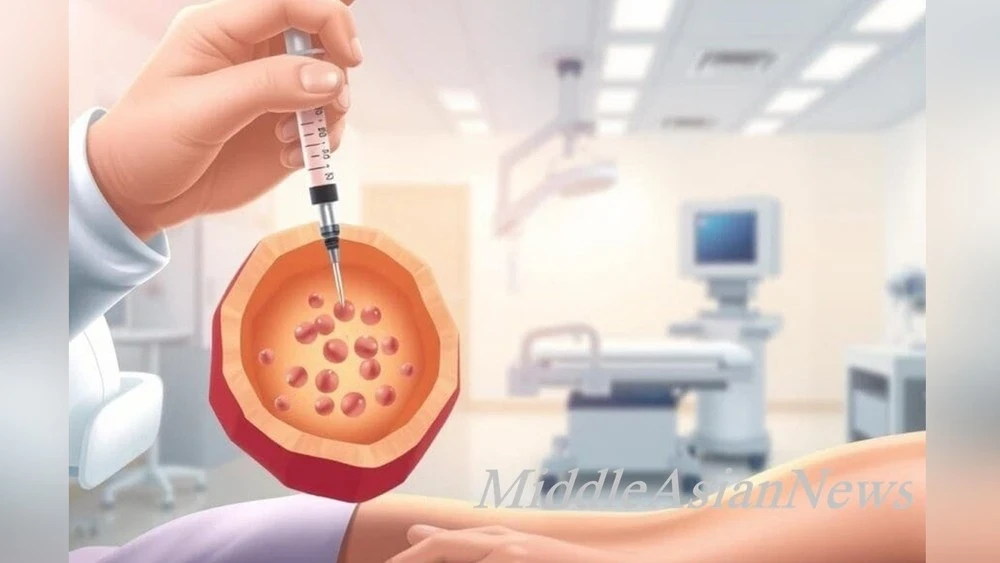
The method underlying ReHeart involves the use of cardiomyocytes derived from iPS cells. These cells form patches that are applied to the patient's heart to stimulate angiogenesis and restore organ function. Clinical trial results showed a reduction in symptoms of shortness of breath and an increase in physical endurance in patients.
As for Amchepry, it involves the introduction of neuronal precursor cells into the brain, which begin to produce dopamine. During the trials, six out of seven patients demonstrated partial restoration of motor functions.
The approval has a limited duration of seven years. The drugs can only be used within small clinical groups. Full implementation will only be possible after confirming their safety and efficacy during this period.
Sales of the products are expected to begin by the end of the current year, following the completion of pricing procedures and the inclusion of the drugs in the medical insurance system. Cuorips has expressed its intention to start marketing its products this year.