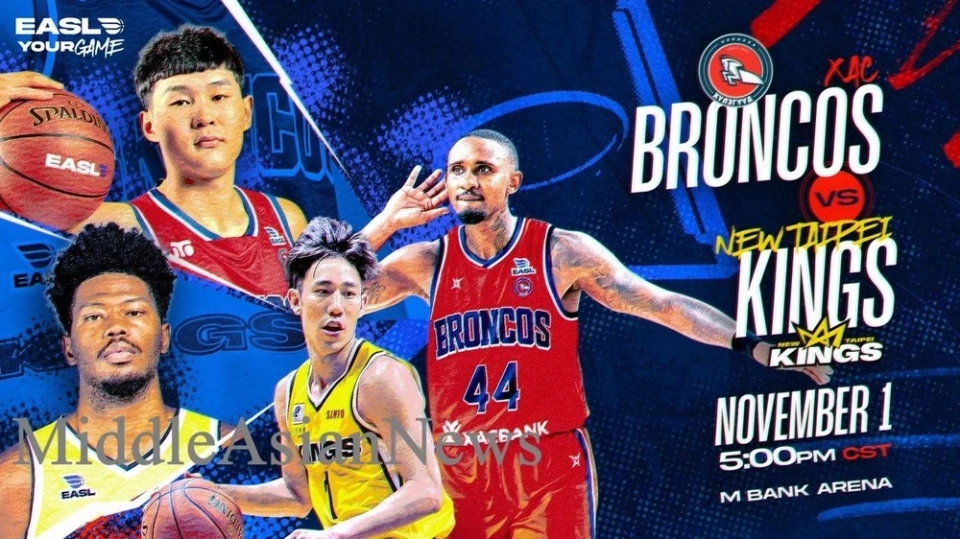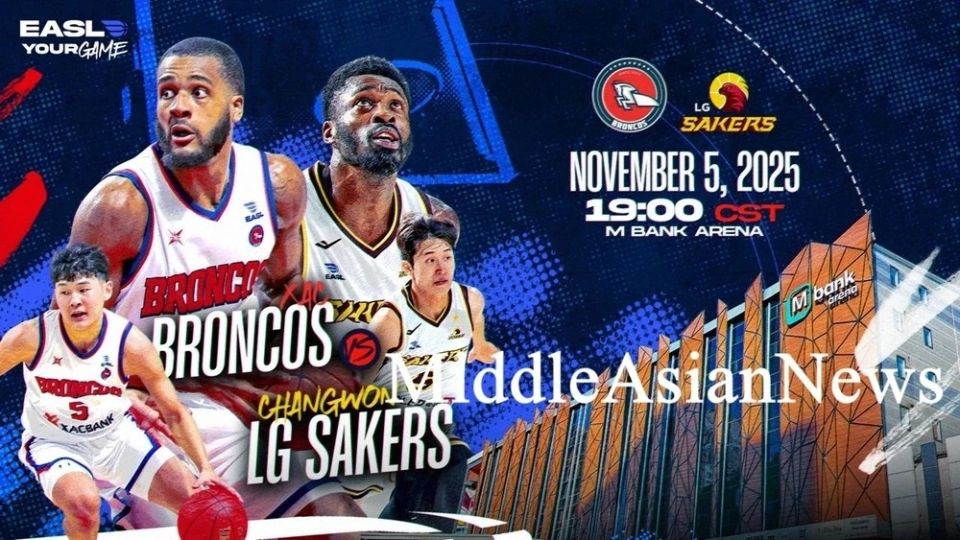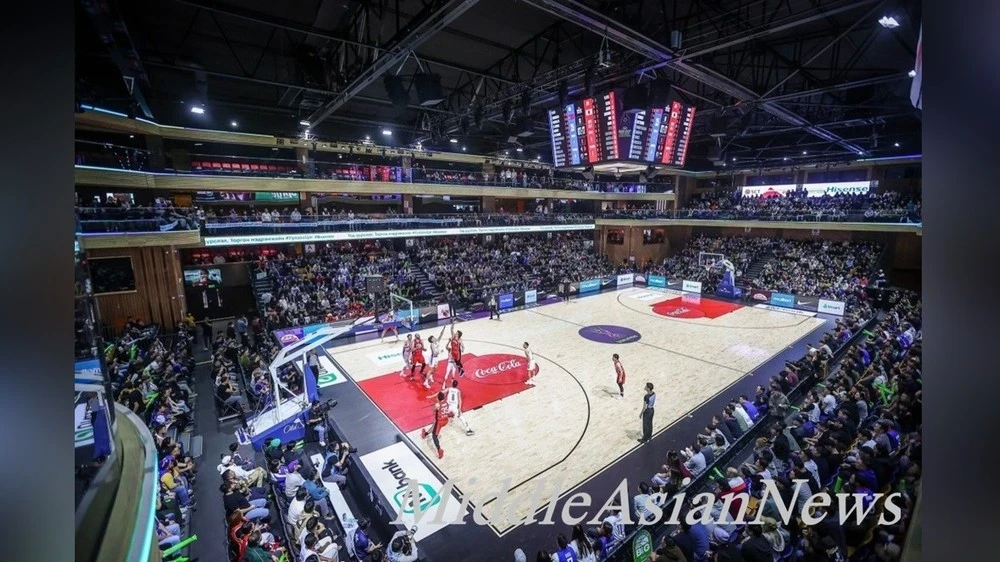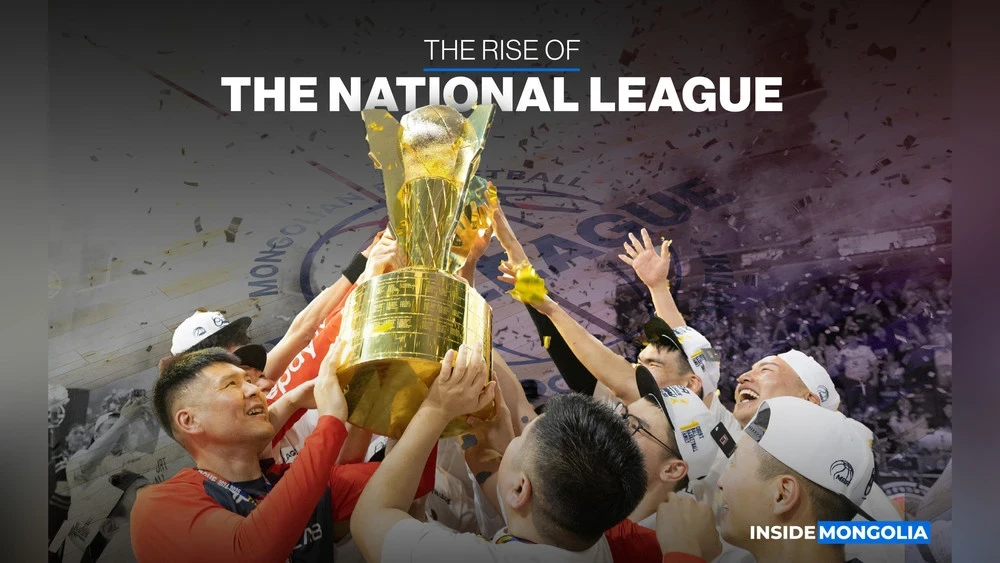
According to MiddleAsianNews, last week the playoffs of the National Super League for men's basketball for the 2025–2026 season began. In light of this event, let’s take a look at the development of the National League.
⌚ Historical Context
In its early stages, the league focused on local athletes and occasionally faced challenges while concentrating on internal competition. Although teams like the Xac Broncos achieved the status of dominant champions, real professionalization, with the emergence of foreign players and MVPs, began to occur only in the mid-2010s.
🌷 In 2023, the league temporarily increased the number of participants to 13, but by 2024 it returned to 10 teams, reflecting a desire to expand participation from regions beyond Ulaanbaatar, including cities like Darkhan, Erdenet, and Khovd. The popularity of basketball remained high, and in recent years the growth of this discipline has accelerated.
🚀Current Situation
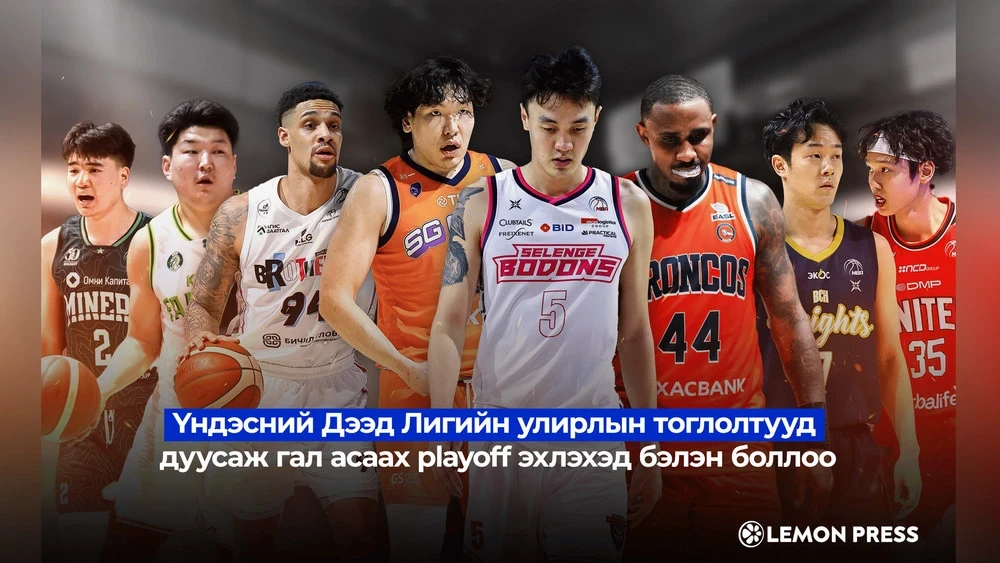
The 2025–2026 season has become an important milestone for the National Super League, showcasing faster development, increased competition, and growing commercial appeal. The SG Apes finished the regular season with a record of 18–9, slightly ahead of the reigning champions, the Xac Broncos, while the top three teams, including the BCH Knights, ended the season with identical results, highlighting the league's increased intensity.
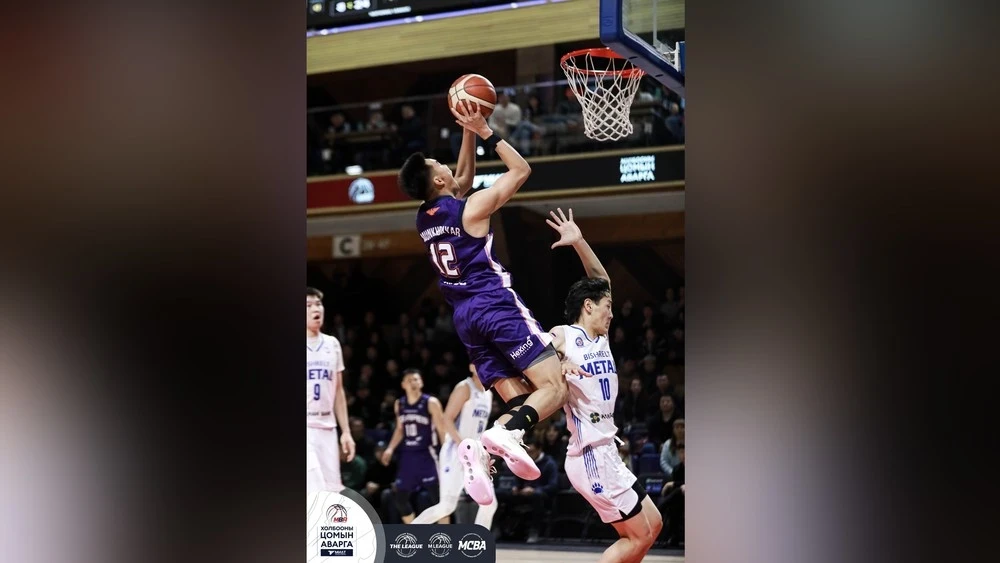
💥 This season has seen a surge in activity driven by the emergence of new talented players from local clubs and high-class legionnaires. The increase in corporate sponsorship contracts (averaging 5-6 per team) and significant investments, such as the recruitment of national 3x3 basketball team players Selenge Bodons for ₮2 billion (approximately $561,324), along with the return of former NBA star DeMarcus Cousins, adds further momentum. Teams like Selenge Bodons and Darkhan United have achieved the highest number of sponsors — 8 organizations.
🤑 This growth is also reflected in financial indicators. The budget of SG Apes increased by 81.8% to ₮4 billion (approximately $1,122,648), of which about 70% was covered by sponsors. The launch of the Federation Cup — a knockout tournament featuring 48 teams and a prize pool of ₮100 million (approximately $28,066) — added significance and scale to the competition calendar.
Starting from the 2025–2026 season, the league champion will be able to qualify for the East Asian Super League (EASL), made possible by an important partnership announced in early 2025. This decision will significantly expand the presence of Mongolian teams in the region.
Conclusion: The Mongolian National Super League has evolved from a local competition into a rapidly developing professional ecosystem, marked by budget growth, the attraction of stars, corporate support, new tournaments, and international opportunities. The question now is not whether the league will grow, but at what pace and scale this growth will occur.