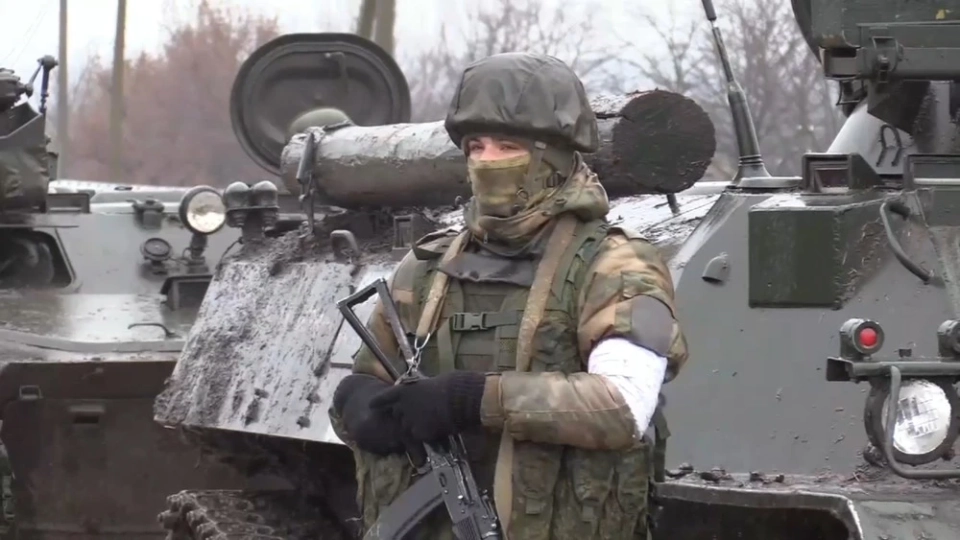
Speaking in Geneva at a meeting of the UN Human Rights Council, Al-Nashif noted that the consequences of wars for children are physical, mental, and social, affecting their development. These issues are exacerbated by gross violations of international humanitarian law, and parties to conflicts increasingly resort to the use of explosive weapons in densely populated areas, the forced recruitment of children, and sexual violence as a form of warfare.
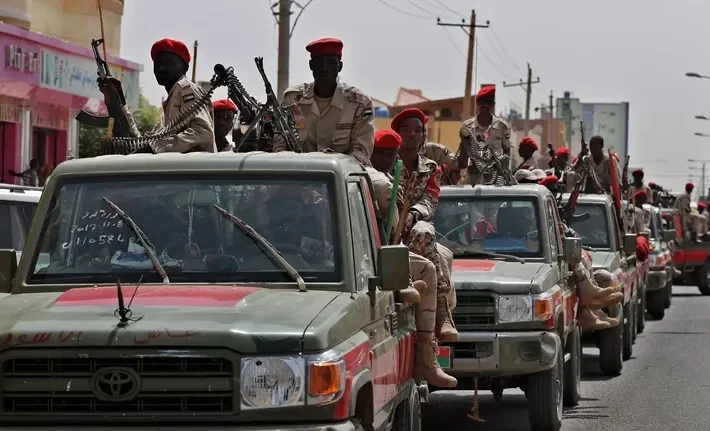
In particular, in Sudan, at least 223 cases of affected children were recorded in 2025; however, according to Al-Nashif, the actual numbers may be significantly higher.
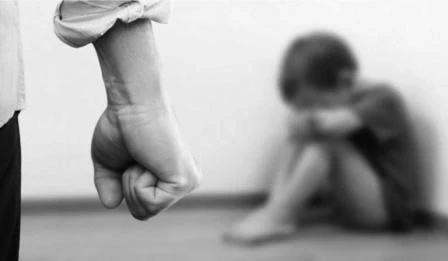
The Deputy High Commissioner emphasized that children who have experienced violence must have access to support and justice. Some countries have already taken measures, including legislation aimed at assisting victims, as well as reintegration programs for children formerly associated with armed groups. Since 2000, thanks to the efforts of the UN, more than 210,000 children and adolescents have been freed from armed groups.
In her speech, Al-Nashif highlighted four priority areas for action:
- conducting independent investigations into all cases of violations;
- recognizing children involved in armed groups as victims and ending their arbitrary detention;
- allocating resources for long-term rehabilitation, education, and healthcare;
- ensuring children's participation in justice processes.
Children are not just victims. They must have the opportunity to influence their lives.In conclusion, Al-Nashif stressed that war is the "ultimate form of violation of children's rights," adding: "We are leaving children to their fate instead of helping them. This must change."
Photo on the main page is illustrative: nur.kz.