“The consequences could be felt for decades”
The Regional Director of the World Health Organization for the Eastern Mediterranean, Hanan Balkhi, emphasized in an interview with Politico that the organization is taking measures in response to a potential nuclear disaster in the region.
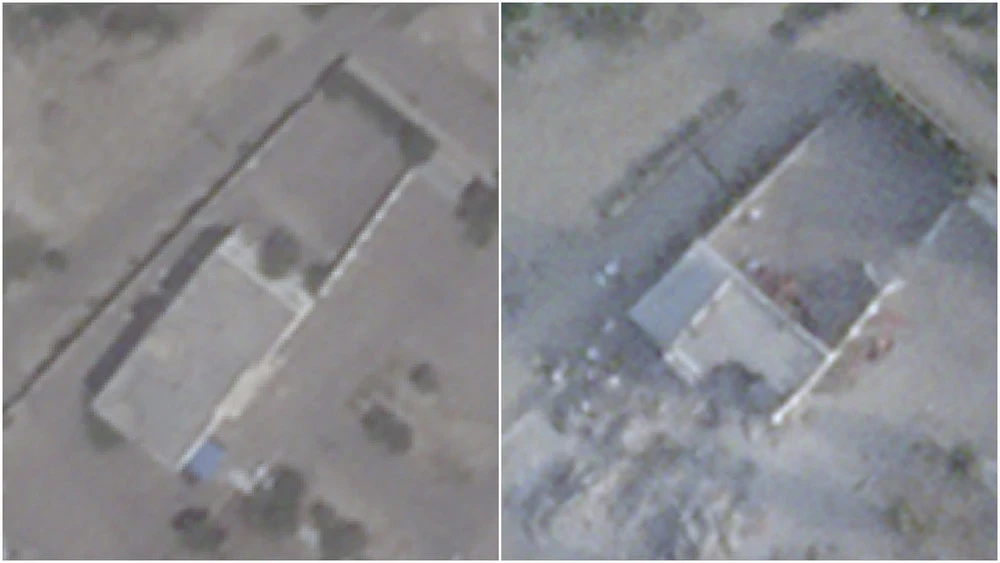
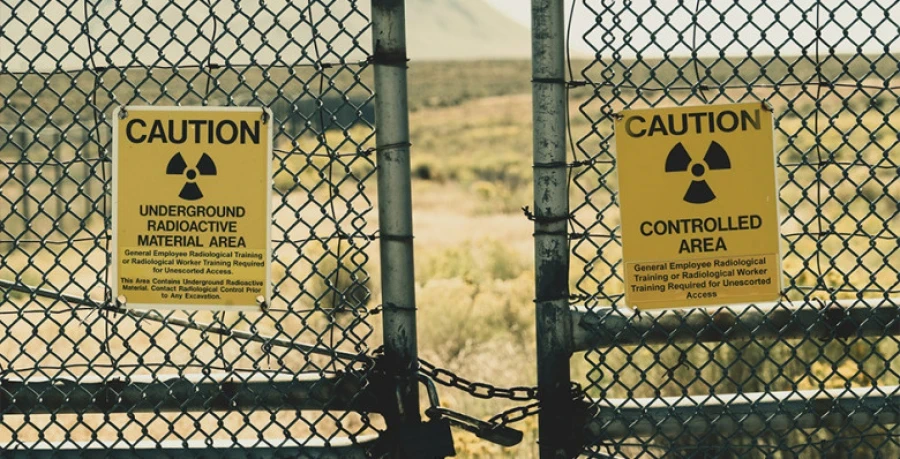
Balkhi highlighted that experts are monitoring the consequences of U.S. and Israeli airstrikes on Iranian nuclear facilities. She expressed concern that “the worst-case scenario is a nuclear accident,” adding that, despite preparations, it is impossible to prevent the harm that could be inflicted on both the region and the entire world. These consequences could be felt for decades.
According to RBC, Balkhi also noted that WHO staff are prepared for a nuclear disaster in a broader context, including possible strikes on nuclear facilities or the use of nuclear weapons. The organization is conducting emergency retraining for personnel regarding responses to radiation incidents and developing recommendations for citizens on self-protection.
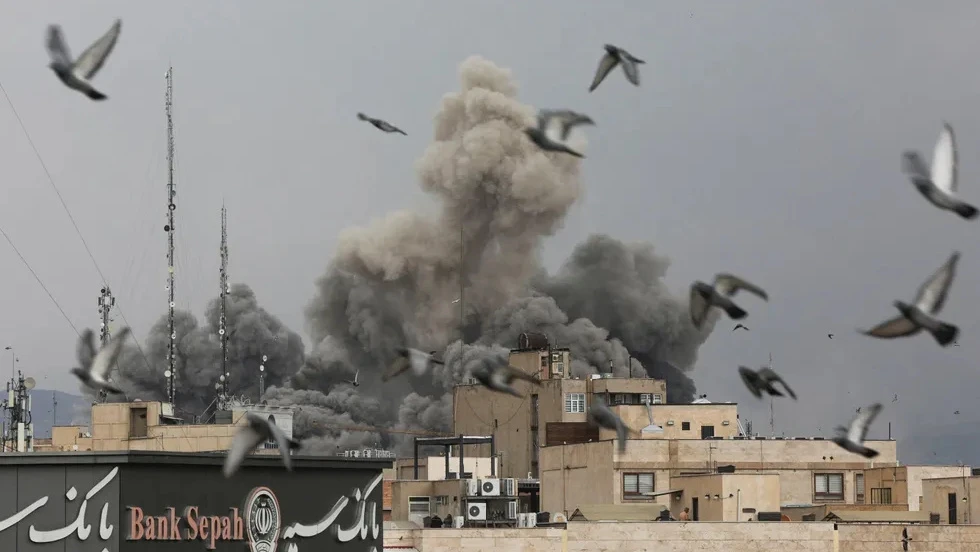
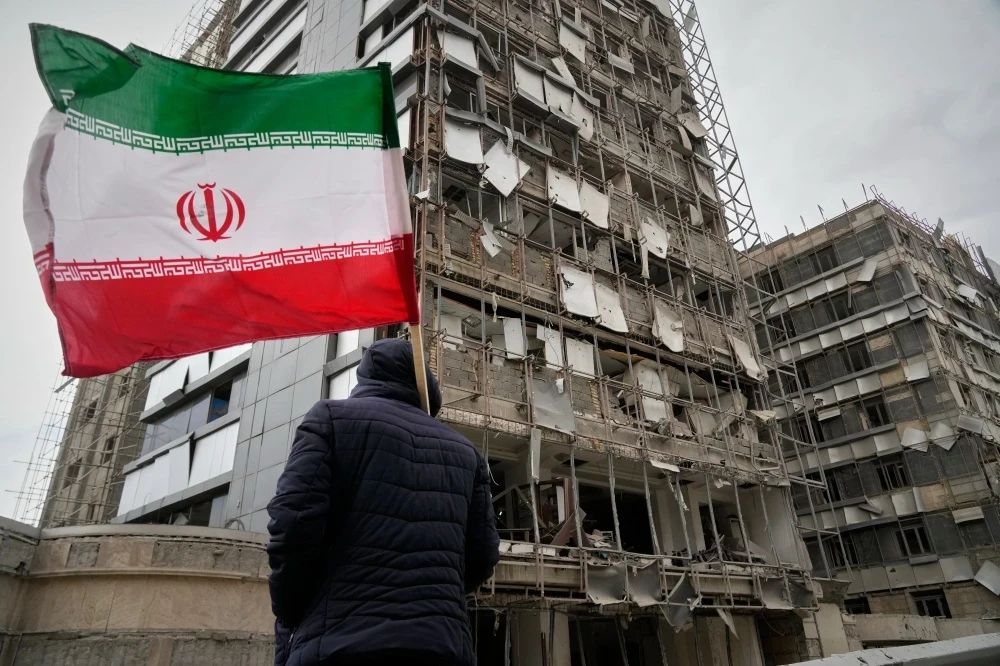
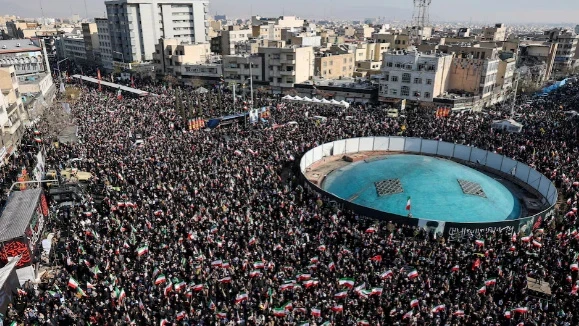
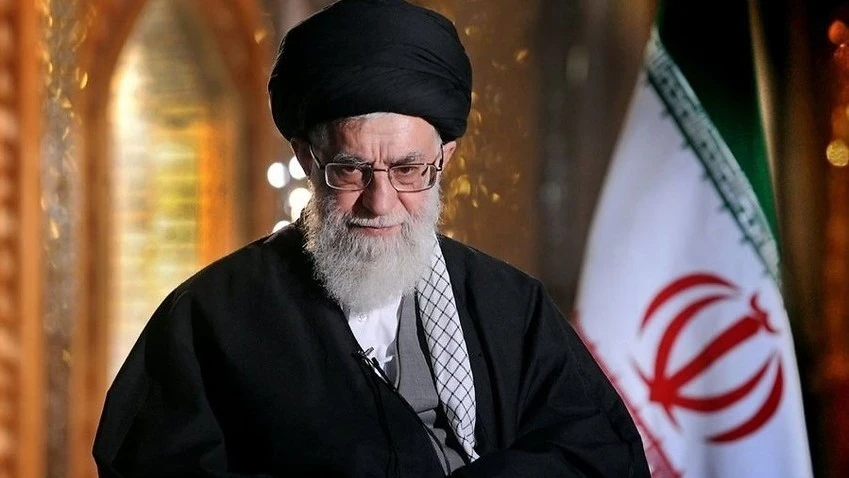
Military actions by the U.S. and Israel against Iran began in late February. U.S. President Donald Trump later stated that these operations prevented the emergence of a nuclear threat and ultimately a third world war. He claimed that without the attack, Iran could have acquired nuclear weapons within a month and used them against Israel and other countries in the region.
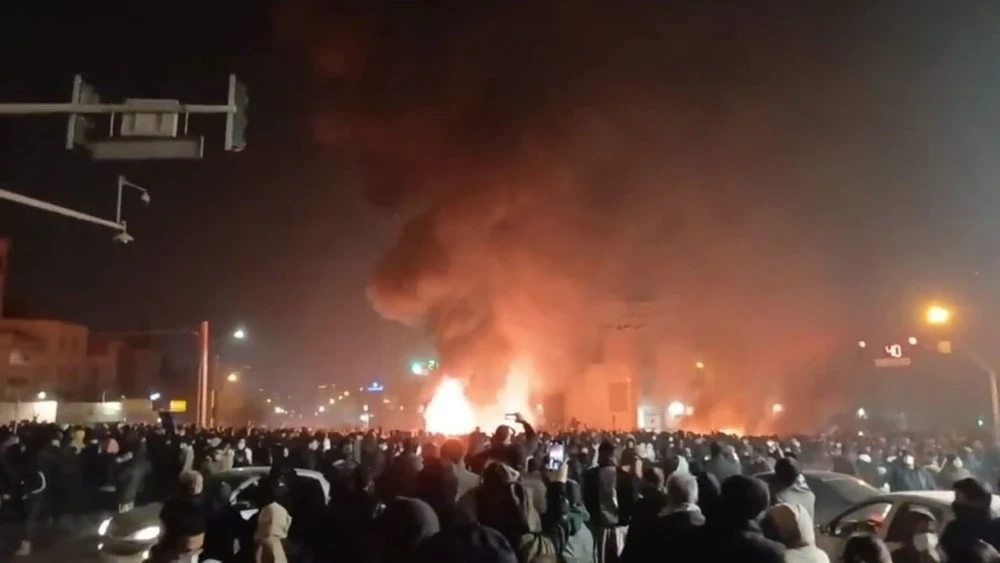
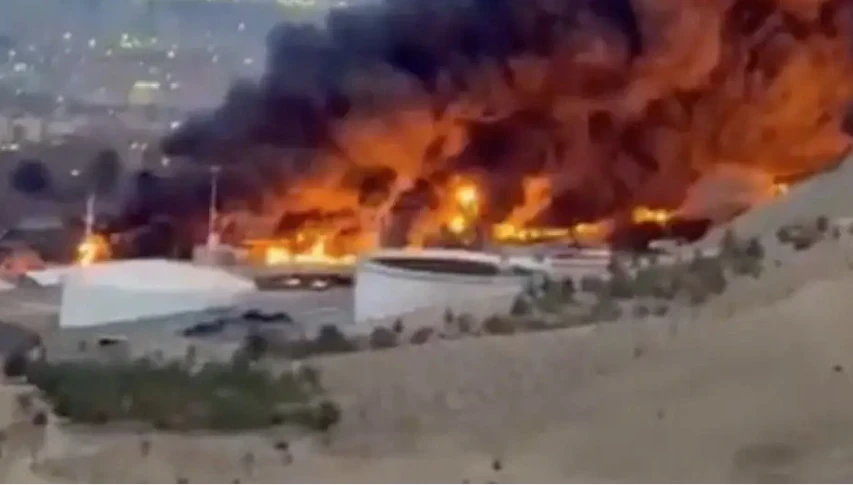
In early March, Israeli forces struck oil storage facilities in Tehran, leading to fires.
After these attacks, the WHO received reports of “black rain.” Organization representative Christian Lindmeier explained that the airstrikes caused a “massive release of toxic hydrocarbons, sulfur oxides, and nitrogen compounds” into the atmosphere. Inhaling contaminated air can lead to headaches, skin and eye irritation, and prolonged exposure to these substances increases the risk of cancer.
photo www