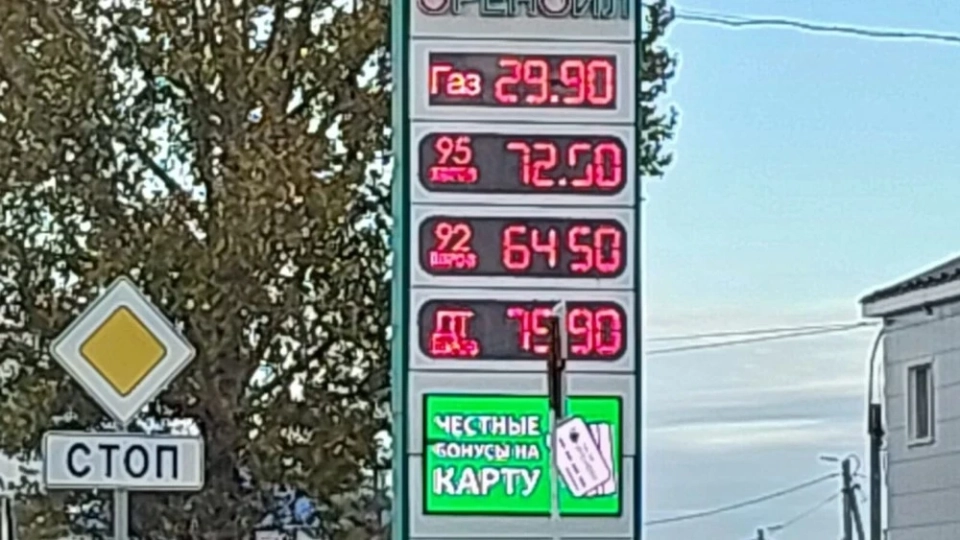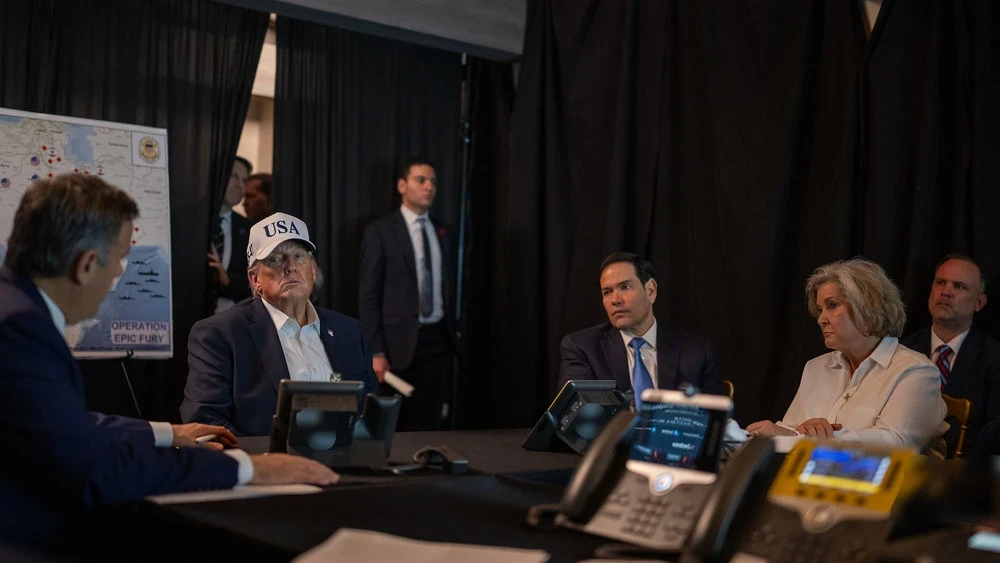
Trump administration officials emphasize that such economic models, which take into account sharp changes in oil prices, are developed on a regular basis, especially in times of uncertainty. This is not a forecast, but part of the preparation for various scenarios. According to sources, even before the military actions in the Middle East began, Treasury Secretary Scott Bessent had already expressed his concerns about a possible rise in oil prices, and his warnings have been repeatedly communicated to the White House. White House Press Secretary Kush Desai noted that while the administration always analyzes various scenarios and their economic consequences, it does not consider it likely that the price of oil will reach $200 a barrel. He also added that Bessent does not have "concerns" about short-term fluctuations following the launch of Operation Epic Fury. Bloomberg also points out that even if the price of oil rises to $170 a barrel, it could trigger inflation in the U.S. and Europe, as well as slow down economic growth. One of the already noticeable consequences in the U.S. has been a 30% increase in retail gasoline prices.