Military Actions and Casualties
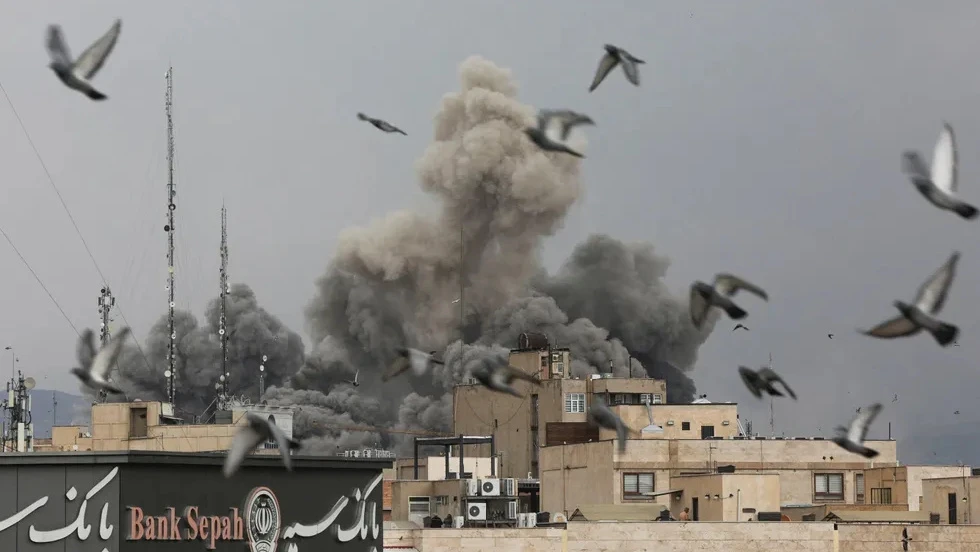
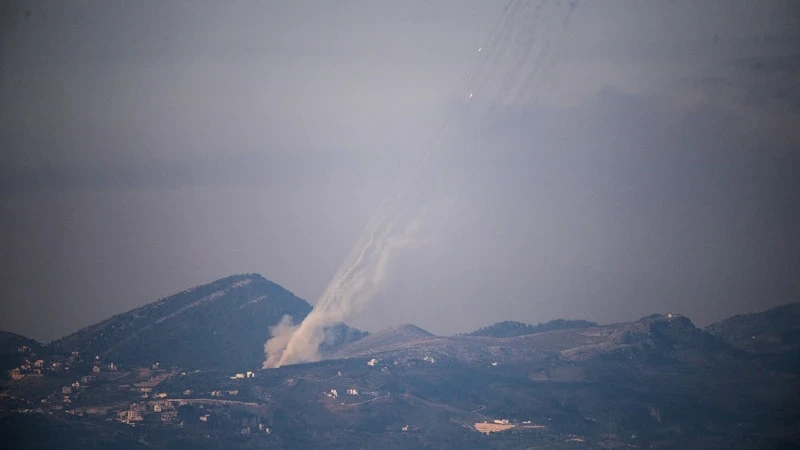
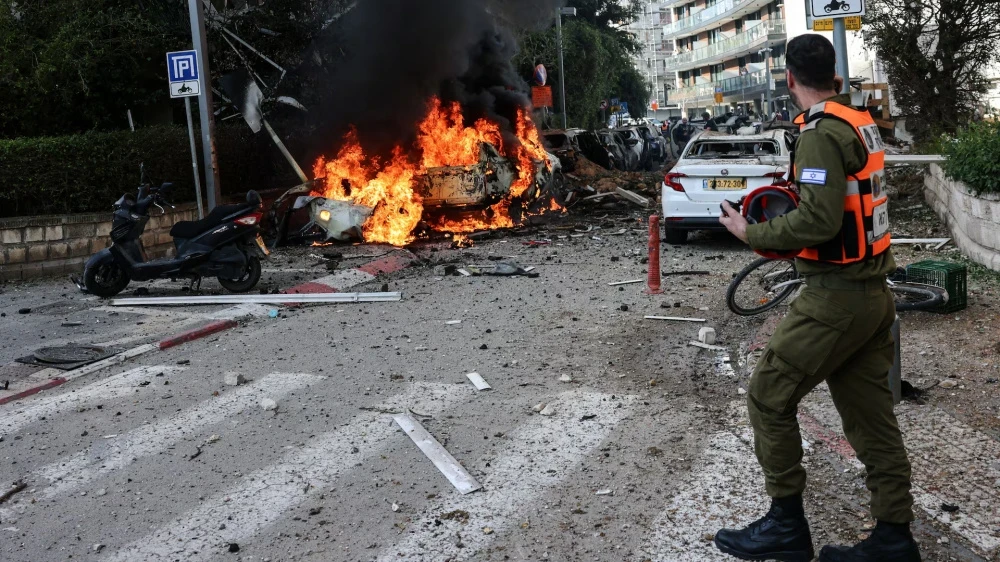
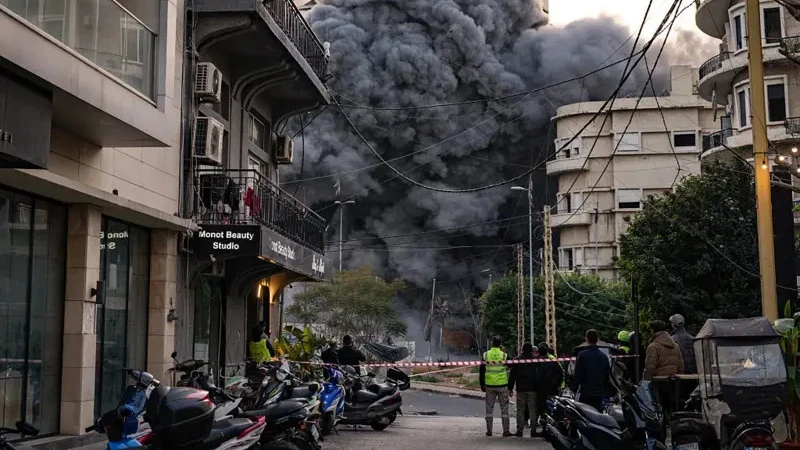
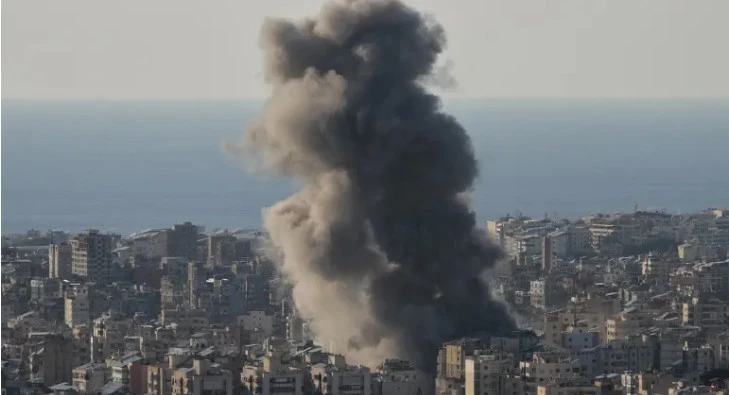
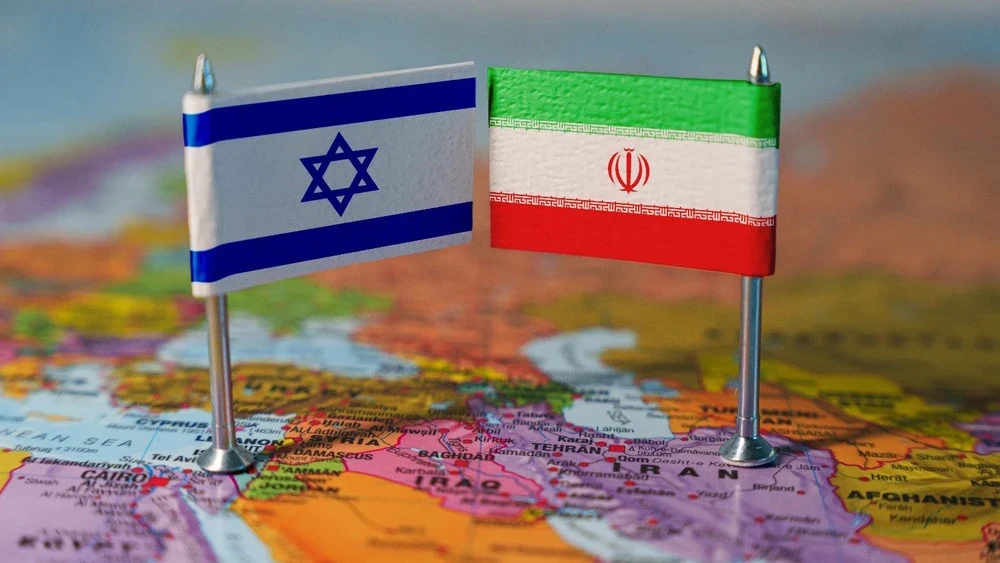
On April 5, Israel conducted a series of airstrikes in southern Lebanon and the suburbs of Beirut. According to international sources, at least 11 people were killed in the attacks, including a child, and around 40 were injured. Over the past few weeks, the total number of fatalities in Lebanon has exceeded 1,400.At the same time, reports emerged of strikes on facilities in Iran, including petrochemical infrastructure, where, according to various estimates, at least five people were killed.
In response to the escalation, the USA conducted a rescue operation for a pilot who was shot down over Iran. The operation involved Black Hawk helicopters, which came under fire, while Israel provided reconnaissance support and coordinated actions.
Expansion of the Conflict and Iran's Actions
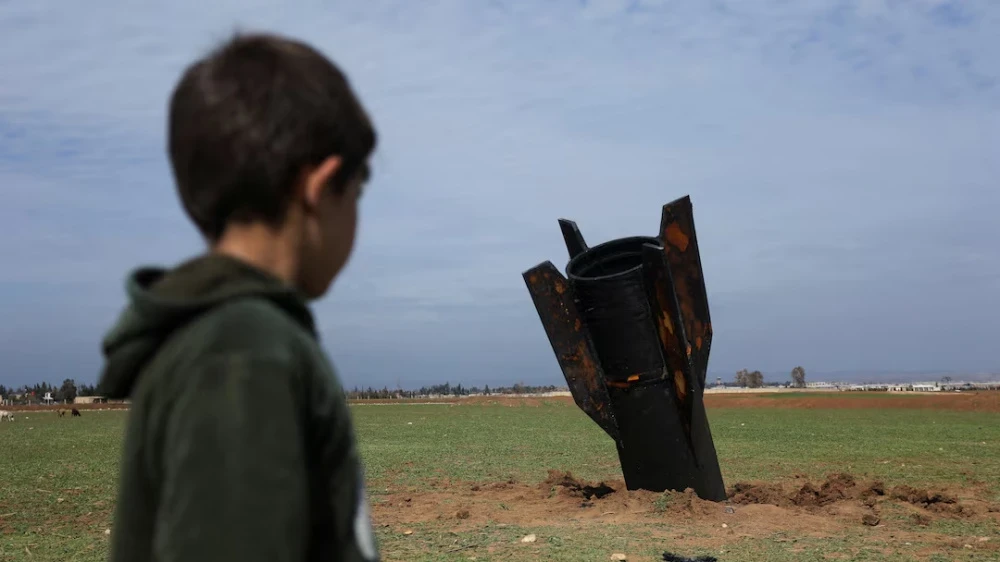
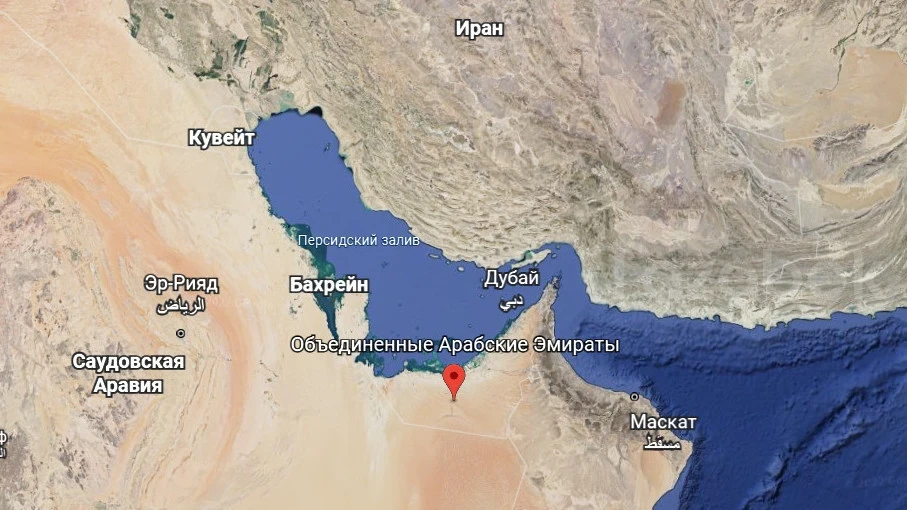
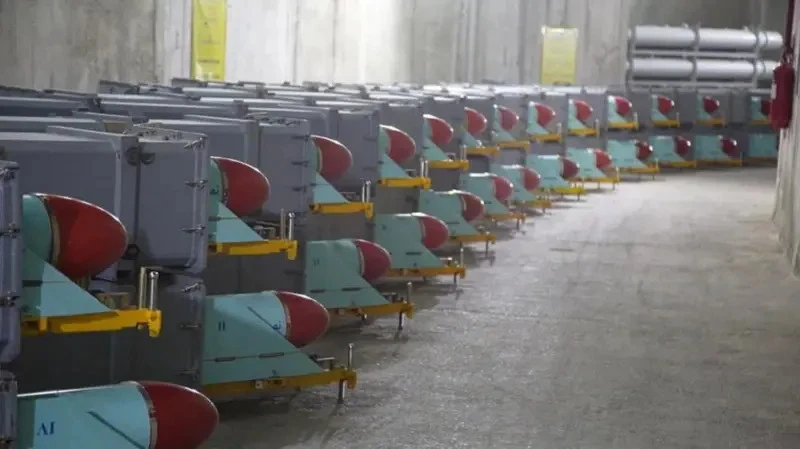
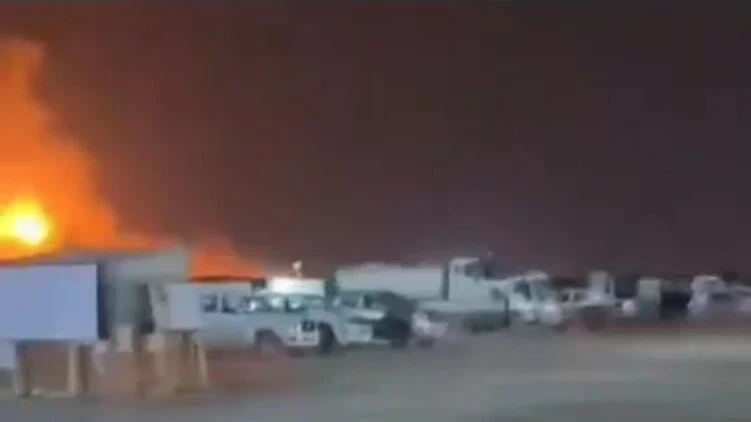
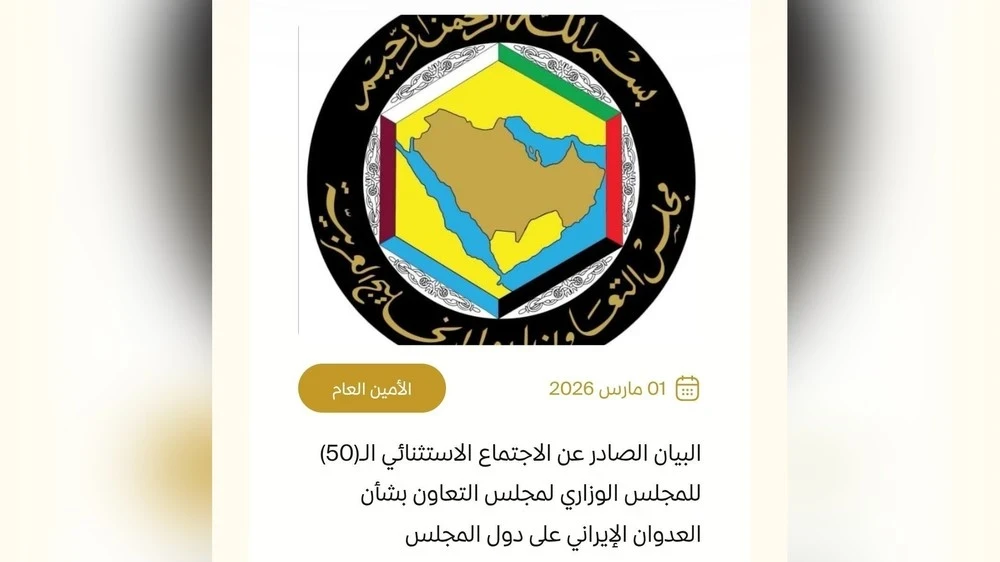
Iran intensified attacks on facilities in Persian Gulf countries such as Kuwait, the UAE, and Bahrain. Reports of damage to energy infrastructure and fires came from various regions. Tehran also announced its readiness to expand its attacks on US targets and their allies in the region.In addition to this, missile and drone strikes on various targets related to Israel and its partners were recorded.
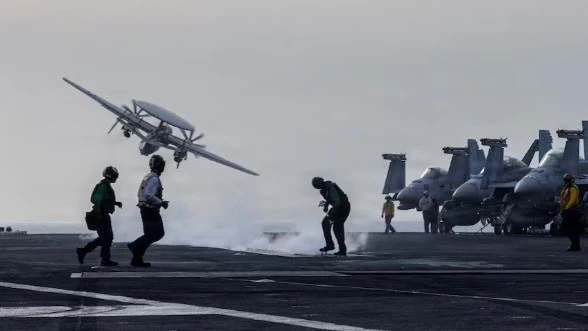
The aircraft carrier "Abraham Lincoln," photo by the US Navy.
The Strait of Hormuz and the US Ultimatum
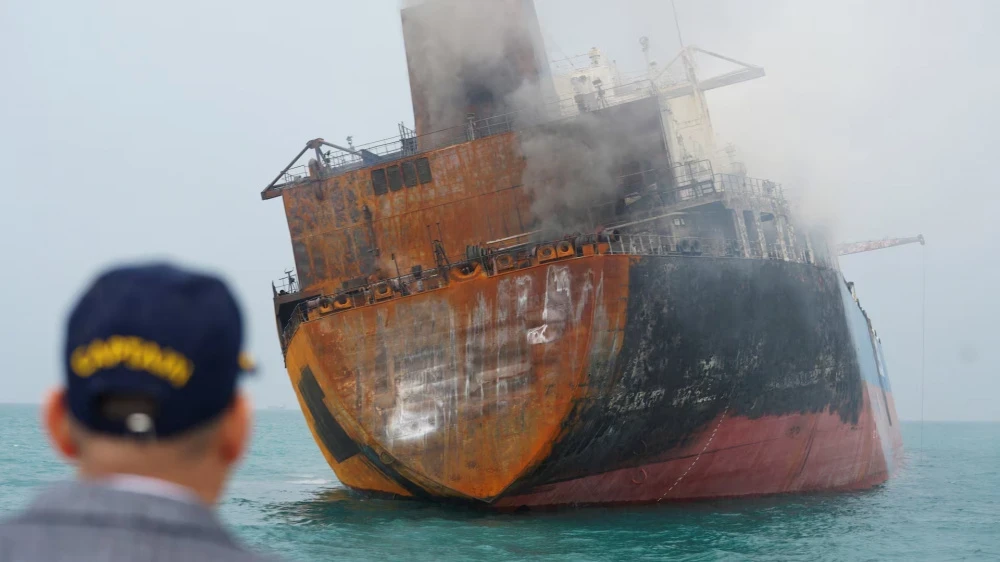
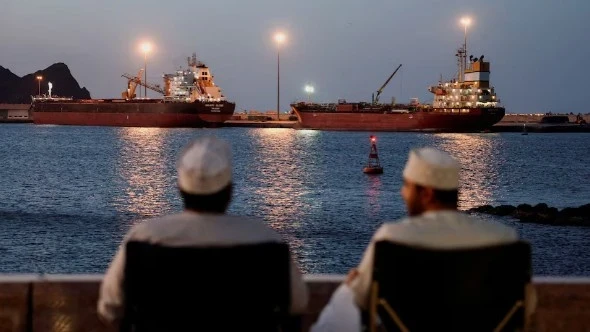
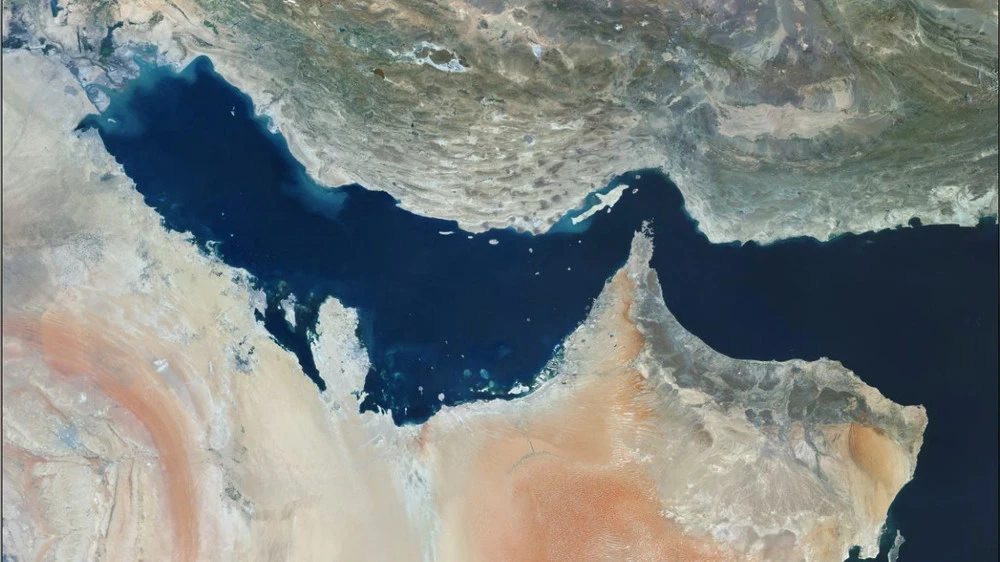
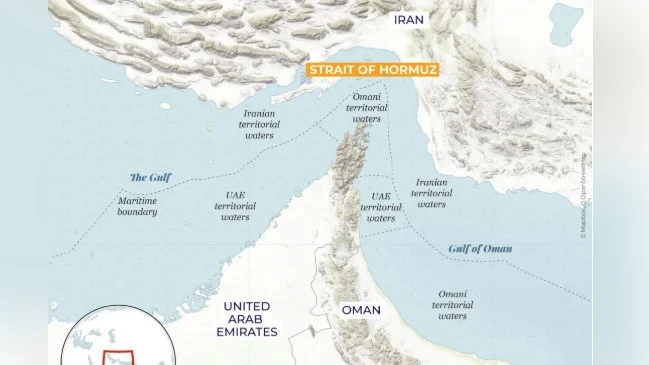
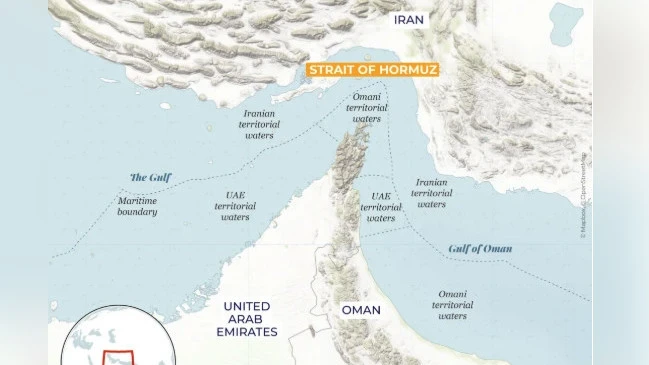
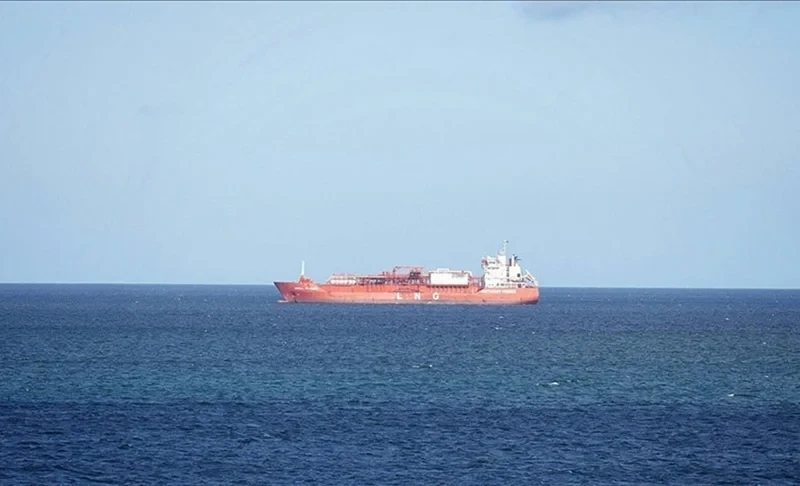
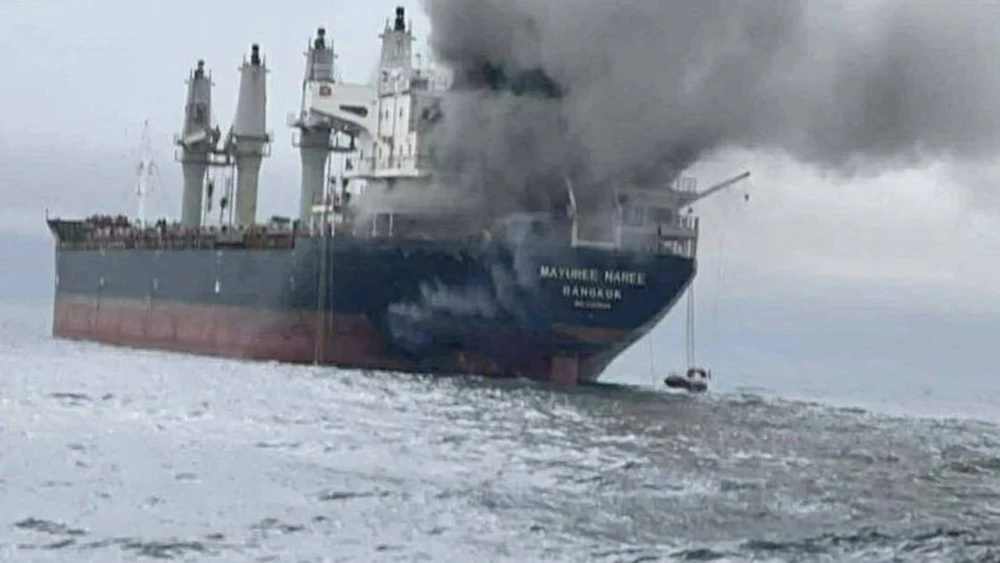
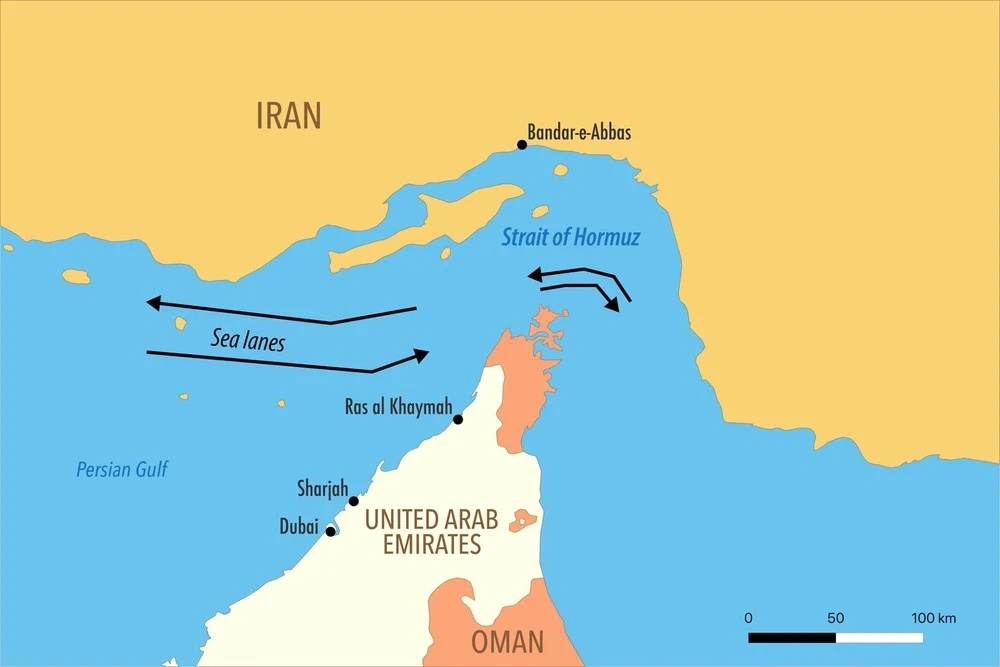
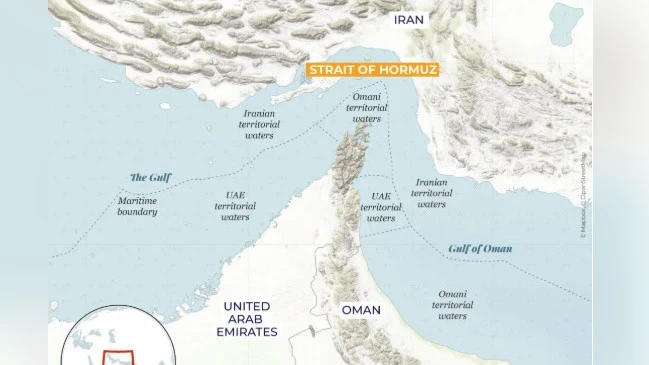
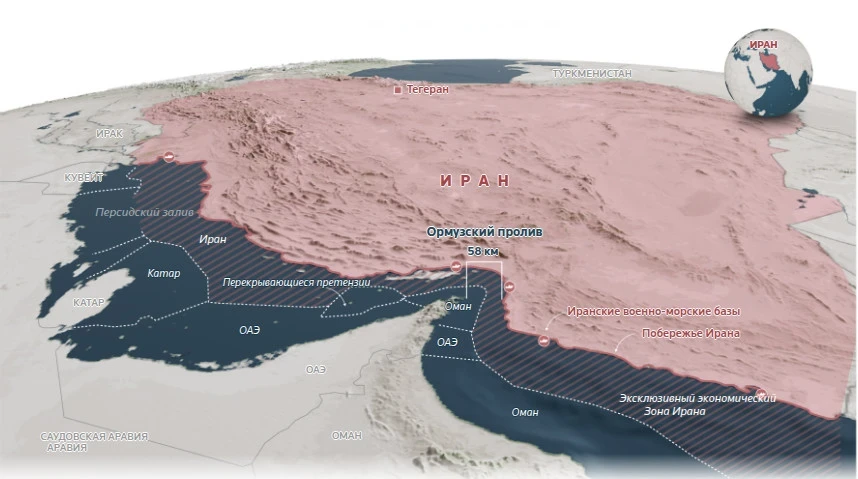
A key aspect of the current escalation is the situation around the Strait of Hormuz, which is a crucial route for global oil trade. Amid attacks and threats, shipping in this area has been partially disrupted.On April 5, US President Donald Trump issued an ultimatum to Iran, demanding free passage through the strait by the evening of April 6. Otherwise, he threatened strikes on critical Iranian infrastructure, including power plants and bridges. Iran, in turn, rejected the proposals for a ceasefire and showed no willingness to negotiate on the proposed terms.
Donald Trump's Statements
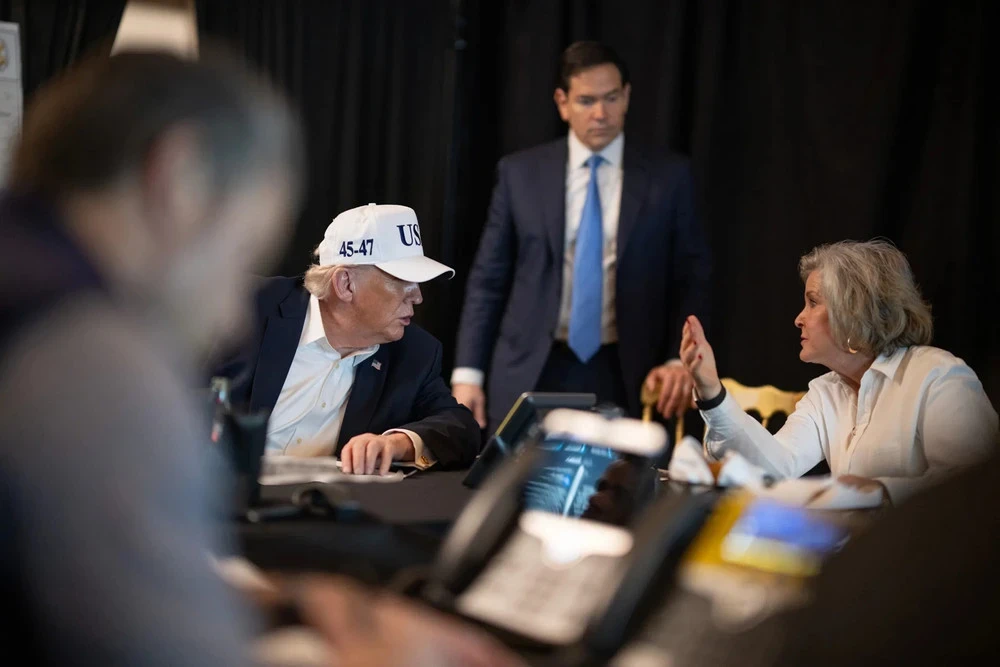
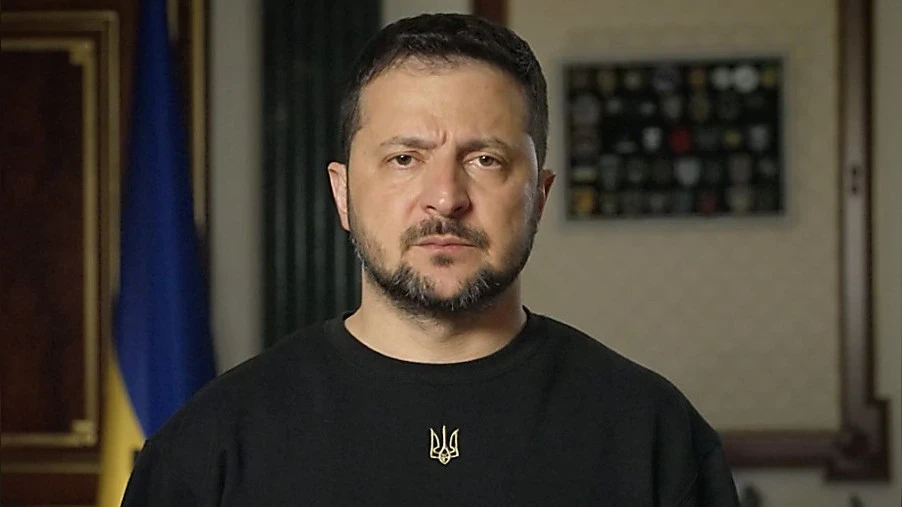
Trump's rhetoric on April 5-6 combined tough threats with prospects for diplomacy. He warned that if Iran failed to meet US demands, there would be large-scale strikes on infrastructure, describing potential operations as targeting energy and transportation facilities.However, Trump also asserted that an agreement with Iran remained possible and could be reached soon, pointing to ongoing contacts. In some of his statements, he even entertained the possibility of controlling Iranian oil resources in the event of further escalation.
Some of his remarks resonated due to their unusual rhetoric, including the use of religious phrasing in the context of military operations. Within the USA, reactions to the president's statements were mixed: some politicians supported a tough approach, while others expressed concern about the risks of uncontrolled escalation.
Market Reactions and Economic Consequences
The escalation of the conflict immediately impacted global markets. Oil prices surged sharply: Brent crude surpassed $110 per barrel, while WTI reached $112. At certain moments, daily increases were in double digits, marking the largest jump in recent years.Stock markets in Persian Gulf countries showed declines, reflecting growing uncertainty and risks to the regional economy. At the same time, the dollar strengthened as a safe-haven asset, and investors began to factor in scenarios of further escalation and potential disruptions in energy supplies.