Eurozone countries are facing a new wave of energy shock similar to the situation in 2022.
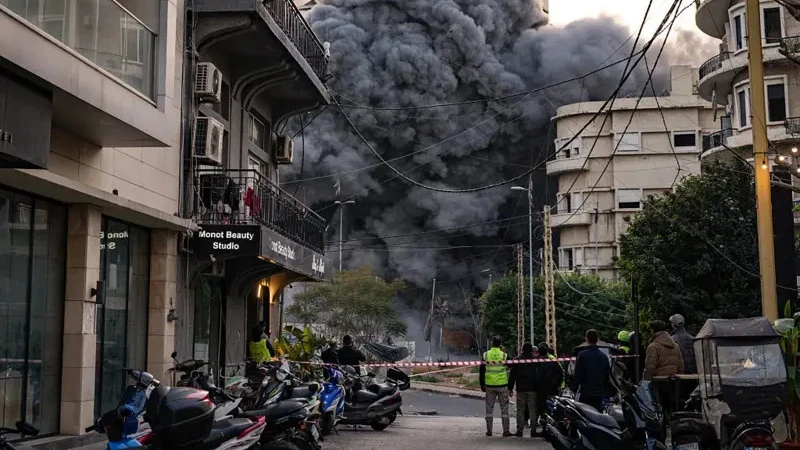
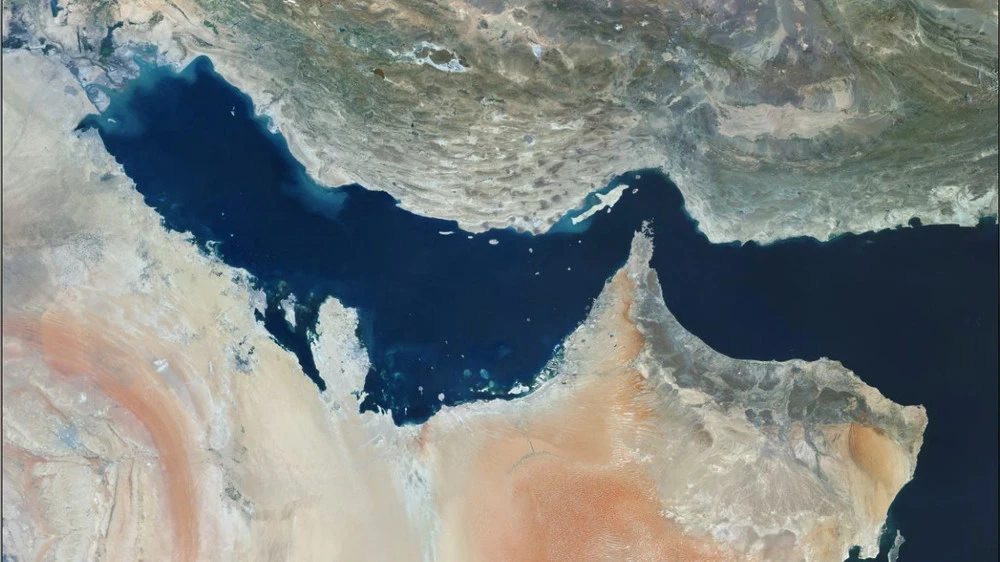
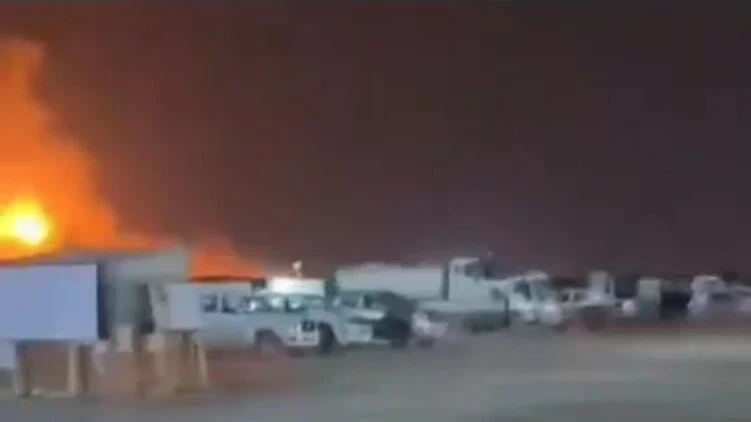
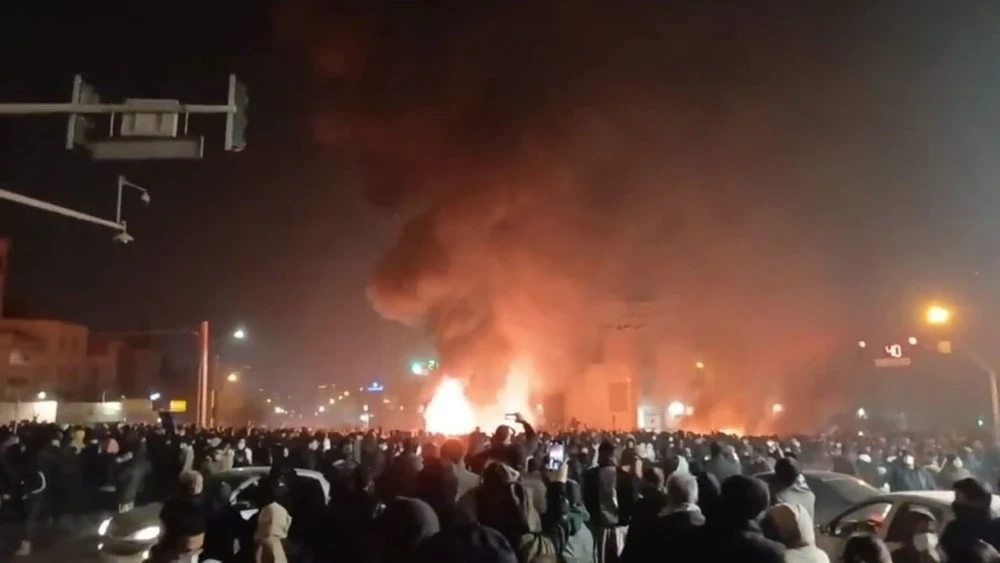
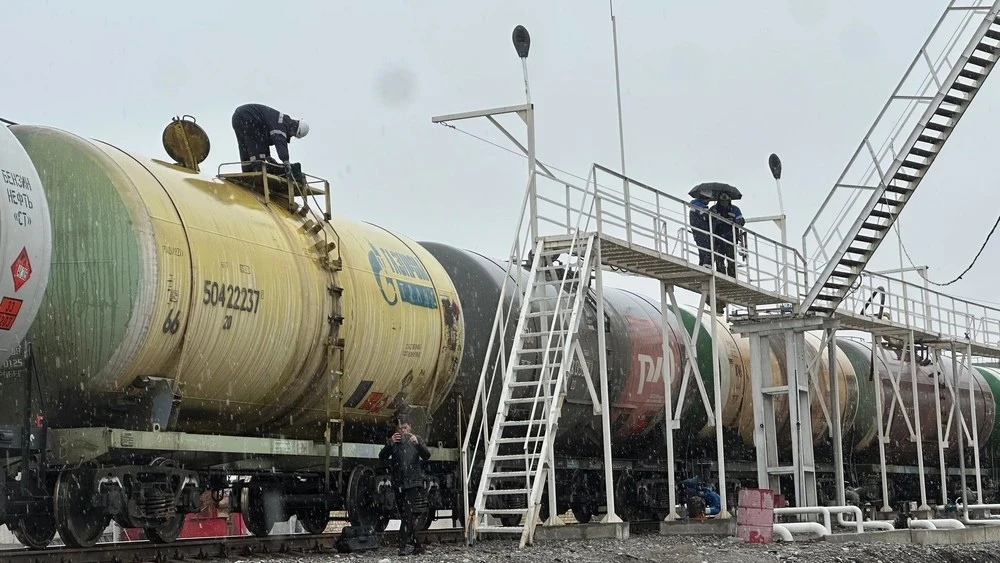
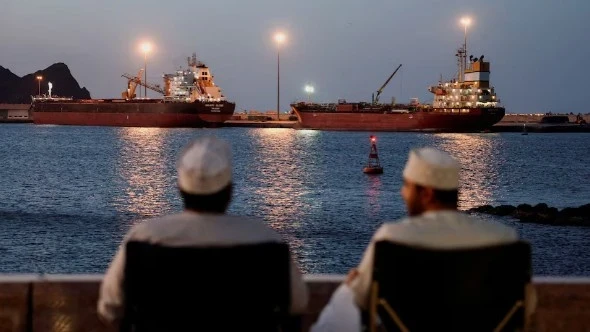
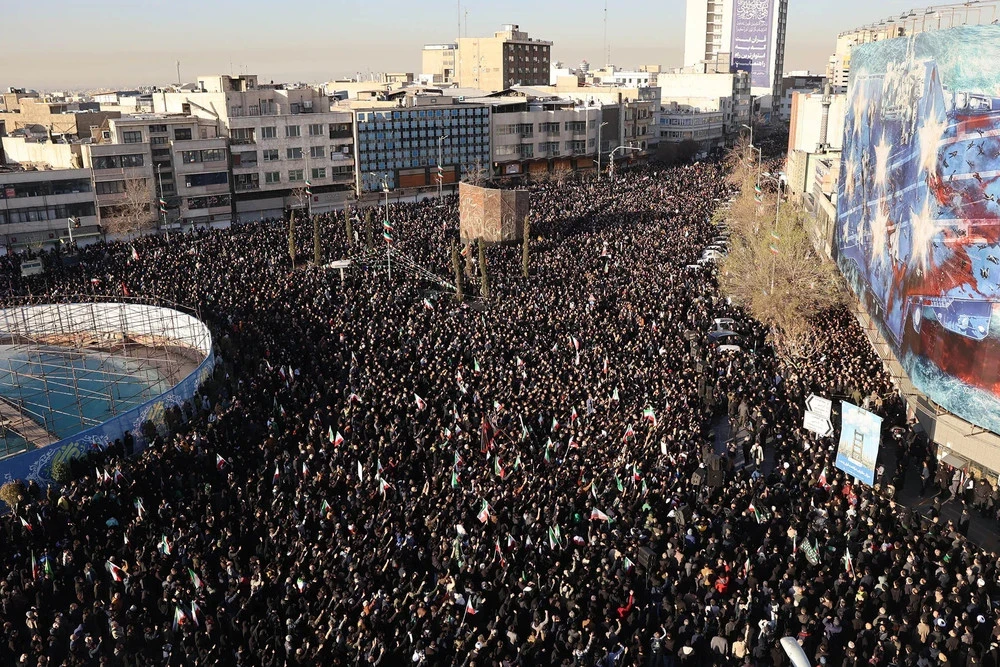
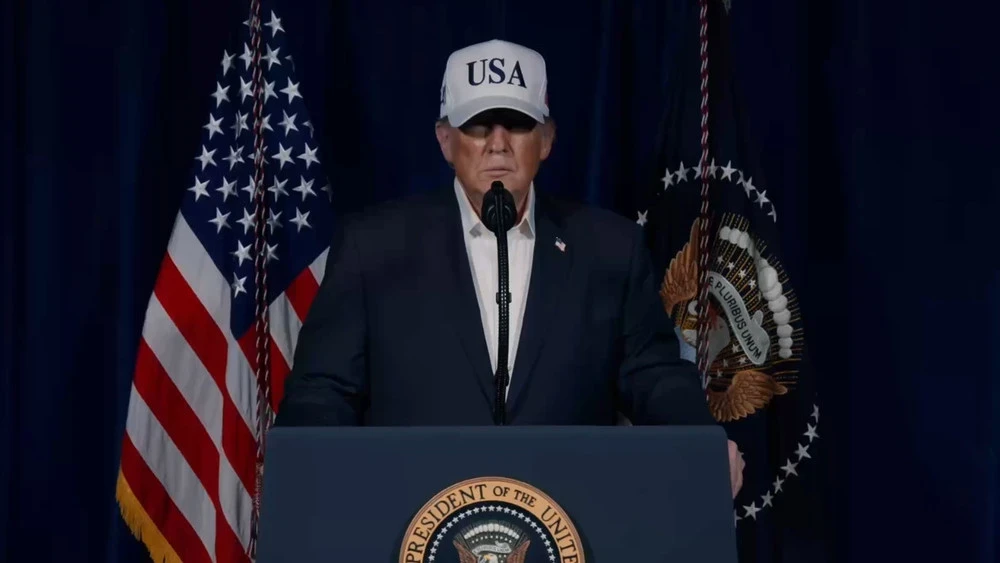
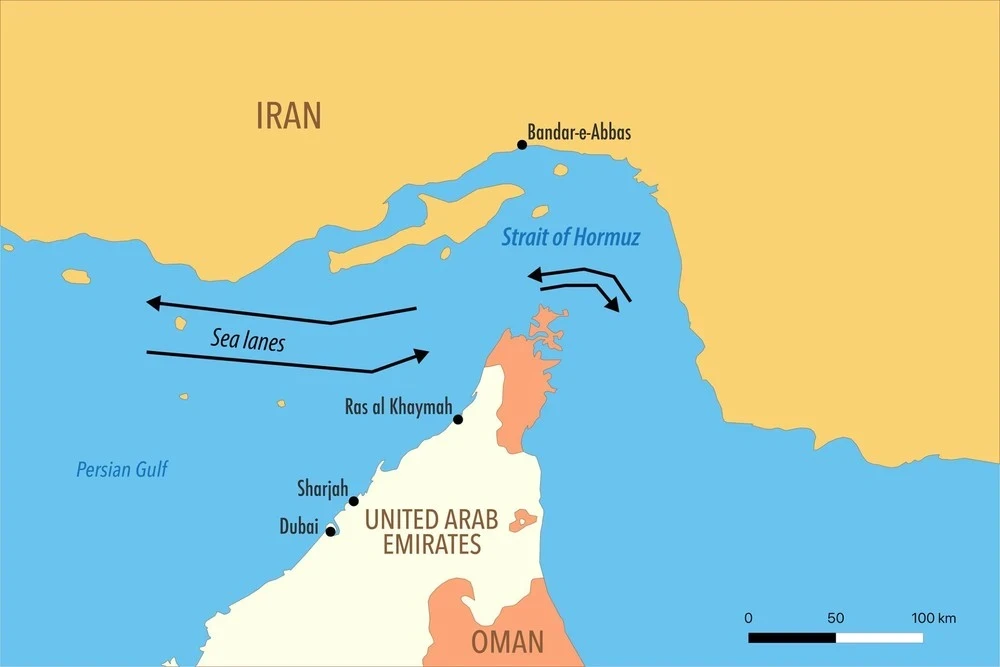
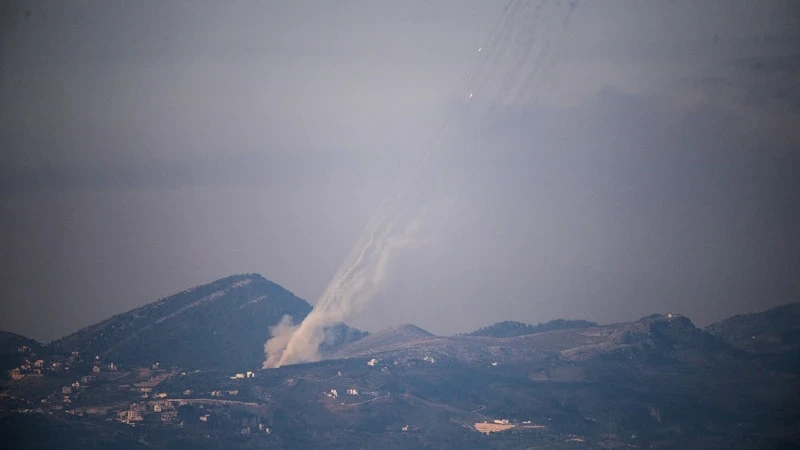
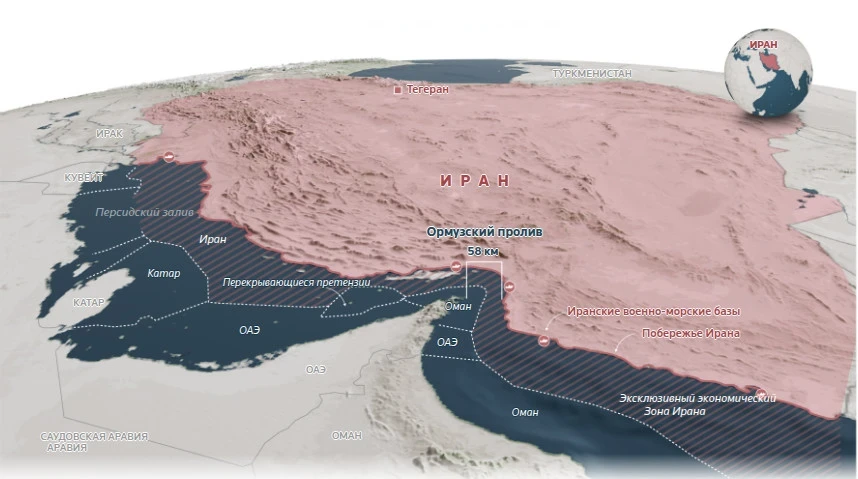
Europe is entering a new stage of the energy crisis: the conflict between the USA and Israel with Iran, attacks on infrastructure in the Persian Gulf, and the blockade of the Strait of Hormuz are already affecting fuel prices. This is prompting the European Union to take measures reminiscent of the events of 2022, when the reduction of Russian gas supplies began, reports El Pais.
Various initiatives are being developed in Brussels, including regulating air conditioning temperatures, supporting remote work, and introducing fuel rationing and restrictions on air travel, according to information from RBC.
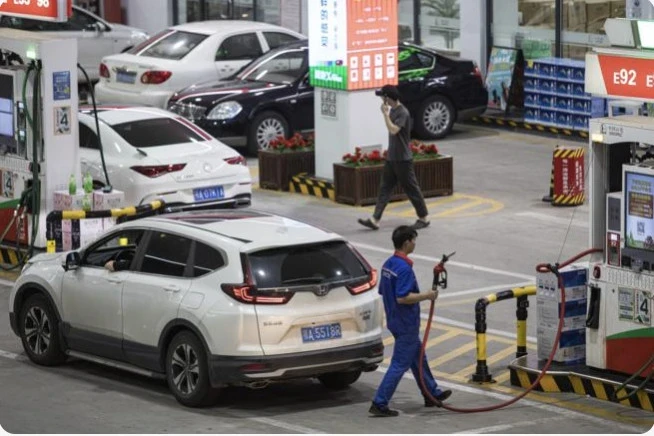
For example, in Italy, BP's subsidiary, Air BP Italia, has notified four airports—Bologna, Treviso, Venice, and Milan-Linate—about possible restrictions on aviation fuel supplies due to shortages from the main supplier. In other countries, emergency measures have already been taken, such as in Slovenia, where fuel purchases are limited due to shortages at gas stations.
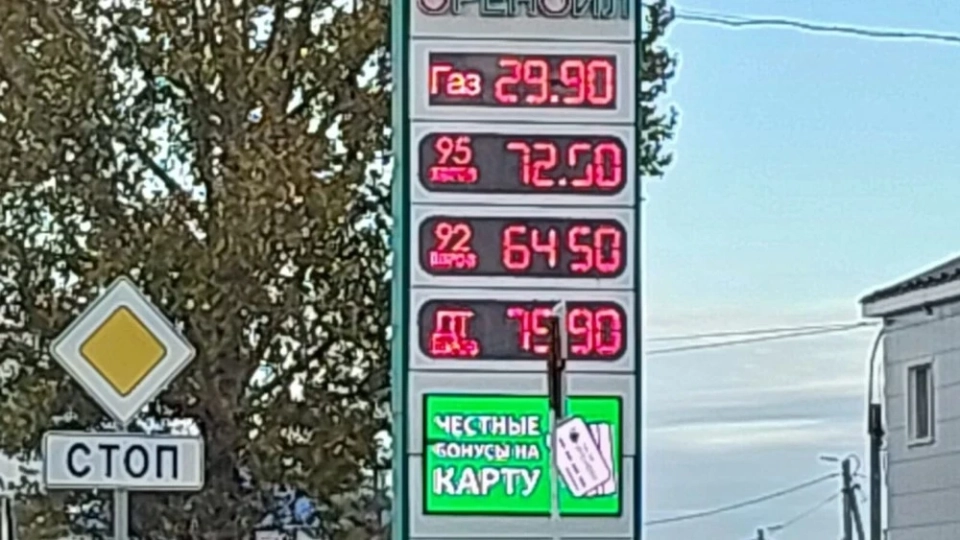
Despite assurances from the European Commission that there is currently no threat to supplies, as there was in 2022, markets are still suffering from rising oil prices. This has already led to an increase in gasoline prices by approximately 70% and oil prices by 60% in European countries.
photo www