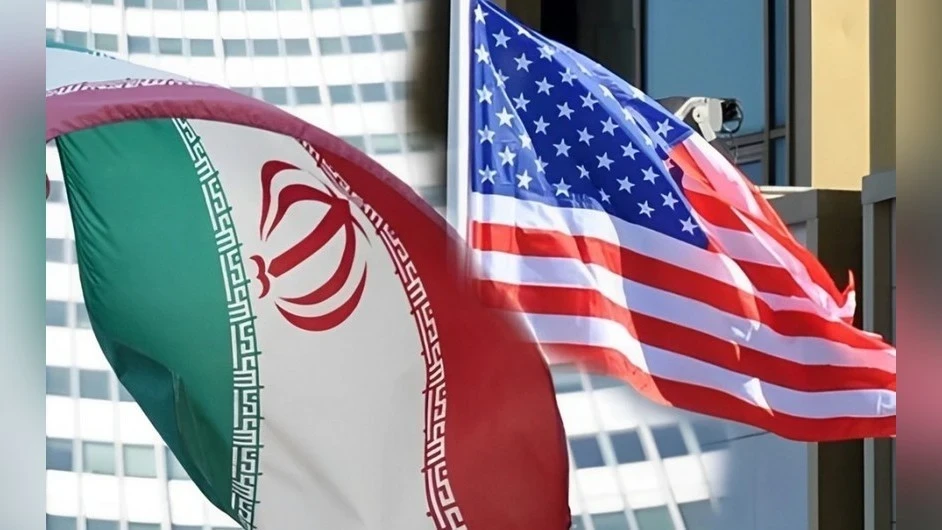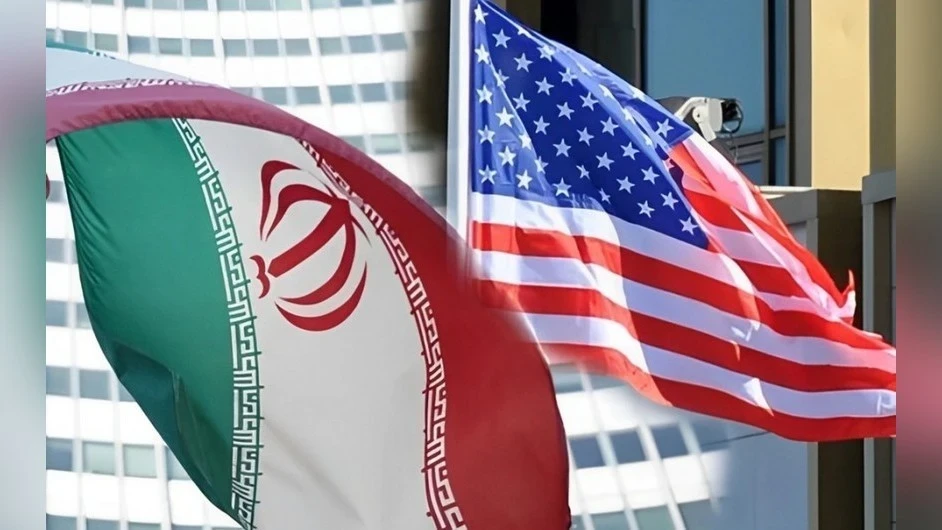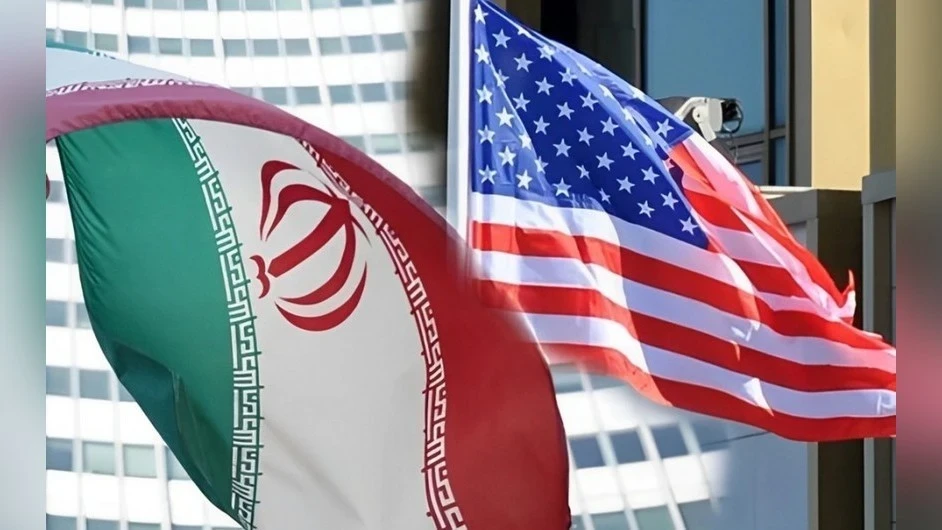
Tehran rejected the proposal for a temporary ceasefire from the United States, emphasizing that a complete cessation of hostilities is necessary. According to the IRNA agency, the response was sent via Pakistan and includes a list of conditions for ending the conflict.
According to Axios, which cites sources in the U.S. government, Iran's response was characterized as "maximalist," and it is unclear whether it will lead to progress toward a diplomatic solution.
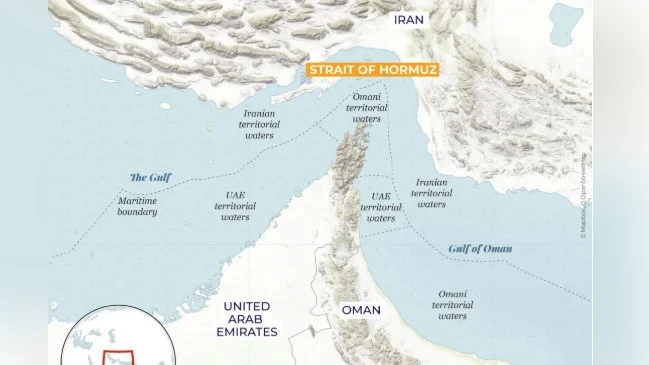
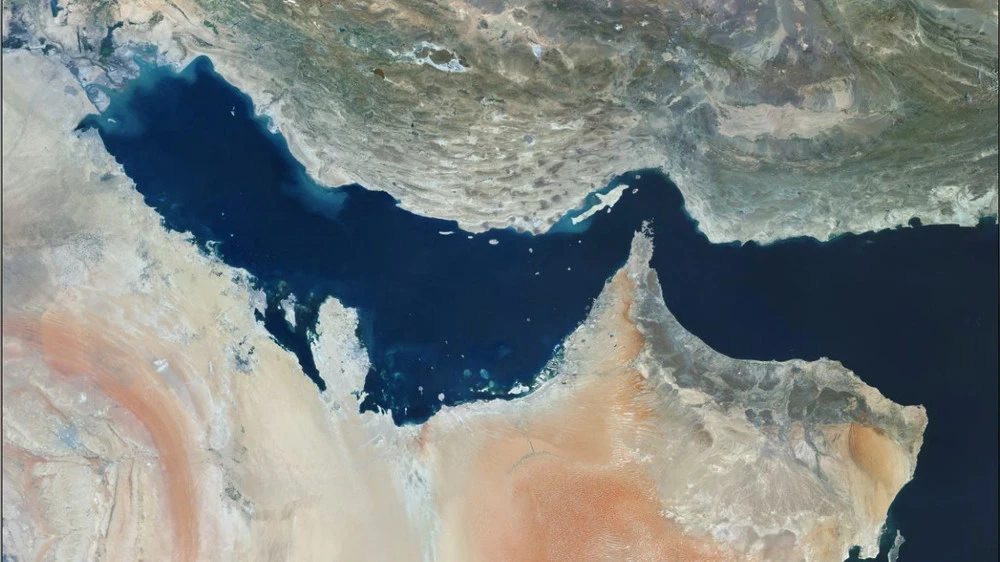
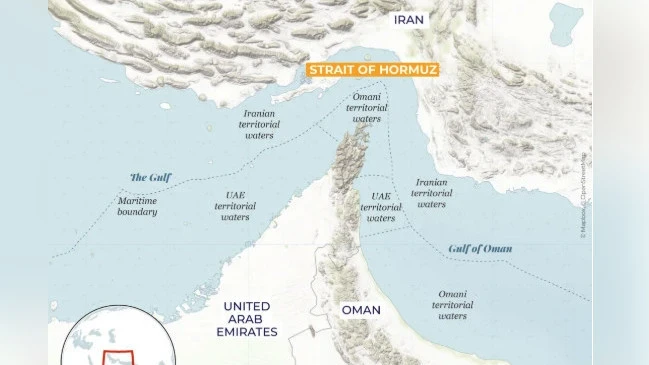
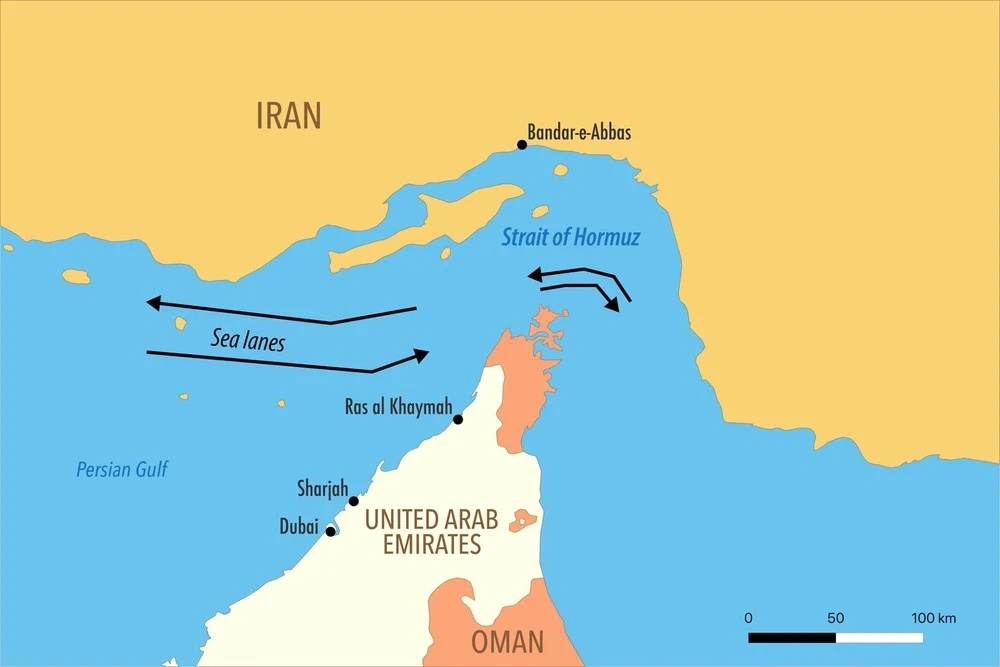
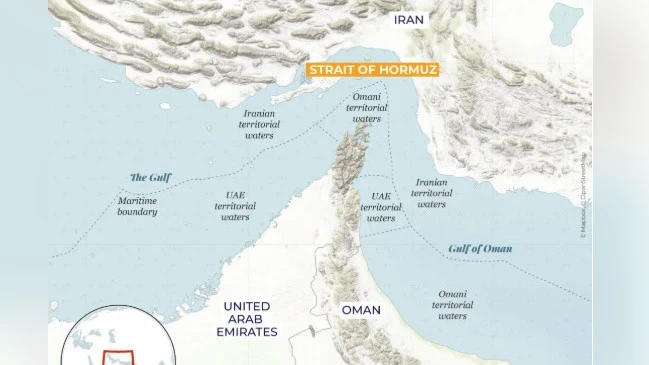
In the document, consisting of ten points, Iran puts forward key demands, including the agreement on safe passage for ships through the Strait of Hormuz, the lifting of sanctions, and U.S. participation in the country's reconstruction after the hostilities cease. Iranian authorities had previously expressed their unwillingness to conclude a short-term truce, citing negative experiences from past negotiations with Washington.
Axios previously reported that Washington and Tehran, with the mediation of Pakistan, Egypt, and Turkey, are discussing the possibility of a 45-day ceasefire as a first step toward ending the conflict. However, according to sources from the publication, the chances of reaching an agreement in the next 48 hours remain minimal, despite this period being viewed as a "last attempt" to avoid further escalation.
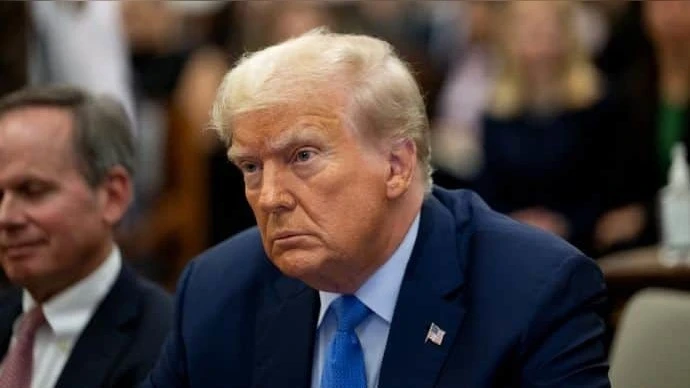
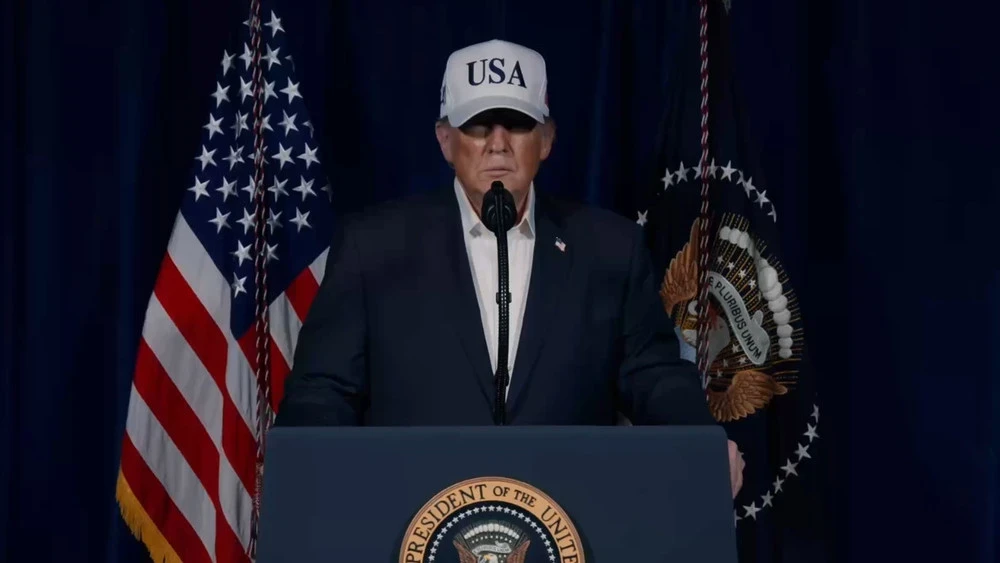
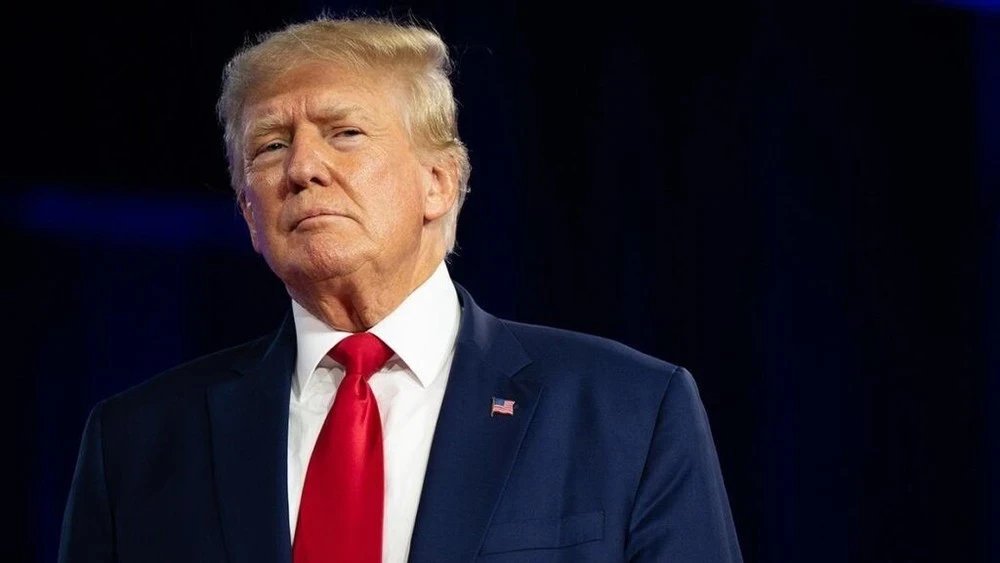
According to Axios, if the negotiations fail, the U.S. administration has developed a plan for massive attacks on Iran's energy infrastructure. President Donald Trump stated that the deadline for the ultimatum expires on the night of April 7, calling it the "final deadline." He had previously demanded that Tehran open the Strait of Hormuz and reach an agreement, threatening to "unleash hell" on the country otherwise.
Axios reports that negotiations are also taking place through correspondence between U.S. Special Envoy Steve Witkoff and Iranian Foreign Minister Abbas Araghchi. In recent days, Washington has sent several proposals to Tehran, but none have been accepted.