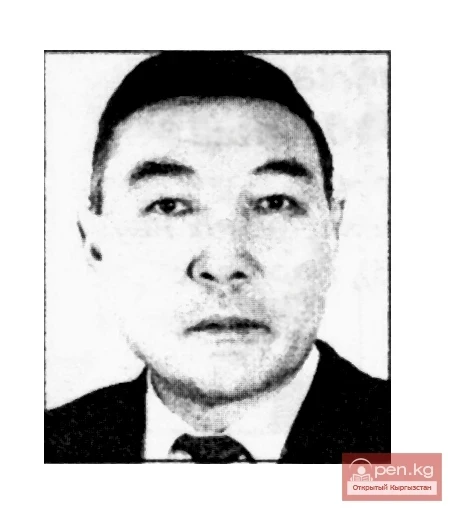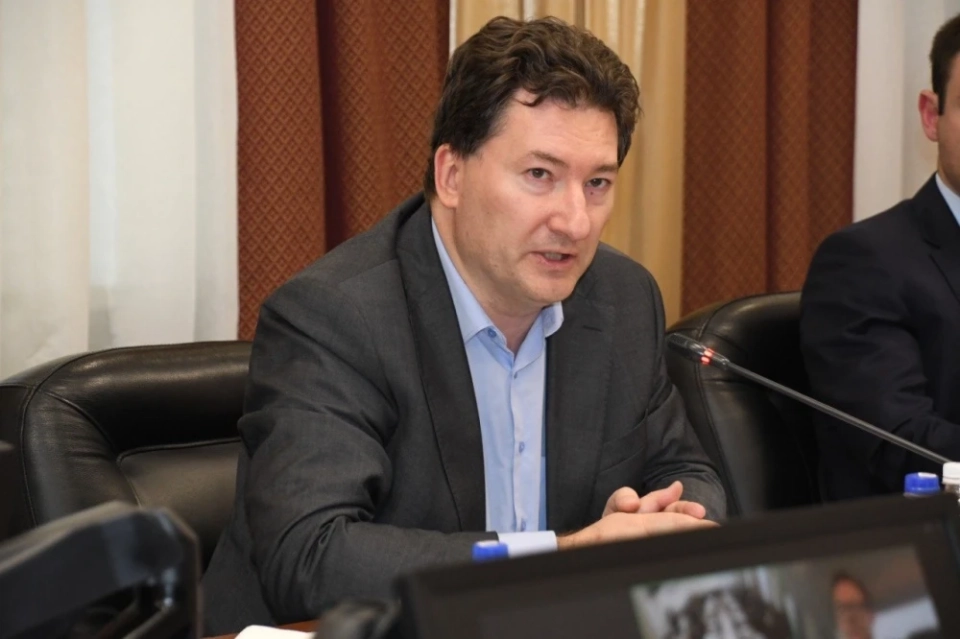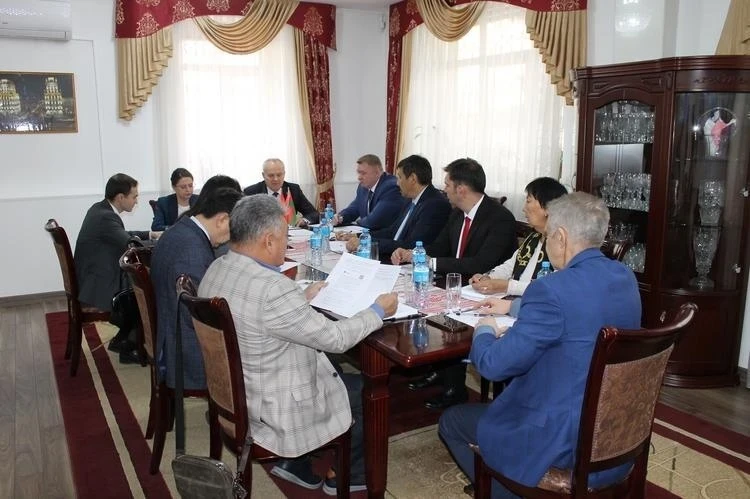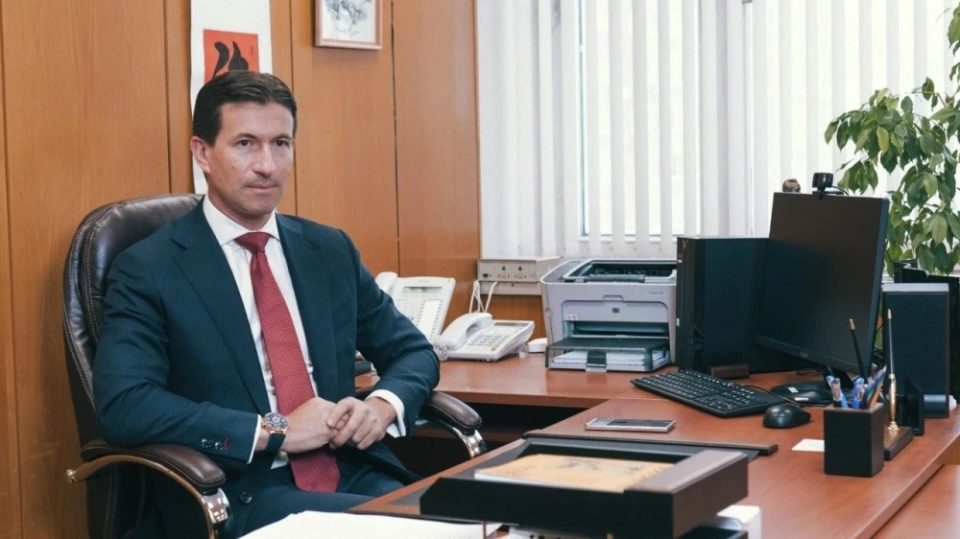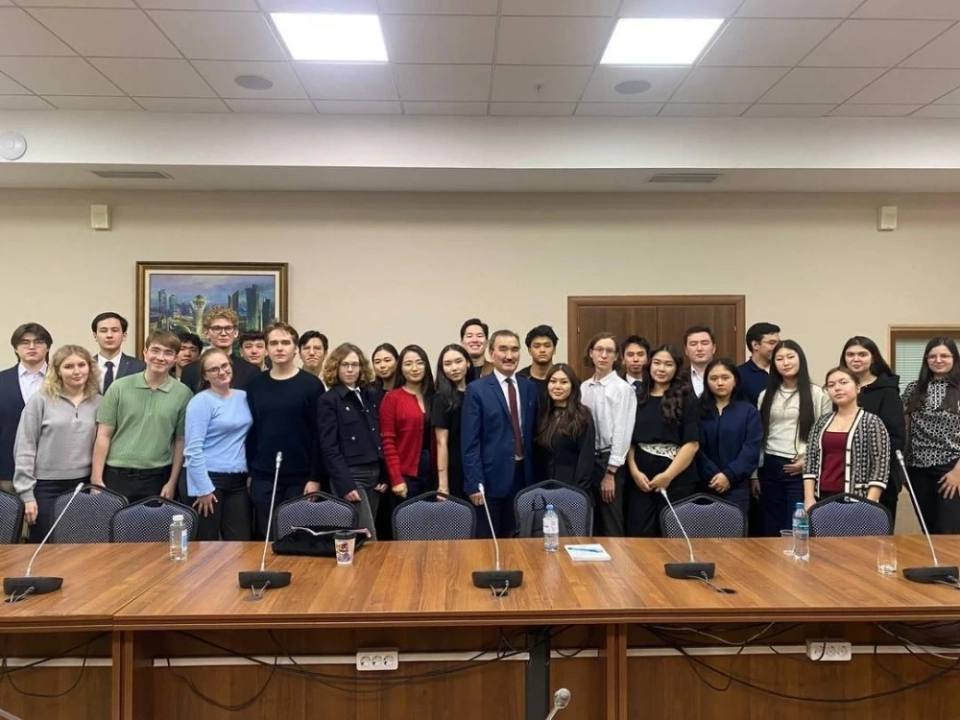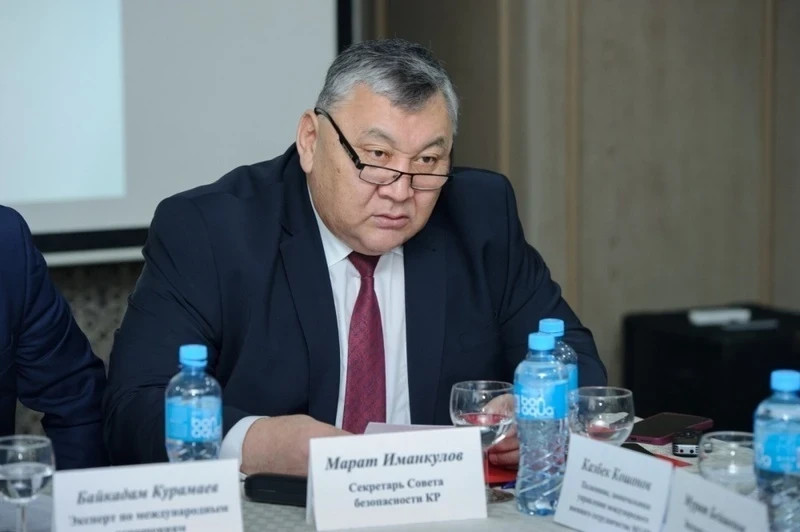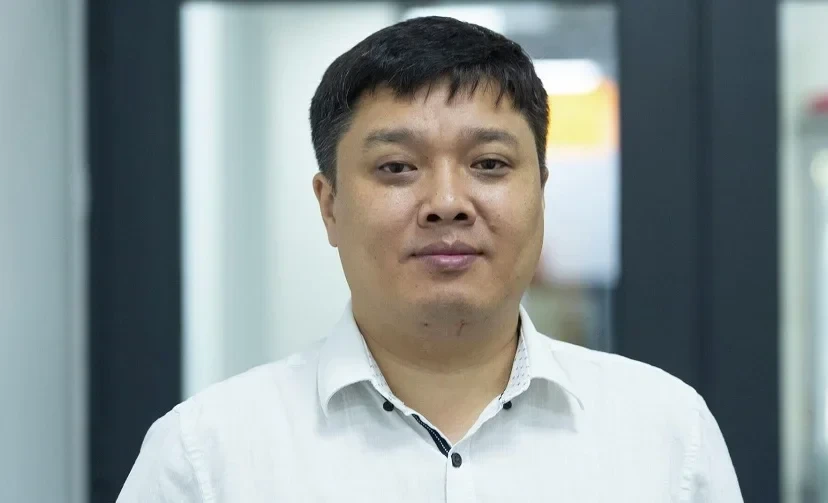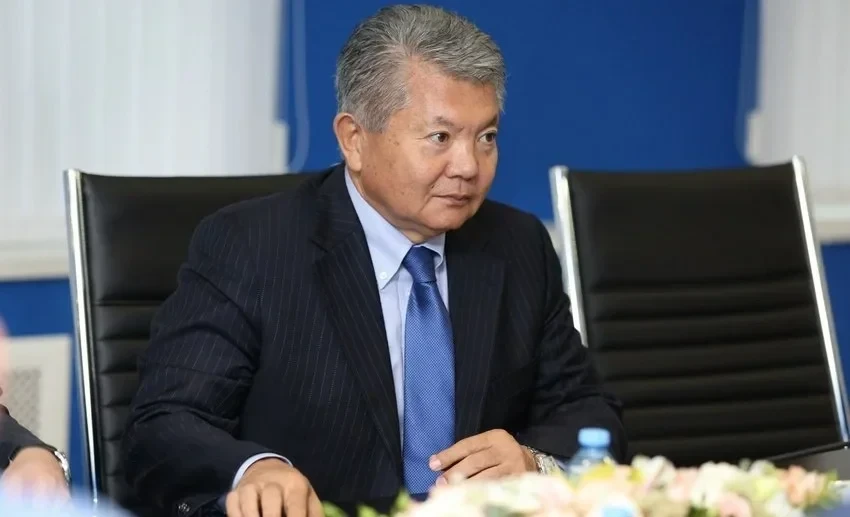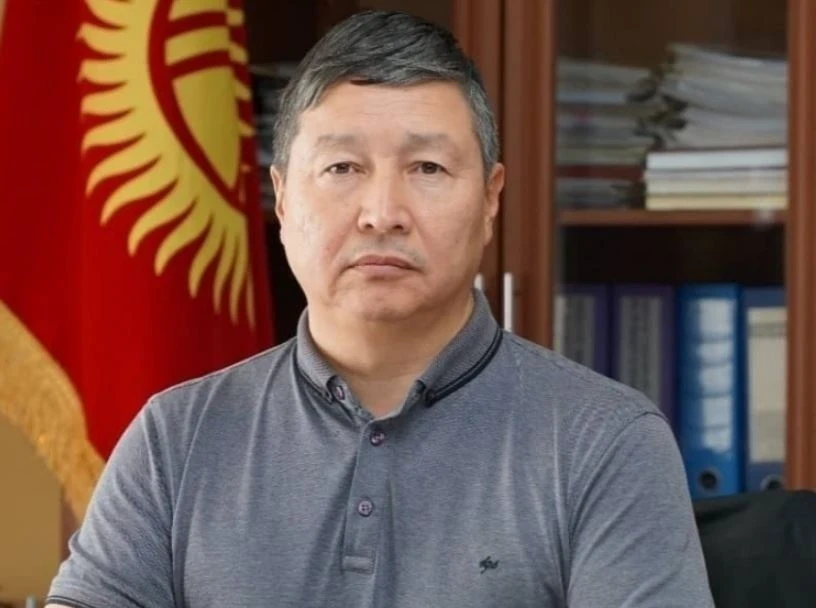
At the international conference "Trends in the Development of the System of International Relations and Current Security Issues in Modern Realities," the president of the analytical club "Singularis," Ulan Adamaliev, emphasized the changing concept of security in our time.
He noted that in the context of constant political crises and instability, the idea of security goes beyond traditional notions of military power and geopolitical borders. Security, in his opinion, is the state of a person and society, not just the presence of an army or deterrent forces.
"In modern conditions, security ceases to be exclusively a military category. It becomes a question of meaning, internal stability, and cultural identity," he remarked.
Adamaliev also pointed out the importance of perceiving New Year celebrations as a component of the humanitarian architecture of security, emphasizing their significance as a common cultural heritage for all peoples of Kyrgyzstan, the CIS countries, and the entire world.
"Culture is not just art; it is what helps humanity maintain unity in times of crisis. It is memory, language, customs, and holidays that make chaos more bearable," the expert added.
It is worth noting that Russian culture has developed over the centuries as a cultural frontier between the East and the West, the North and the South, as well as Europe and Asia.
"It arose not in isolation but as a result of dialogue. The main theme is not division but the search for unity," Adamaliev emphasized.
He also highlighted the contribution of Russian literature, music, and philosophy to the formation of questions about conscience, responsibility, and the human soul.
In his opinion, holidays such as the New Year are an expressive form of culture. "The New Year for me is not just a change of dates but a philosophical act symbolizing the possibility of starting anew, letting go of the past and imagining the future. In Soviet times, the New Year became an example of cultural universalism, uniting people of different beliefs and traditions," the speaker said.
Adamaliev is confident that in modern conditions, the significance of such symbols is increasing.
"In an era of anxiety, the importance of symbols does not diminish but only intensifies. Supporting New Year traditions in the post-Soviet space is not a political project but a way to preserve civilizational unity," he added.
As the world becomes increasingly fragile, security is defined not by strength but by the ability to remain human. In times of crisis, traditions become what holds society together, and gathering people during holidays helps to believe in a better future, Adamaliev believes.
He emphasizes that international relations need a new approach that includes not only agreements but also common values.
"A shared hope for the future is one of the strongest meanings, and cultural symbols such as the New Year can and should be part of the humanitarian architecture of security," he concluded.
The New Year, according to him, is a symbol of light and hope that can unite peoples despite political borders and remind us of the importance of shared memories and family traditions. The Christmas tree with a star symbolizes not ideology but light in dark times, promising a new dawn even in the longest nights.
Thus, the development of New Year traditions in post-Soviet countries should be viewed as a resource for civilizational unity based on common values, respect, and cultural continuity.
Adamaliev summarized that culture in conditions of instability becomes a strategic factor of security, and the New Year represents a powerful symbol of unity among peoples in the face of global uncertainty.