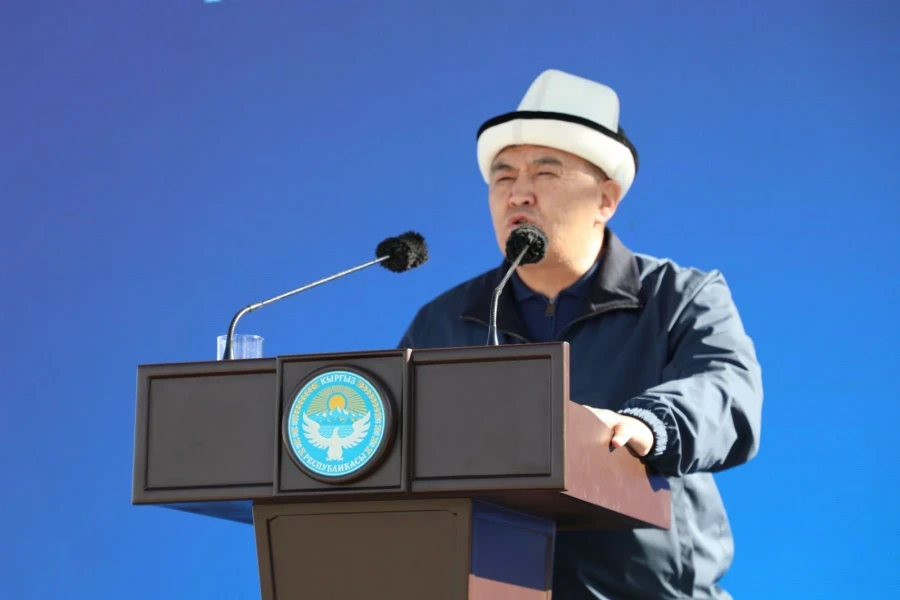
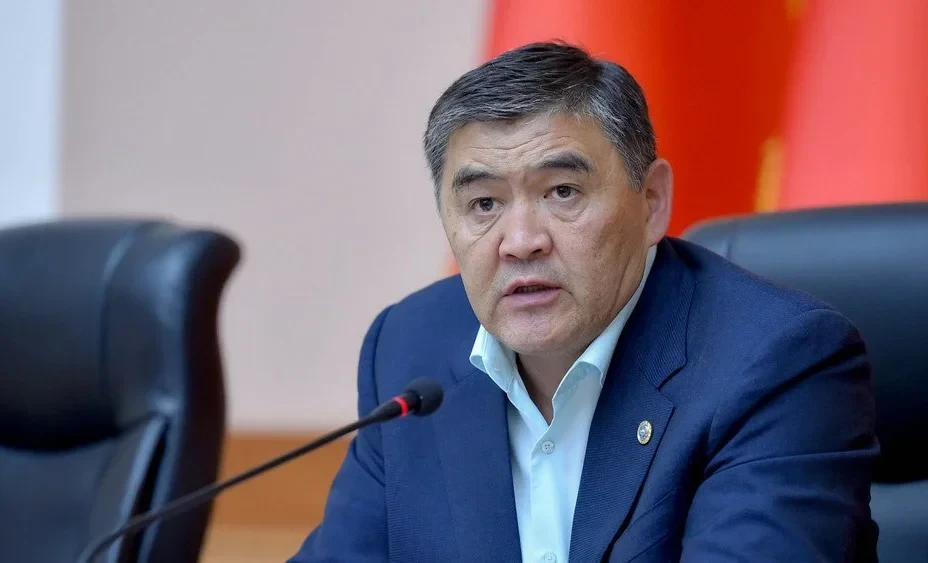
He noted that starting in 2025, after the introduction of new legislation tightening the measures of responsibility for corrupt offenses, the next phase of anti-corruption activities will be completed.
Tashiev emphasized that one of the key reasons for the widespread corruption in Kyrgyzstan was the appropriation of state property during privatization. In his opinion, this phenomenon began in 1992-1993, when it became possible to privatize various enterprises and farms.
“Privatization was carried out not in the interests of the population, but in the interests of a small group of individuals and fraudsters. These people appropriated the wealth that had been accumulated through the labor of many generations,” he noted.
“Despite the fact that privatization formally complied with the law, in practice there were numerous violations,” Tashiev added.According to him, under the law, after the privatization of an enterprise, it was supposed to continue operating in its profile. For example, if a bus depot was privatized, it was required to function as a bus depot. However, in practice, different situations occurred: bus depots were turned into plots for sale, and vehicles were sold off. A similar situation was observed with factories, where equipment was sold off, and markets were built on their territories,” explained the head of the GKNB.
He also noted that during those times, not only enterprises but also social institutions such as schools, kindergartens, hospitals, camps, and boarding houses were transferred into private hands.
Tashiev pointed out that this “disease” penetrated state structures as well: many officials came to their positions with the intention of appropriating yet another object. According to him, the process of embezzling the people's wealth continued until 2020.
Currently, law enforcement agencies continue to uncover cases of illegal privatization and theft of state property.