The specialist noted that on weekends, especially on Fridays and Saturdays, the center receives a large number of intoxicated drivers, and the journal records these cases in significant volume. The problem concerns not only alcohol but also drugs.
"The situation is concerning. Many of those we admit do not realize their guilt and do not acknowledge that they were wrong. We face aggression and threats from patients," Aliya Ashchi reported.She emphasized that tightening penalties for driving under the influence is an important step, as the problem is systemic in nature.
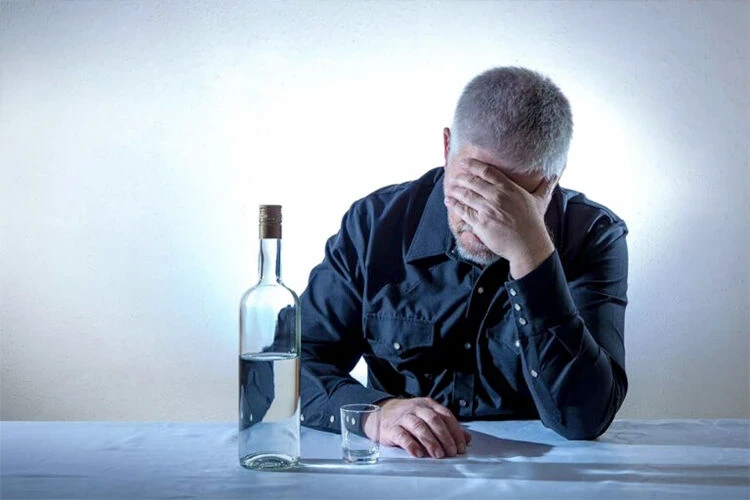
One of the common justifications that narcologists hear is the phrase: "I only had a glass of beer. It's not vodka." However, Aliya Ashchi asserts that there is no concept of "a little drunk" in medicine.
"There are only two states - sober and drunk. It doesn't matter how drunk you are. If you are drunk, then you are drunk!" she explained.Some drivers also claim that a positive test can be caused by the consumption of fermented dairy products and other factors. Nevertheless, the doctor emphasized that tests are merely an additional diagnostic tool.
"The main conclusion is based on the clinical picture. Therefore, the examination is conducted by a narcologist who assesses the patient's condition as a whole," she clarified.
According to Aliya Ashchi, it is impossible to imitate the state of alcohol or drug intoxication. Doctors pay attention to signs such as redness of the skin, eyes, changes in speech, coordination of movements, and behavior.
"Some patients refuse to take the Rapoport test or try to cheat the test by taking oil or using IV drips. But this does not help. If a person is really drunk, we will determine that. Also, if the test shows a false result, that will be established," the narcologist added.
As for drinks like kumys or bozo, the doctor explained that they may contain a small amount of alcohol; however, the diagnosis is made not based on their consumption but on the impact on cognitive functions: reaction speed, attention, and thinking.
"If this drink does not affect a person's condition, they will be considered sober. However, in practice, most of the drivers brought in have indeed consumed alcohol," she concluded.
Aliya Ashchi warned that alcohol is a depressant of the central nervous system, and although a person may feel euphoric, their cognitive functions are actually deteriorating.
The main changes include:
- reduced critical thinking;
- weakened self-control;
- overestimation of one's abilities;
- emotional instability;
- slowed reaction and decreased concentration.
"Alcohol disables the internal controller. A person thinks they are fully in control of the situation, but this is an illusion. In reality, alcohol impairs driving abilities," she noted.The specialist added that there is no safe dose of alcohol. The body's reaction is individual and depends on many factors, including age, weight, gender, and health status. "In any case, it is better to avoid consuming alcohol and not to drive under the influence," she emphasized.
Even several hours after consumption, alcohol can continue to negatively affect cognitive functions.
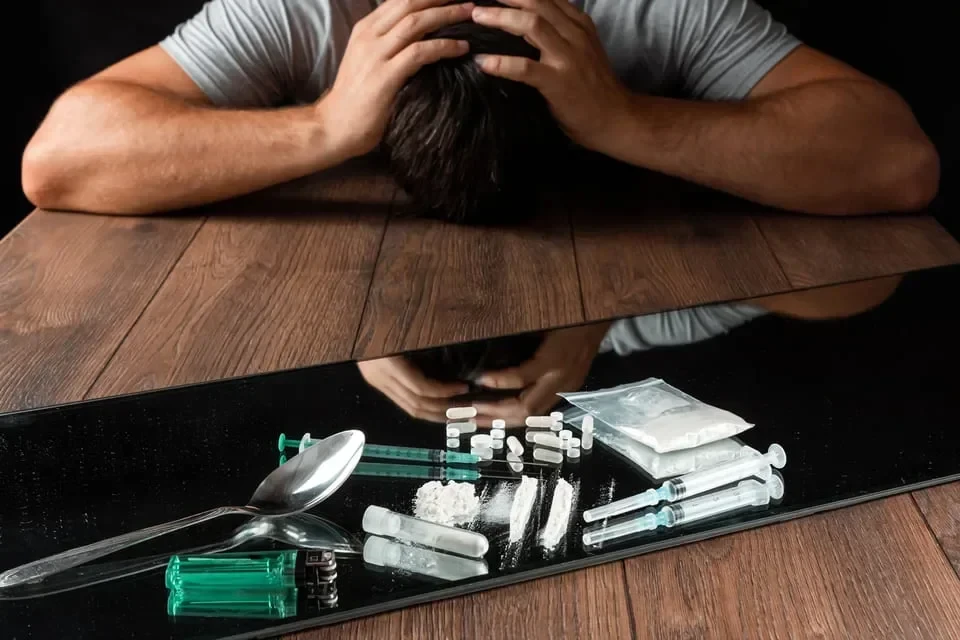
Among specialists, there is particular concern regarding driving under the influence of narcotic substances, which is most often observed among young people.
"In 99% of cases, those driving under the influence are men. Alcohol predominates among middle-aged people, while drugs are more commonly used by young people," Aliya Ashchi said.Clinical manifestations can vary depending on the substance consumed. Some drugs depress the central nervous system, causing drowsiness and lethargy, while others are stimulants and provoke risky behavior. But the outcome is the same — a decrease in attention and slowed reaction.
"Both alcohol and drug intoxication are equally dangerous when driving a vehicle," she summarized.In Kyrgyzstan, there are plans to tighten penalties for traffic violations.
- According to the draft, driving a vehicle under the influence will lead to a two-year suspension of rights (currently one year).
- A repeated offense will result in a four-year suspension of rights with temporary confiscation of the vehicle.
- Refusal to undergo testing for intoxication will also lead to a two-year suspension of rights (the current detention period is three days).
Photo on the main page is illustrative: kolesa.kz.