Previously, a decrease in prices had been reported.
Price Changes for Key Food Groups
Cereals rose by an average of 1.1% in February. The main reason for the increase in wheat prices was reports of frosts in the USA and Europe, as well as ongoing logistics issues in Russia and the Black Sea region.The price of corn also slightly increased, while the rice index rose by 0.4% due to stable demand for basmati and Japanese rice.
As for vegetable oils, their cost increased by 3.3%, reaching the highest level since June 2022. Palm oil prices rose due to high global demand and seasonal reductions in production in Southeast Asia. Soybean oil quotes increased due to expectations of new biofuel support measures in the USA, while canola oil became more expensive against the backdrop of forecasts for increased imports from Canada. At the same time, sunflower oil slightly decreased in price due to increased export supplies from Argentina.
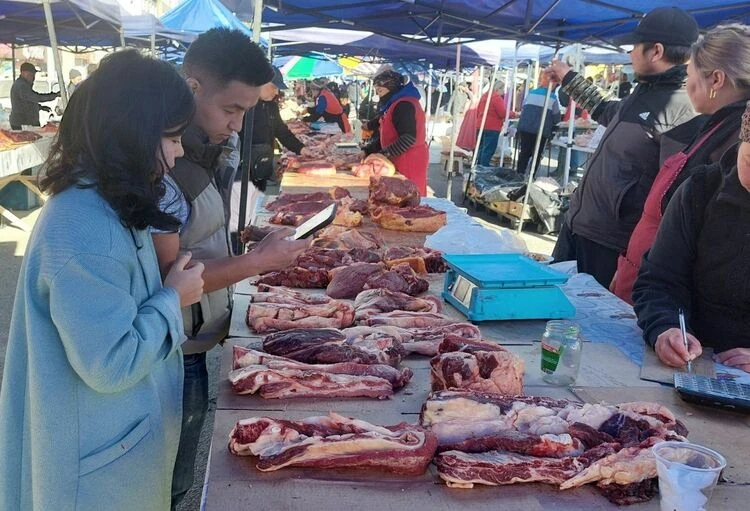
Prices for meat rose by 0.8%. The cost of lamb reached a record level, while beef became more expensive due to high demand from China and the USA. Pork and poultry also saw a slight increase in prices.
On the other hand, dairy products became cheaper by 1.2%, mainly due to falling cheese prices. However, prices for skimmed and whole milk rose due to strong demand from North Africa, the Middle East, and Southeast Asia. For the first time since the record in June 2025, butter prices also increased.
As for sugar, its cost fell by 4.1% over the month and by 27.3% compared to February 2025, which is linked to expectations of abundant global supplies in the current season.
2026 Forecasts: Reduction in Wheat Plantings
FAO also presented preliminary forecasts for wheat production in 2026, expecting a decrease in the harvest of about 3%, which will amount to approximately 810 million tons, although this is still above the average level of the last five years.In the European Union, Russia, and the USA, farmers are reducing areas planted with winter wheat due to low prices. Meanwhile, in India, the outlook is favorable due to record plantings driven by government support measures. Positive expectations are also noted in Pakistan and China overall.
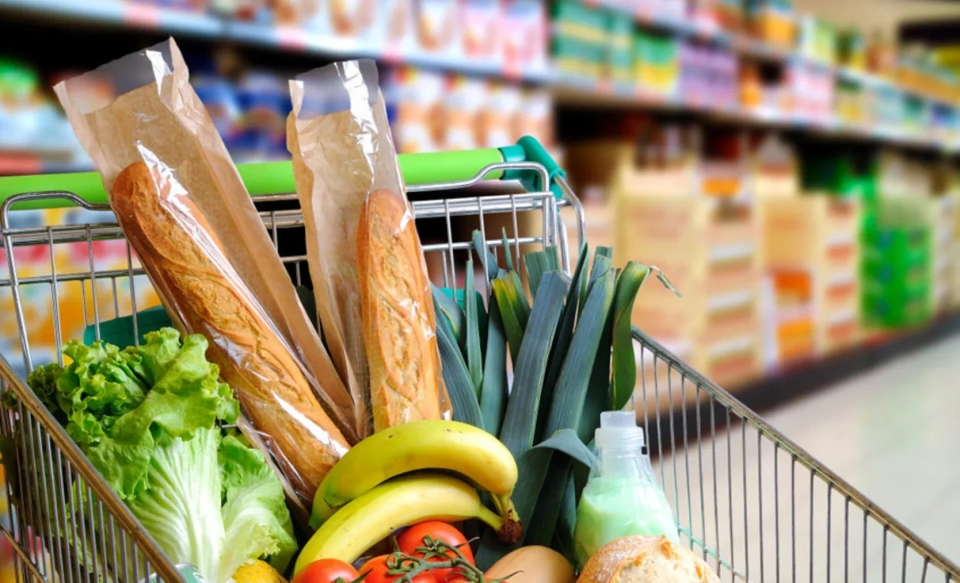
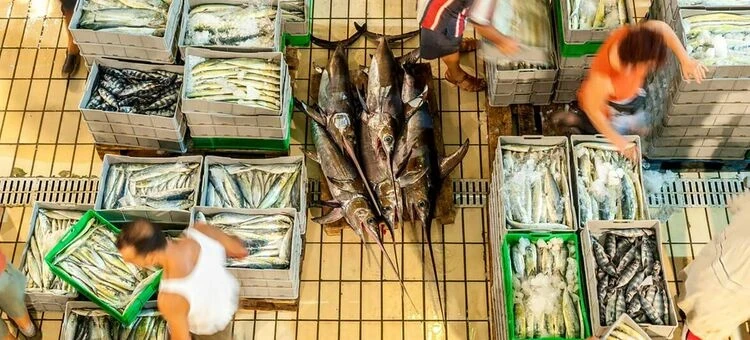
Photo on the main page is illustrative: World Bank / P. Salazar.