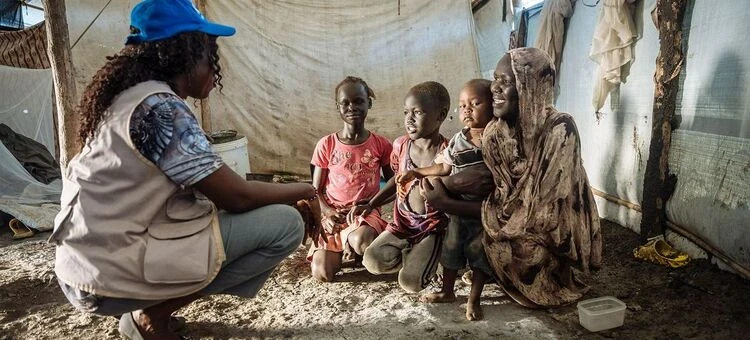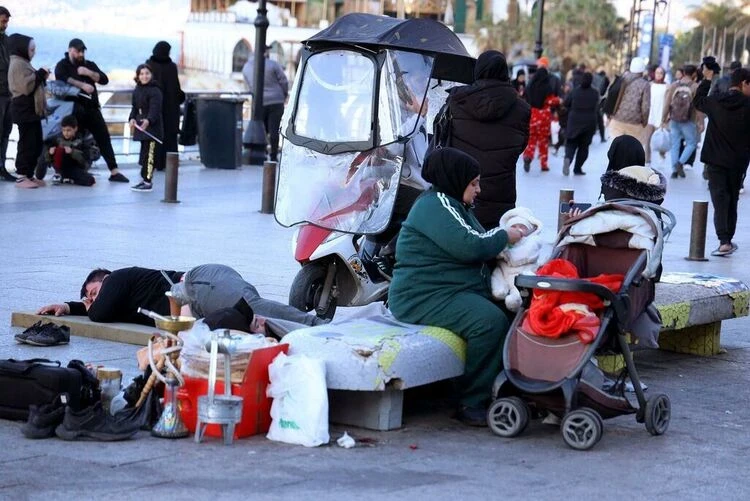
According to the United Nations High Commissioner for Refugees (UNHCR), the number of refugees and displaced persons in the Middle East has sharply increased. The escalating conflict is forcing people to leave their homes in search of safety.
In Iran, refugee reception centers continue to operate, but access to them has become difficult due to the deteriorating security situation. Thousands of people are seeking help through UNHCR hotlines, while Afghans report significant restrictions on movement, spikes in food prices, and loss of income sources.
Lebanon is also experiencing the consequences of the conflict: nearly 700,000 people have been forced to leave their homes. Currently, more than 117,000 people are housed in collective centers, many of which are already overcrowded.
UNHCR has provided assistance to tens of thousands of displaced persons, supplying them with essential items.
According to the agency, more than 70,000 Syrians and several thousand Lebanese have crossed the border into Syria, while Afghan refugees continue to return home from Iran.
In Turkey, UN staff are monitoring the situation in the border areas of Van, Agri, and Hakkari. Despite border checkpoints remaining open, the number of arrivals has decreased to 1,300 people per day.
At the Armenia-Iran border, the Agarak crossing is also open, and small groups continue to cross the border in both directions.
According to UNHCR, the total number of displaced persons and returnees in the region is already around 25 million, and the current crisis is only exacerbating this situation.
Amid ongoing bombings and drone attacks across the Middle East, the World Health Organization (WHO) expresses concern about the threat to public health. This is linked to strikes by Israel and the US on oil infrastructure in Tehran and Iran's retaliatory actions against Gulf countries.
“The so-called black rain and acid rain indeed pose a health risk to people, especially to the respiratory system,” said WHO representative Christian Lindmeier at a briefing in Geneva.
“We are in contact with hospitals and local authorities, and Iranian authorities have already issued a warning urging people to stay indoors,” he added.