Statement by the Deputy
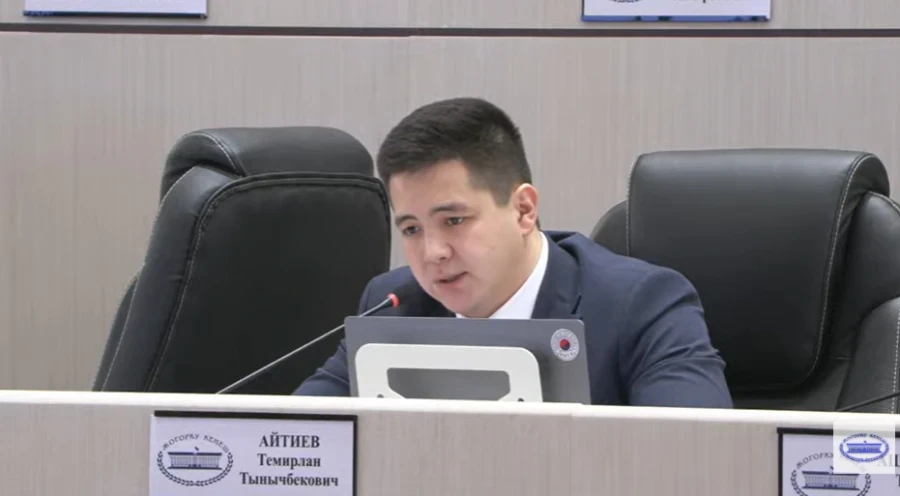
At a parliamentary meeting, Deputy Temirlan Aitieff of the Jogorku Kenesh stated that the Ministry of Health has prohibited the administration of injections and drips in feldsher-obstetric points and family doctor groups.According to him, in response to a request, the Ministry of Health pointed out health risks for patients, such as the possibility of anaphylactic shock and an increase in allergic reactions to medications.
Clarifications from the Ministry of Health
The Ministry of Health clarified that there is no complete ban on injections and infusion therapy in primary healthcare facilities. Procedures can be performed, but only upon a doctor's prescription, confirmed by medical documentation.The Ministry noted that nurses can administer injections and infusions only based on correct prescriptions, and medications must comply with clinical protocols. The agency also pointed out cases where patients come with prescriptions lacking a doctor's signature or stamp, which complicates the execution of procedures.
Risks of Complications
The Ministry of Health also noted that at the level of primary healthcare, medications are usually prescribed in tablet form.Monitoring has shown that in some facilities, intravenous infusions were performed without sufficient medical indications, sometimes at the request of the patients themselves. This practice contradicts the principles of evidence-based medicine and can lead to complications, including infections and anaphylactic shock.
Therefore, primary healthcare institutions are recommended to strictly adhere to clinical protocols and perform infusion therapy only when there are medical indications.
Fatal Outcomes
Deputy Head of the Emergency Medical Center Yegor Borisov stated that ambulances often respond to complications after injections and drips, including severe allergic reactions and anaphylactic shock.Drips and injections are also administered at the Emergency Medical Center; however, Borisov noted that ambulance crews do not perform injections based on prescriptions that patients bring with them. "We refuse, even if patients come to the central station or substations requesting injections for scheduled treatment," he added.
The Myth of the Drip
Head of the Independent Medical Trade Union Bermet Baryktabasova noted that there is a myth in society about the safety of injections and infusions performed outside of hospitals. This misconception can have serious consequences.According to her, any parenteral administration is an invasive procedure.
“Experience, including the COVID-19 pandemic, has shown that uncontrolled use of injections can lead to an increase in mortality not from the underlying disease, but from side effects,” Baryktabasova emphasized.
The expert added that healthcare workers remain the most vulnerable in this situation, facing pressure from the public and the judicial system.
She called for informing citizens that drips are not a routine procedure and should only be used in severe cases.
Advantages of Tablets
Head of the Drug Registration Department Mirbek Nyshanbaev explained that taking medications in tablet form has a lower risk of complications. With this method, the medication is absorbed gradually, reducing the likelihood of allergic reactions.Moreover, the tablet method does not require intervention from medical personnel and eliminates the risk of infections associated with injections.
Nyshanbaev also noted that injections are associated with painful sensations and require the involvement of medical staff, making treatment more complicated and expensive. In the case of an allergic reaction, it is impossible to quickly stop the action of the drug.
Accessibility of Procedures
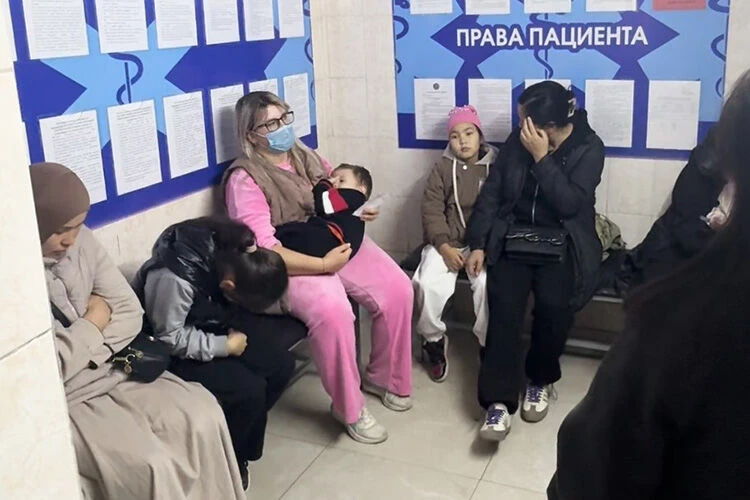
Despite the statements from deputies, patients face a real problem accessing injections. For example, 79-year-old Tatyana from Bishkek has been receiving injections at the procedure room of CSM No. 4 for many years, but this year she learned that the room is closed.The woman was forced to turn to a private clinic, where she had to pay for injections and drips, which became a serious financial burden for her. "I bought medications for 8,000 soms and spent over 10,000," she said.
Tatyana expressed concern that people without financial resources may face difficulties obtaining necessary procedures, which could lead to self-medication and accidents.
CSM explained that injections are performed in the day hospital, but in the branch to which Tatyana belongs, it is temporarily not operational. Thus, patients are forced to go to the main building of the clinic.
The situation with injections and drips highlights several aspects of the problem. Doctors insist on the need to abandon unjustified procedures, but patients face a shortage of places to perform even prescribed procedures. It is important to inform the population about the risks associated with self-treatment and the safety of parenteral treatment.
Photo on the main page is illustrative: totispharma.com.