The Ministry of Construction of the Kyrgyz Republic has classified problematic facilities into three groups
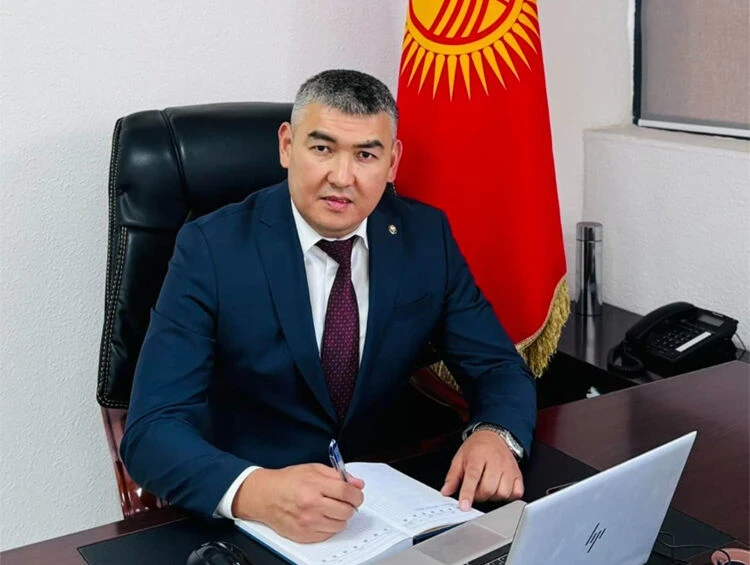
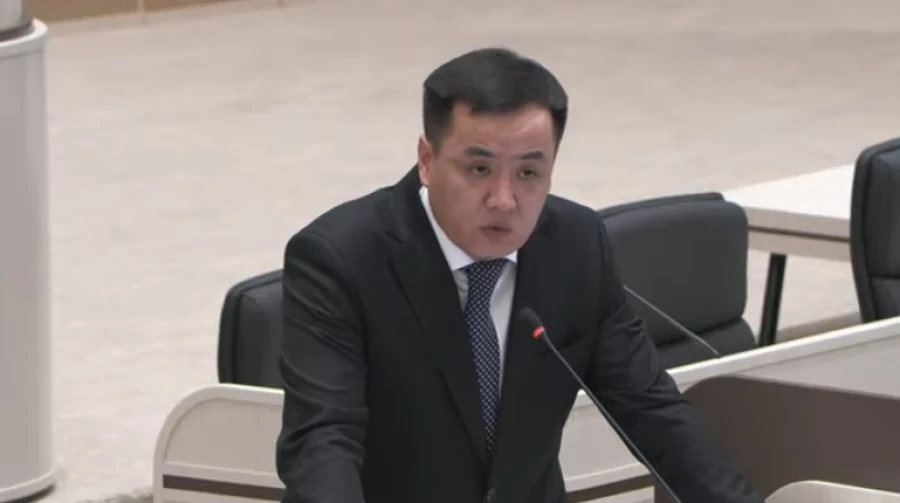
As of the end of 2024, more than 150 high-rise buildings have been registered in Bishkek and Osh that are either unfinished or already inhabited but lack the necessary documents. This information was shared by the Deputy Minister of Construction, Architecture, and Housing and Communal Services of Kyrgyzstan, Bakai Turdugulov, during a meeting of the Jogorku Kenesh.
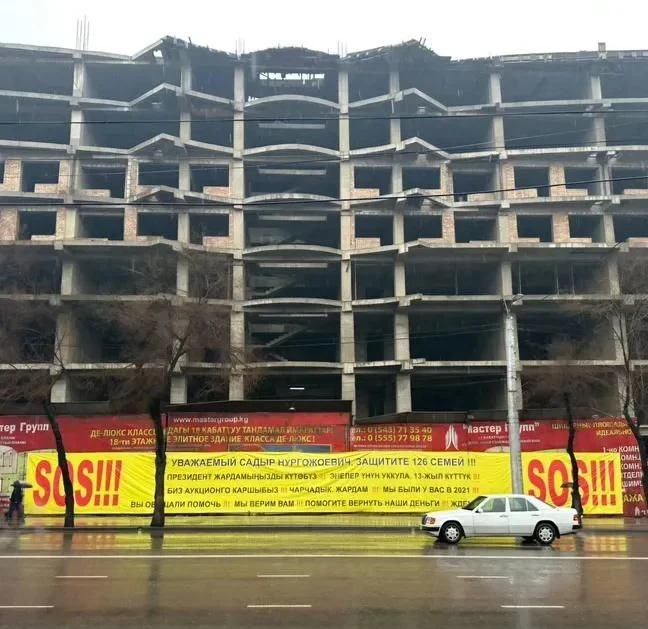
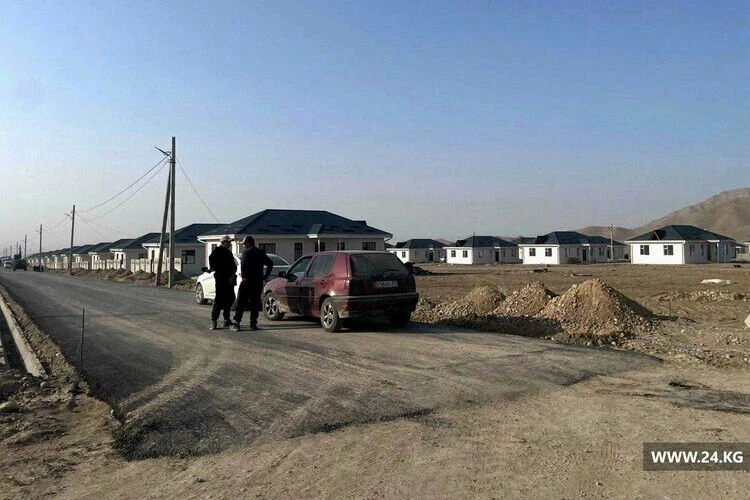
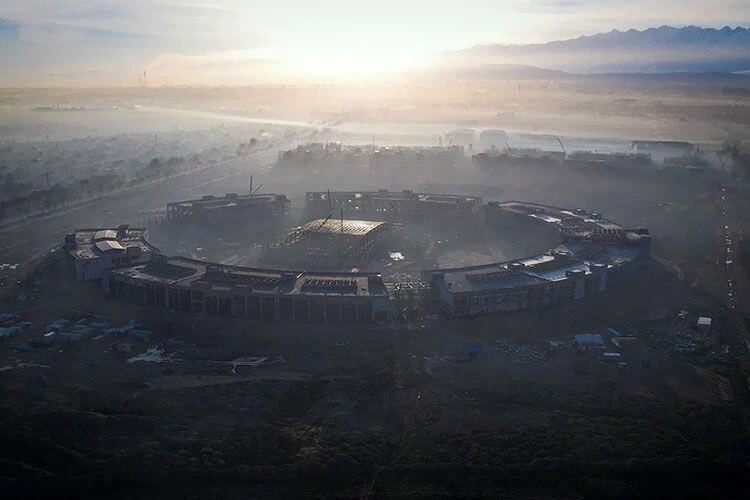
Turdugulov clarified that all problematic facilities have been divided into three categories. The first category includes buildings where people reside but there are no commissioning acts. The second category encompasses buildings that are under construction and unfinished. The third group consists of land plots where work has effectively stopped at the initial stage, such as at the level of a foundation pit or a few floors.
Currently, the main focus is on the first category. Despite the lack of official documents, residents of these buildings are already living in apartments and paying for utilities at commercial rates. More than half of the necessary documents for these facilities have already been issued, the deputy minister reported.
However, the situation with long-term construction projects is much more complex. As noted by the deputy minister, some developers have proven to be unscrupulous and have left the country, while criminal cases have been initiated against a number of companies, and legal proceedings have begun.
In some cases, shareholders are trying to resolve the issues independently. For example, residents of one of the facilities have approached the ministry with a request to transfer ownership rights to the land plot so they can complete the construction on their own.
There are also facilities where construction has not yet begun, although money from citizens has already been collected. To address such situations, special commissions have been created to individually review the problems of each facility. These commissions include representatives from the relevant state authorities.
Photo www