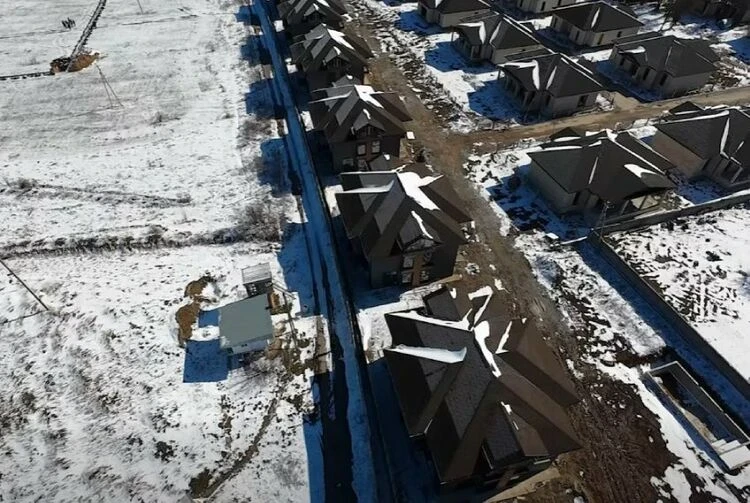
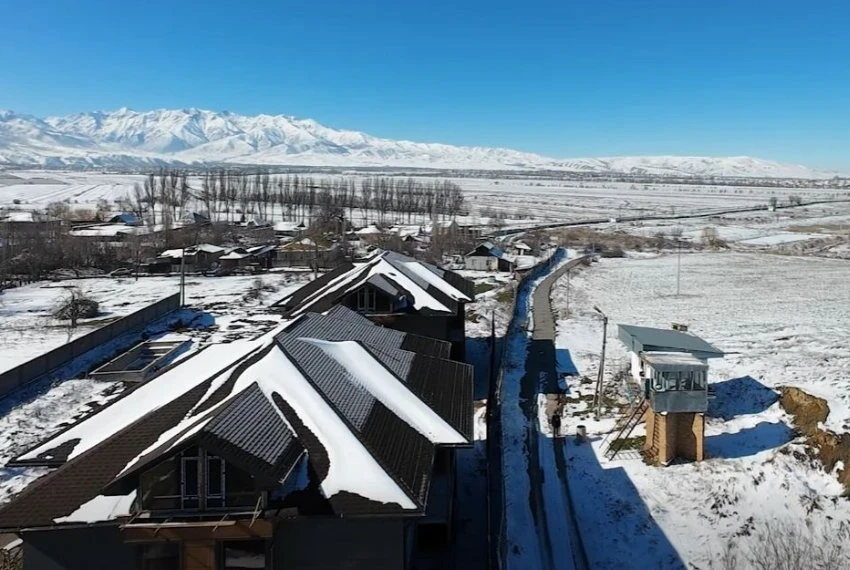
Recent construction of cottages in close proximity to the Orto-Alysh water intake, which is a crucial source of drinking water for Bishkek, raises serious concerns about compliance with sanitary standards and the safety of the city's water supply.
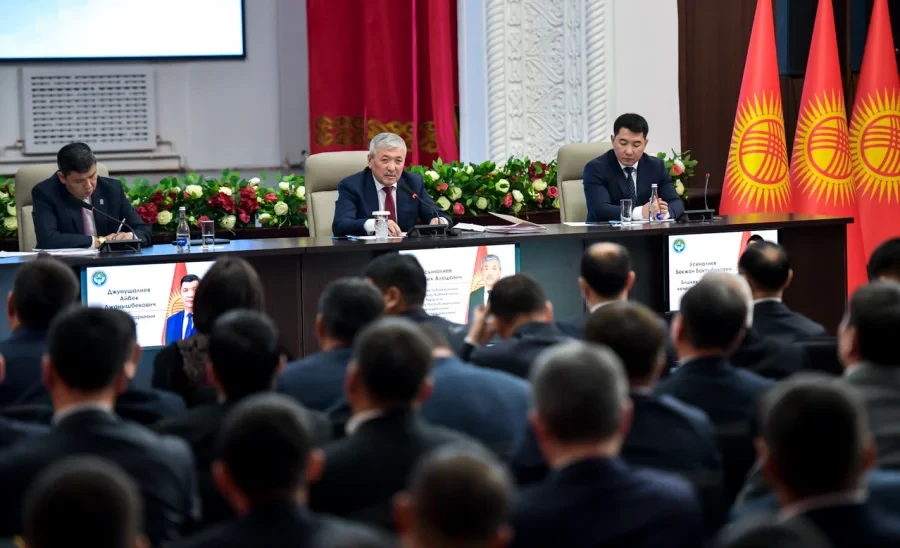
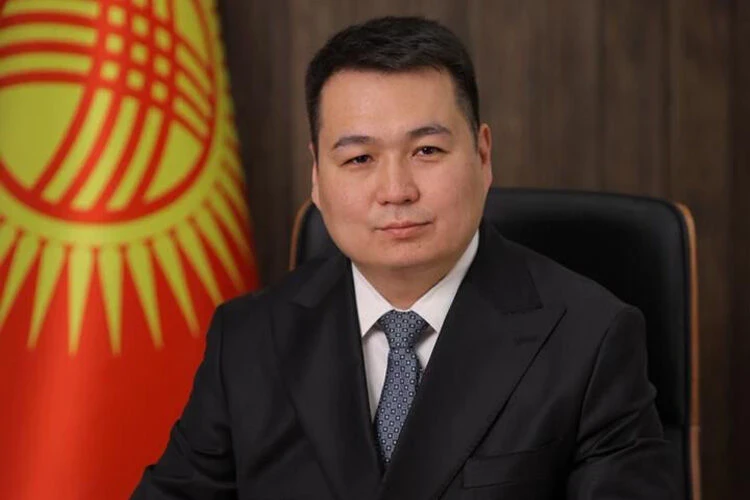
During his working visit, the mayor of the capital, Aibek Junushaliev, emphasized the need to verify the legitimacy of the buildings near this strategic facility. He also noted that sanitary zones must be strictly observed.
The Orto-Alysh water intake supplies water to approximately 40% of Bishkek's residents, so the area around it requires special monitoring.
“It is necessary for at least the protective zone to be behind a fence, not under the road. This is a strategic object, its security must be checked, including the possibility of demolishing illegal constructions,” he added.
The Bishkek city hall reported that the mayor instructed to develop land use plans, conduct inspections of all facilities near the water intake, and improve control over compliance with sanitary standards.
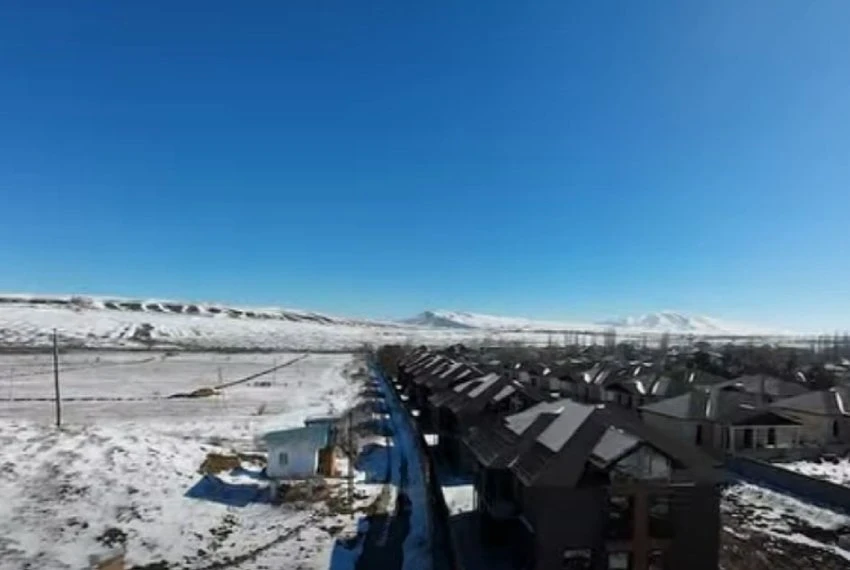
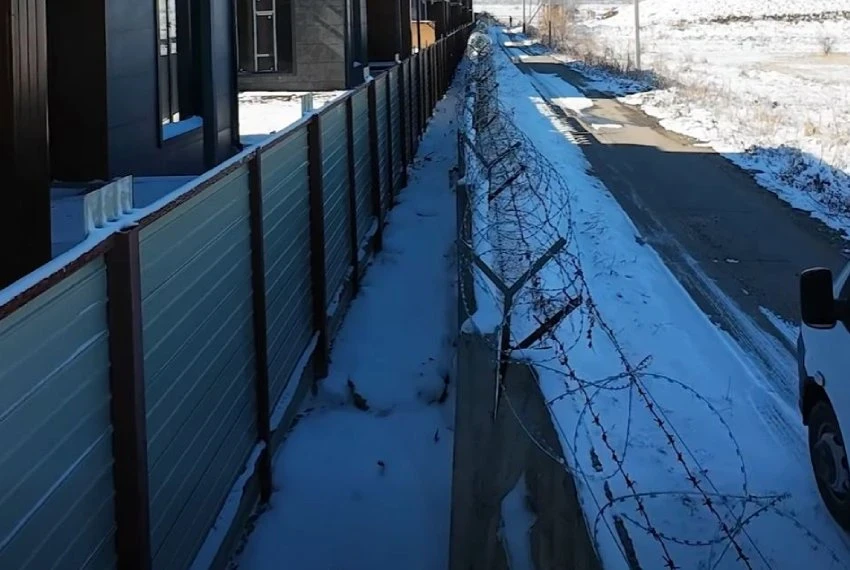
“If necessary, demolish and clear. You have a protective zone, but fences are already being erected. The protective zone must be fully secured,” Aibek Junushaliev concluded.
Definition of Sanitary Zones
According to 24.kg, citing the municipal enterprise "Bishkekvodokanal," sanitary zones (SZOs) are created to protect sources of drinking water — special territories around water intakes and water supply facilities.
There are three belts of sanitary protection.
- The first belt (strict regime) encompasses the water intake itself. This area is protected and closed to human habitation and construction work, except for facilities related to water supply.
- The second and third belts are intended for restriction and monitoring to prevent microbial and chemical contamination of water sources. In these zones, potentially hazardous facilities, such as fuel and lubricants warehouses and landfills, are prohibited. The distance of such zones can vary from 200 to 500 meters.
The boundary of the first sanitary protection belt is established at least 30 meters from the water intake, and in cases of insufficient protection of groundwater — no less than 50 meters.
Land plots where water intakes are located must comply with the requirements of the Technical Regulation "On the Safety of Drinking Water."
Additionally, to prevent contamination of water supply sources, the resolution of the Government of the Kyrgyz Republic dated January 31, 2018, No. 68, approved sanitary and epidemiological requirements for the sanitary protection zones of water supply sources and drinking water pipelines.
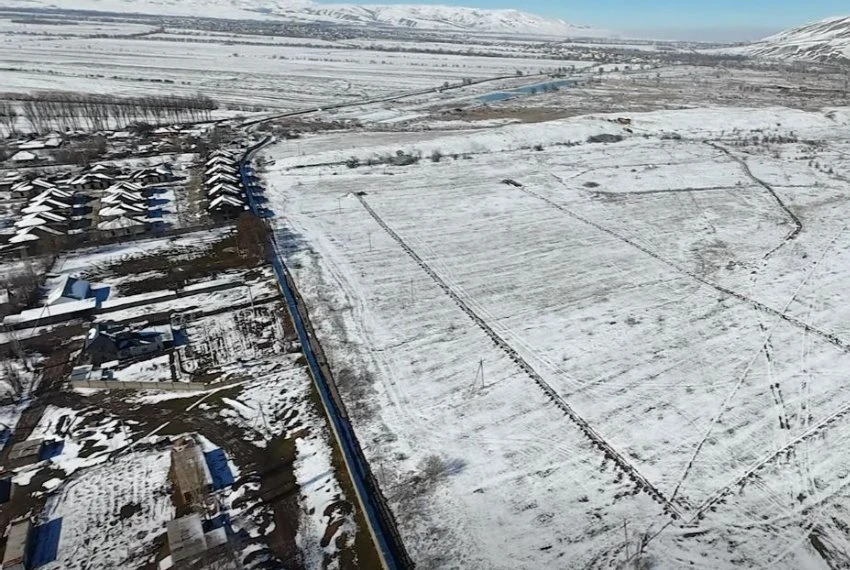
The first sanitary protection belt should be located around the fencing of water intakes. The fencing of water intake facilities is carried out in accordance with the requirements of SN KR 40-01:2023 “Water Supply. External Networks and Facilities” (previously — SNIP 2.04.02-84).
These standards require that water supply facilities be protected from unauthorized access.
Sanitary protection zones of the first belt around water treatment stations, pumping stations, and reservoirs must have a fence about two meters high, additionally equipped with barbed wire.
These measures are aimed at ensuring the safety of strategic facilities and maintaining the quality of drinking water.
Protection of Water Intakes
According to data from the municipal enterprise "Bishkekvodokanal," water intakes are strategic facilities.
In accordance with the Law of the Kyrgyz Republic "On Strategic Objects of the Kyrgyz Republic" and the government resolution No. 99 dated February 17, 2014, water supply facilities are classified as important strategic objects.
To prevent unauthorized access to water supply facilities, a security system has been established. A total of 77 security posts operate at the company's facilities — these include water intakes, treatment plants, and other facilities.
Of these, 43 posts, guarding the main sources of water supply for the capital and having open access to drinking water, are under the protection of contracted units of the departmental police of the Ministry of Internal Affairs of the Kyrgyz Republic. Security is provided by armed patrols and rapid response teams.
The remaining 23 posts, related to secondary water supply facilities and operating autonomously, are guarded by private security agencies.
Risks Associated with Construction
Expert in water and energy resources of Central Asia, Ernest Karybekov, also draws attention to the risks associated with construction near water supply sources.
He emphasizes that development near water intakes can threaten the water supply system and the state of groundwater.
“Unfortunately, for many years, neither environmental nor technical standards were taken into account during the construction of facilities. The pursuit of profit can lead to serious consequences,” the expert noted.
He strongly urges strict adherence to sanitary zones around water intakes, as any construction near water sources can create additional threats to their safety.
Opinion of Felix Kulov
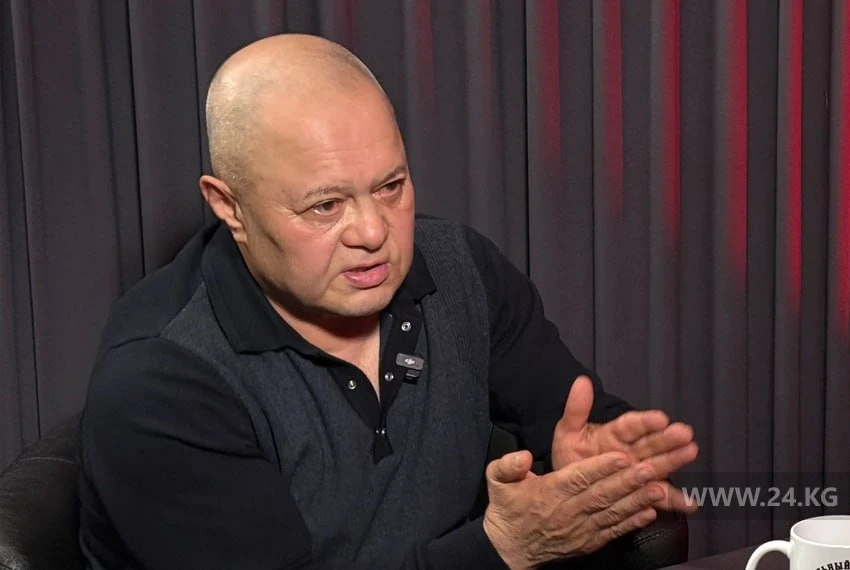
Former mayor of the capital, Felix Kulov, a native of the village of Baytik, also expresses his opinion on social media. He believes that the legitimacy of the cottage construction near the "Orto-Alysh" water intake should involve not only the Bishkek city hall but also the prosecutor's office, the Ministry of Nature, and the State Construction Agency. According to him, this is a strategic object that provides drinking water to a significant portion of the capital's population, so any decisions regarding construction near it should be under special control.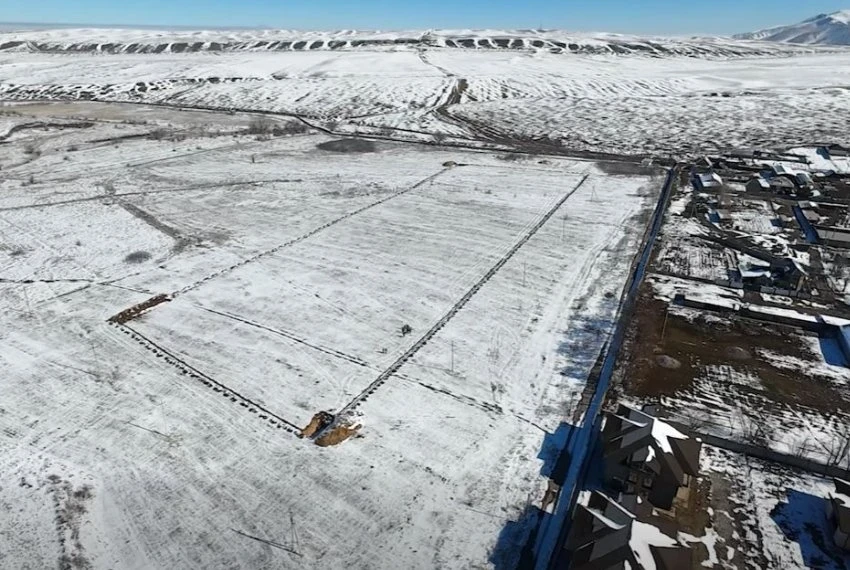
Felix Kulov emphasizes that the construction of residential buildings near the water intake may violate sanitary and environmental standards. In this regard, he calls for thorough inspections and protection of drinking water sources, which are vital for the water security of Bishkek and the health of its citizens.