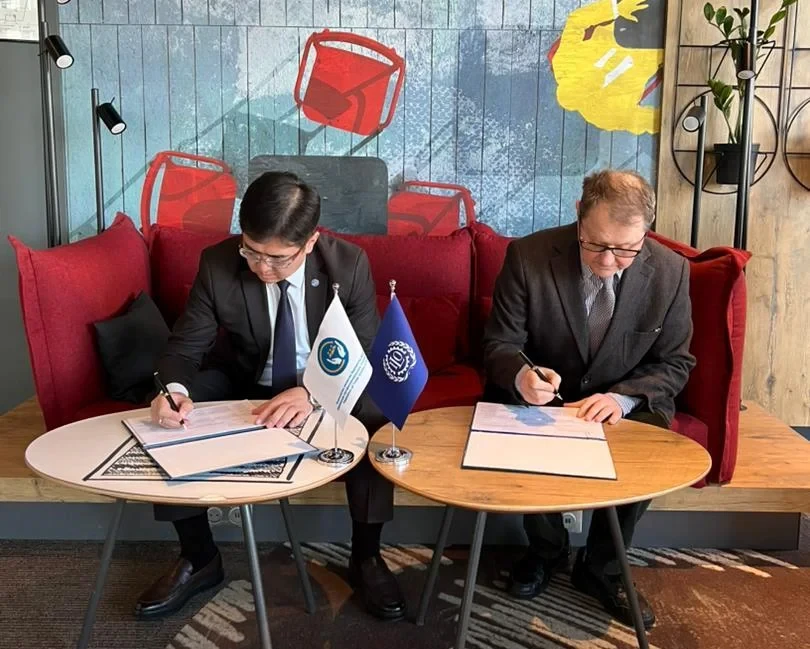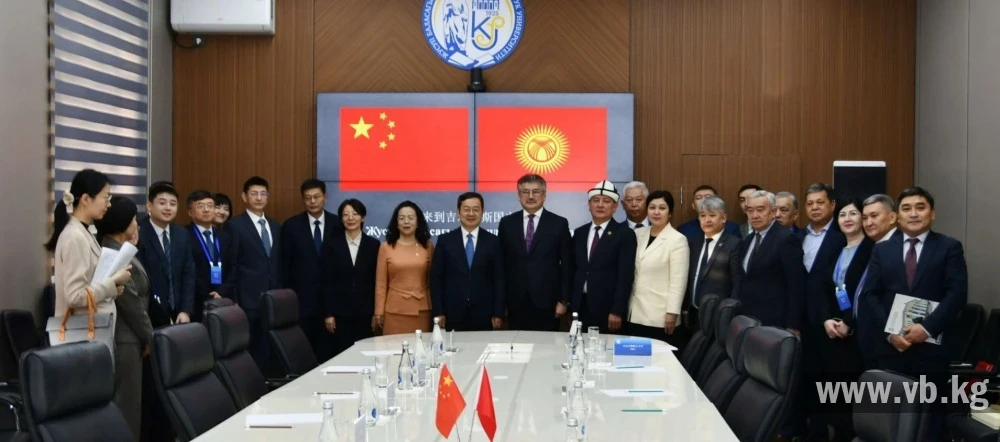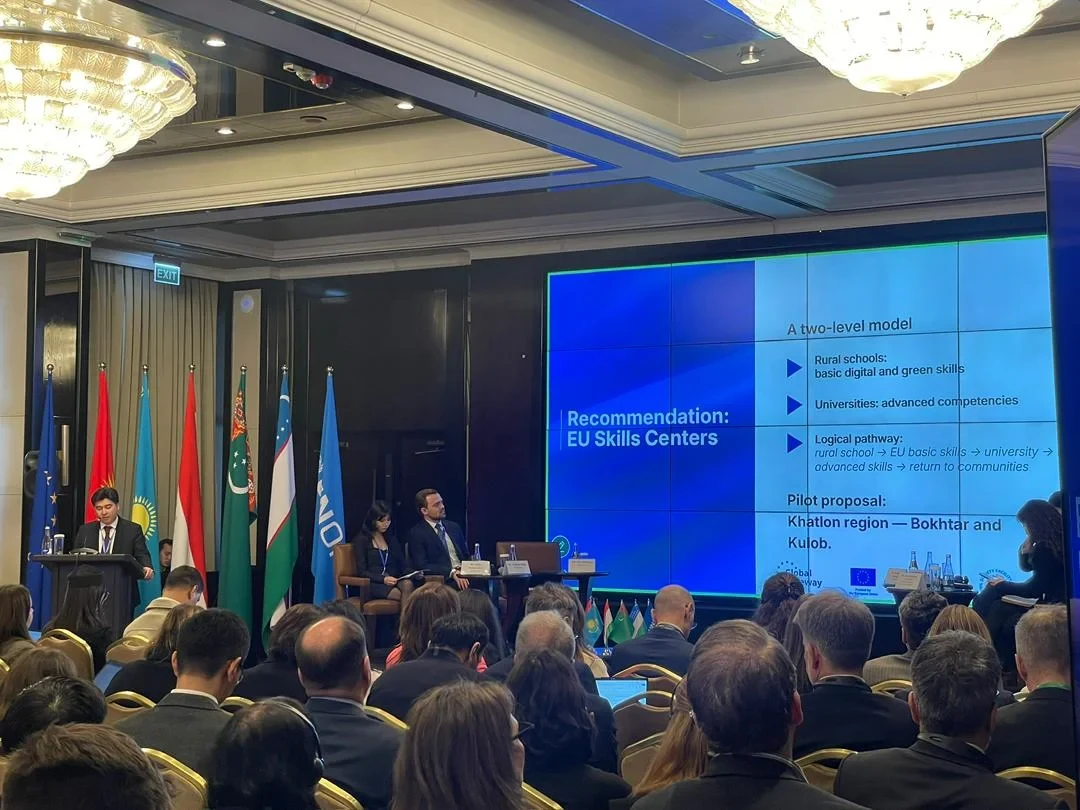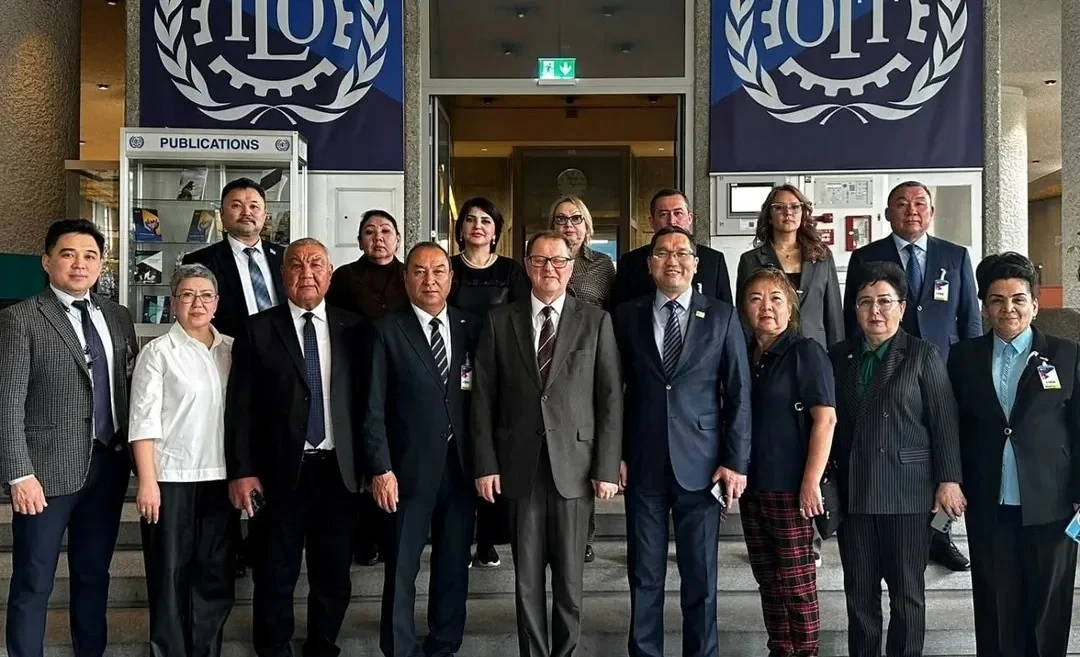
The delegation of healthcare workers' unions of Kyrgyzstan recently visited the headquarters of the International Labour Organization (ILO) in Geneva, where they participated in an international seminar.
According to the ILO press service, participants at the seminar had the opportunity to exchange experiences and present presentations related to the trade union movement, the protection of workers' rights, and the significance of ILO conventions, especially in the context of biosafety for healthcare workers.
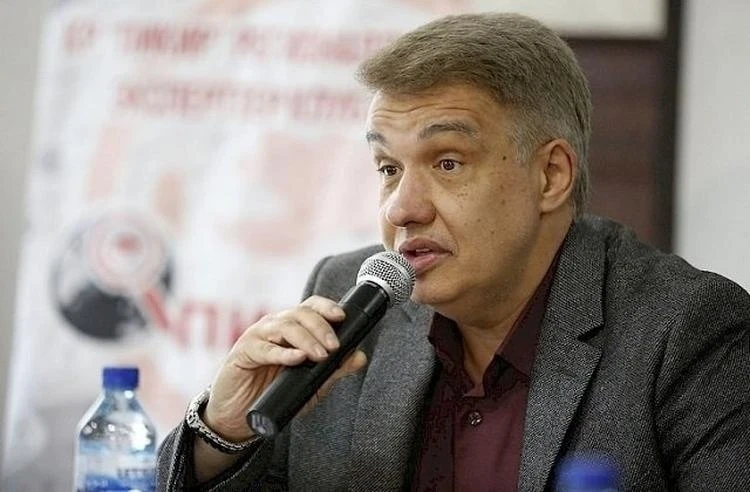
The opening of the event was led by Sergius Glovackas, head of the Europe and Central Asia section of the ILO's Bureau for Workers' Activities (ACTRAV). He emphasized the critical role of trade unions in promoting international labor standards and strengthening social dialogue. Special attention was given to the active participation of trade union organizations in the region in ILO processes aimed at protecting workers' rights and creating fair working conditions.
Representatives from ACTRAV, the Global Union Federation of the European Union, and the World Health Organization (WHO) also spoke at the seminar.
A key moment of the event was the speech by Oliver Röpke, director of the ILO's Bureau for Workers' Activities (ILO ACTRAV). He outlined the strategic priorities of the ILO, emphasizing that in the context of global changes in the labor market, trade union organizations remain the primary tool for protecting workers' rights.
Röpke highlighted the importance of active participation by trade unions in the development of international labor standards, social dialogue, and the formation of decent work policies. He also pointed out new challenges for workers related to digitalization, the development of artificial intelligence, and changes in employment, calling for strengthening international trade union solidarity and coordination of actions at the global level.
As a result of the meetings, participants began work on a roadmap that will include specific steps for the ratification and implementation of ILO conventions, as well as the protection of healthcare workers' rights in the context of changes in the labor market in the region.