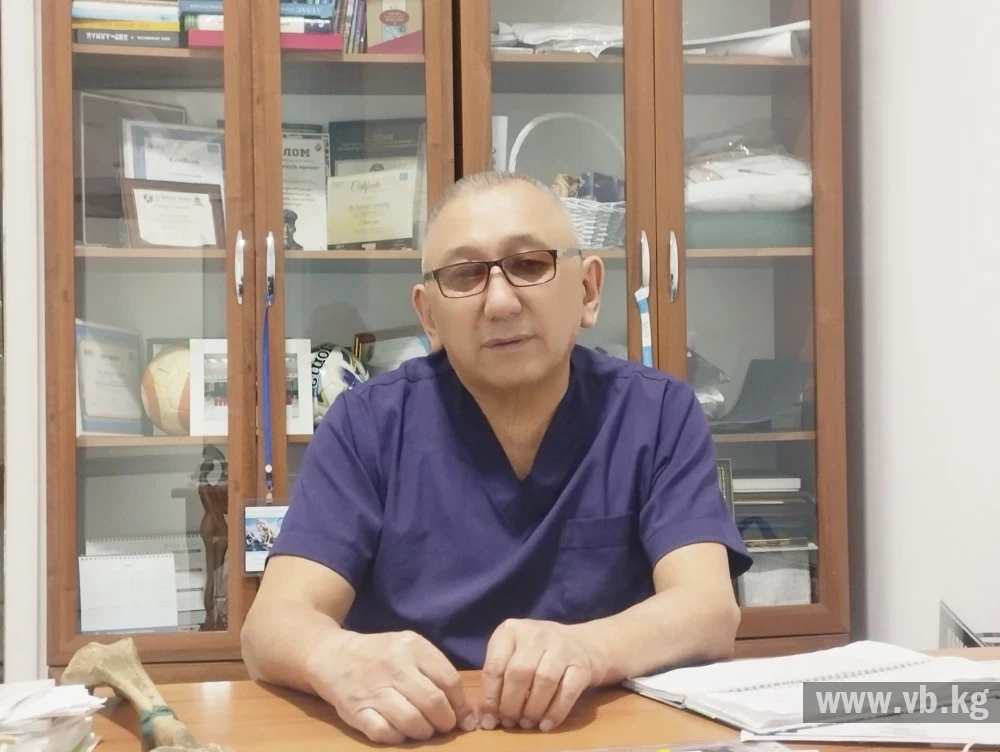
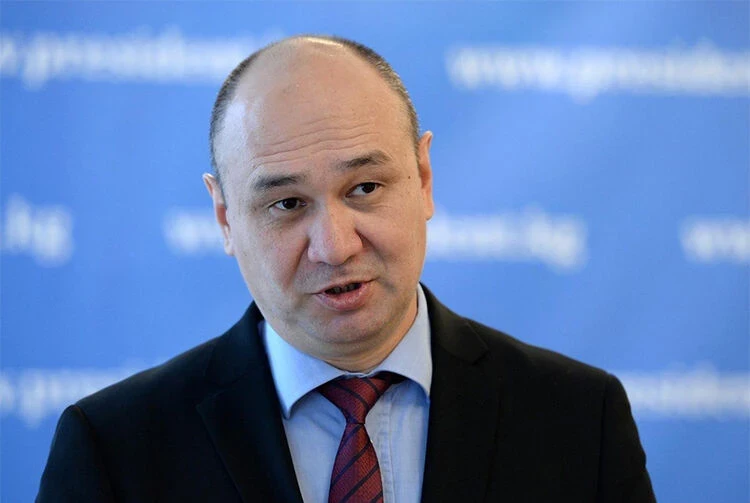
Boris Li, a psychiatrist from Family Medicine Center No. 6, noted that there are no universal symptoms for mental disorders, as they can manifest differently. For example, depression may present itself as a loss of interest in life, decreased social activity, persistent low mood, and feelings of helplessness.
Li added that the combination of symptoms forms a psychopathological syndrome, and their groups define specific diseases.
Among mental disorders, depression, alcohol-related disorders, and anxiety states are the most prevalent. "These three groups make up the majority of visits to the Family Medicine Center. Other disorders, such as schizophrenia and bipolar disorder, are less common but require more careful monitoring and serious therapeutic approaches," he clarified.
According to Li, anxiety disorders also have many manifestations. These include paroxysmal anxiety disorder, known as panic disorder, which can manifest in the form of panic attacks.
Li also mentioned more common generalized anxiety disorders, characterized by persistent worry without specific reasons. "Social anxiety and specific phobias are also frequently encountered among patients," he added.
Depression and anxiety disorders, according to statistics, are more common among youth and middle-aged individuals, while older adults experience organic disorders such as cognitive decline and dementia.
Nurgul Ibraeva, head of the Primary Health Care Department of the Ministry of Health, emphasized that according to data from the World Health Organization, the mental health of the population is deteriorating due to a complex of factors.
"Chronic stress ranks first among the causes, followed by poverty and financial instability, migration and separation from loved ones, as well as domestic violence and the consequences of trauma. For adolescents, bullying plays a significant role," she reported.Among the causes, Ibraeva also noted loneliness, stigmatization, and delayed seeking of medical help. "In our country, there is uneven access to assistance, especially in rural areas due to a lack of specialists," she added.
Janibek Ajibekov, acting director of the Republican Center for Psychiatry and Narcology, reported that by the end of 2025, there are only 136 registered psychiatrists in the country, whereas 15 years ago there were about 300. According to standards, there should be one psychiatrist for every 40,000 people.
Previously, Ibraeva indicated that the number of patients with mental disorders in Kyrgyzstan is increasing. Last year, former Health Minister Erkin Checheybaev mentioned that about 11% of the population suffers from various mental illnesses.
The image on the main page is illustrative: istockphoto.com.