What is fitr-sadaqah?
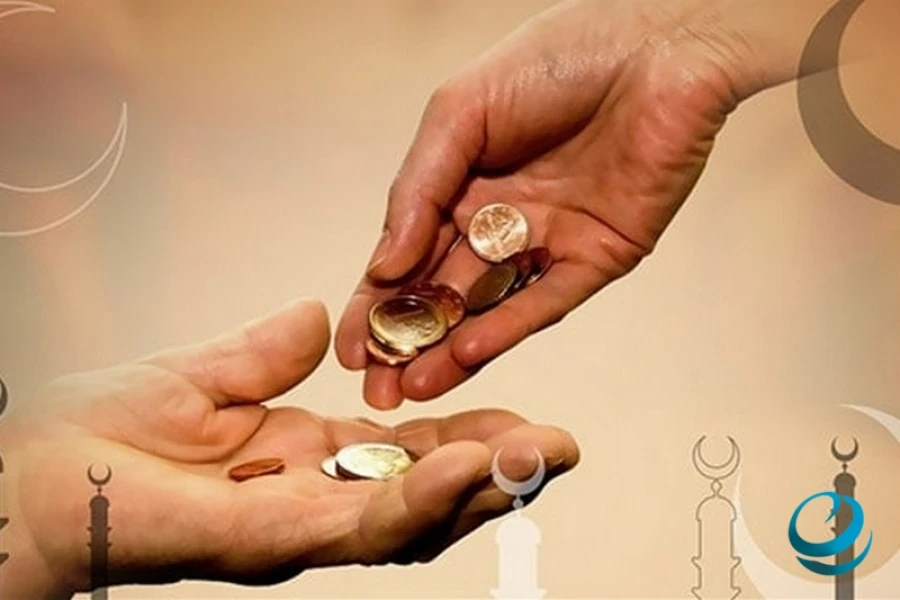
Fitr-sadaqah is a mandatory almsgiving that must be paid during the month of fasting. Donations made at other times in the Muslim calendar are not considered fitr-sadaqah.What is the amount of fitr-sadaqah per person?
Every year, the Spiritual Administration of Muslims of Kyrgyzstan and the Council of Ulema set the amount of fitr-sadaqah for each person, representing it in the form of a weight volume of wheat, flour, raisins, barley, or dates. Everyone can choose a product depending on their financial capabilities.What is the fitr-sadaqah amount set for 2026?
In 2026, the fitr-sadaqah amounts to 1.6 kg of wheat (60 soms), flour (90 soms), raisins (880 soms), or 3.2 kg of barley (100 soms), dates (1,200 soms).Can fitr-sadaqah be paid in cash?
Fitr-sadaqah can be paid either in the form of products or in cash equivalent. However, due to the unstable prices of products, it is recommended to focus on their weight. It is also possible to pay an amount equal to the cost of one of the specified products.When should fitr-sadaqah be paid?
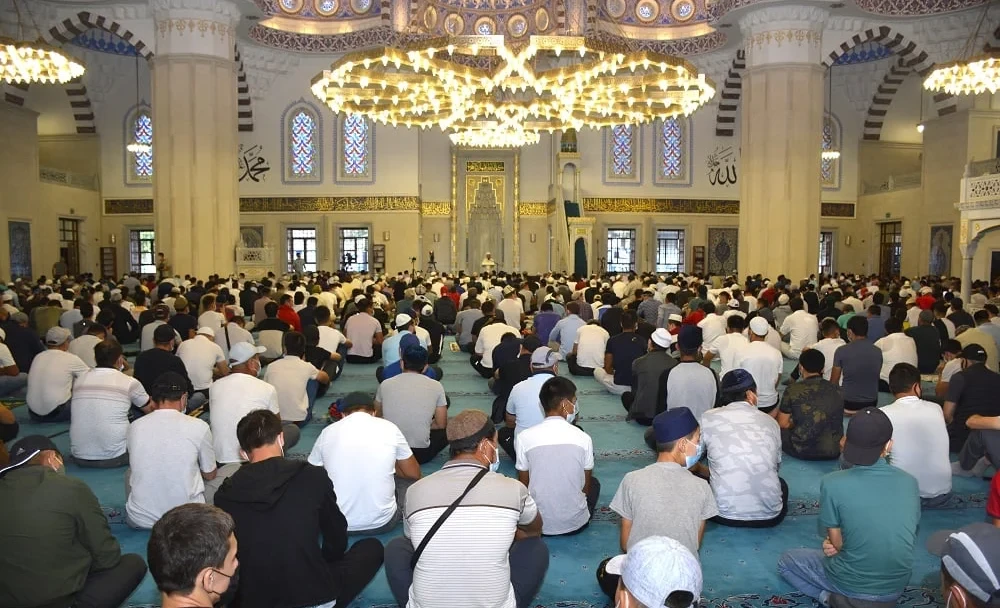
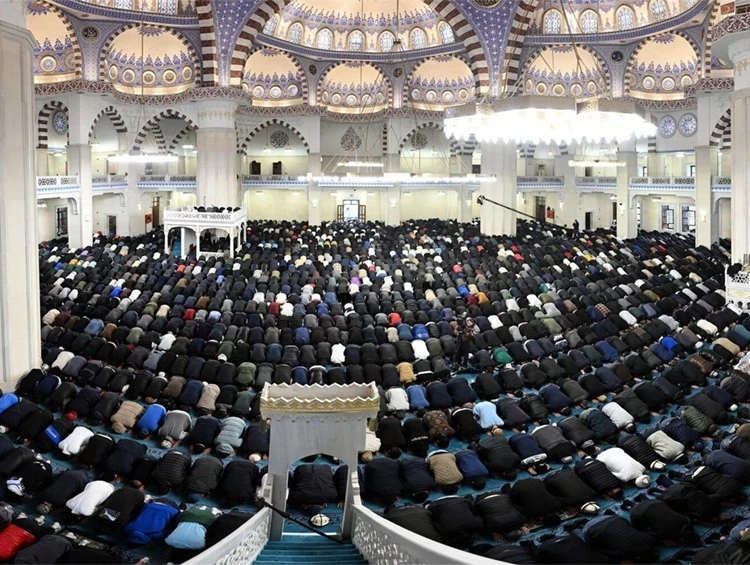
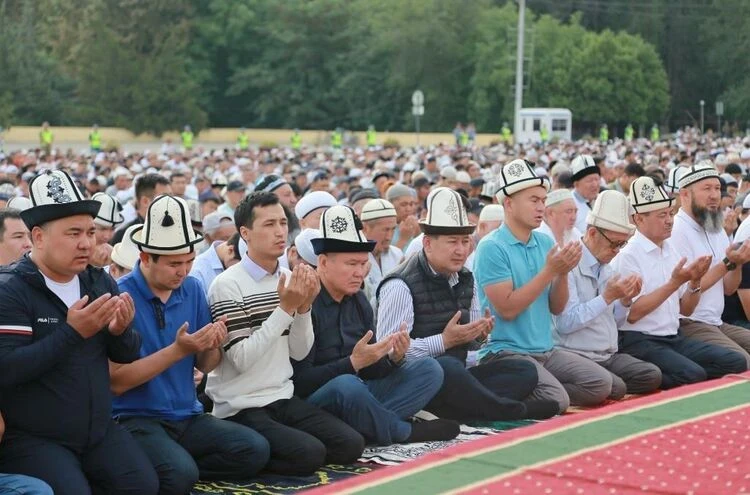
The donation can be made from the beginning of the month of fasting, Orozо, until the collective Eid prayer, which takes place in mosques and on grounds in honor of the breaking of the fast. In other words, fitr-sadaqah must be donated during the fasting days, as the deadline for its payment ends after the holiday.What happens if the payment is not made in time?
If you did not manage to make the mandatory almsgiving before the end of the month of fasting and donated after the Eid prayer, it will be considered regular charity.Is it mandatory to pay fitr-sadaqah if a Muslim did not fast?
Yes, fitr-sadaqah must be paid by all Muslims, regardless of whether they fasted or not.Can fitr-sadaqah be paid for a minor child or another person?
Muslim parents are obligated to pay fitr-sadaqah for their minor children. It is also possible to do this for those who cannot donate themselves—be it a friend or a relative.Can fitr-sadaqah be paid for the deceased?
The Spiritual Administration of Muslims of Kyrgyzstan clarifies that fitr-sadaqah is paid only for the living: "It is not necessary to give fitr-sadaqah for the deceased." However, some Islamic scholars allow the possibility of paying fitr-sadaqah for deceased relatives.Is it necessary to pay fitr-sadaqah specifically to the mosque?
No, it is not mandatory. Initially, in some countries, fitr-sadaqah was directed directly to those in need so they could set the festive table. You can choose whom to give your donation to, and if you decide to donate fitr-sadaqah to the mosque, this can be done through QR codes.How does the Spiritual Administration manage the collected fitr-sadaqah from mosques?
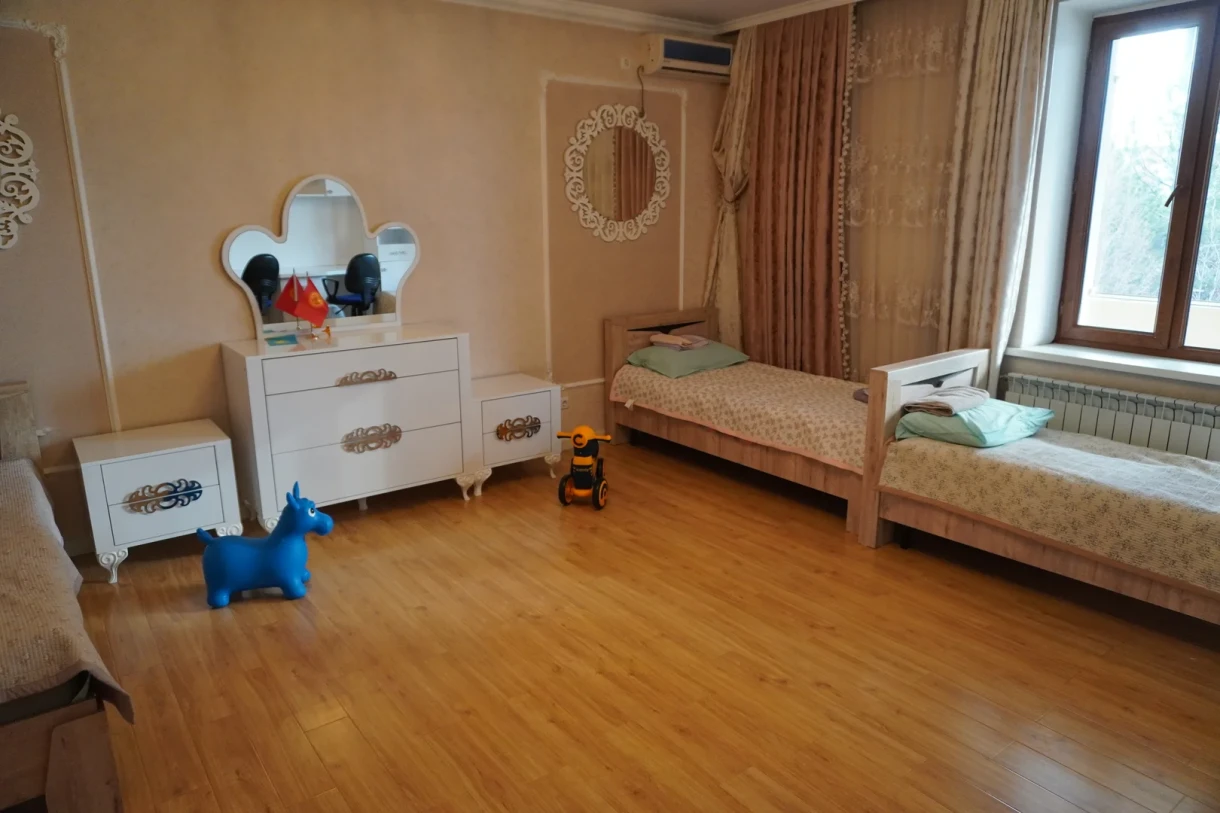
People often make donations in mosques. Of the collected amount, 60% remains in the mosques for distribution among those in need. District khatibiyats and regional qaziyats receive 15% each, while 10% goes to the Spiritual Administration. Special commissions on the ground distribute the funds for charitable needs, primarily among those in need of life-saving surgeries or expensive treatments, as well as single mothers and needy families.If you are fasting for the first time, familiarize yourself with the basic rules and consult a doctor to avoid common mistakes.