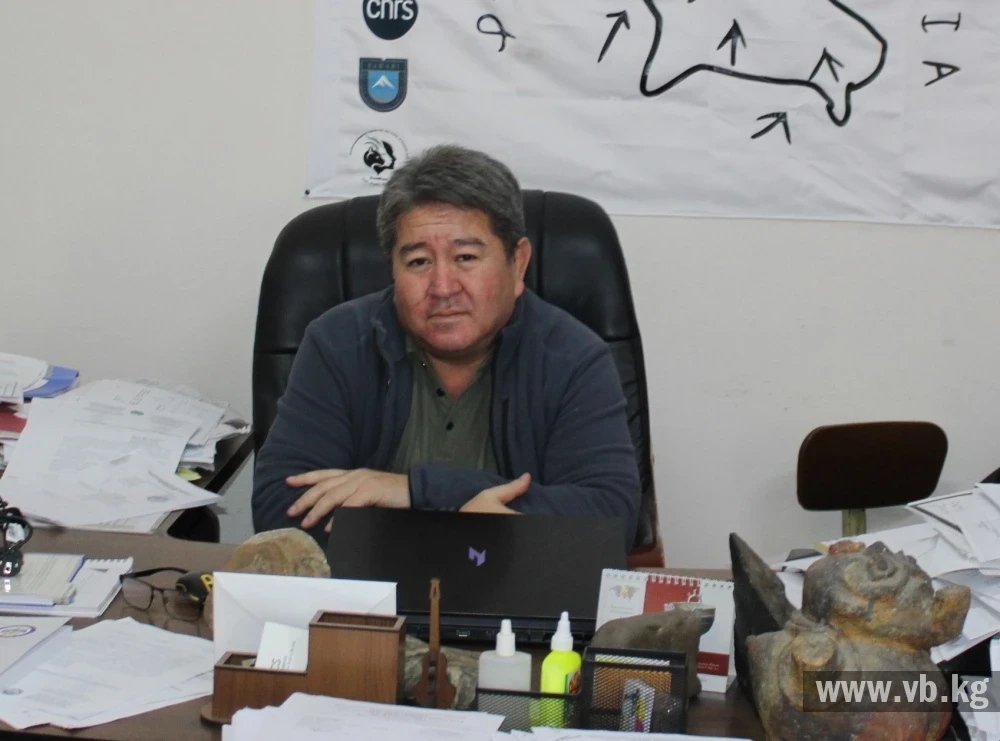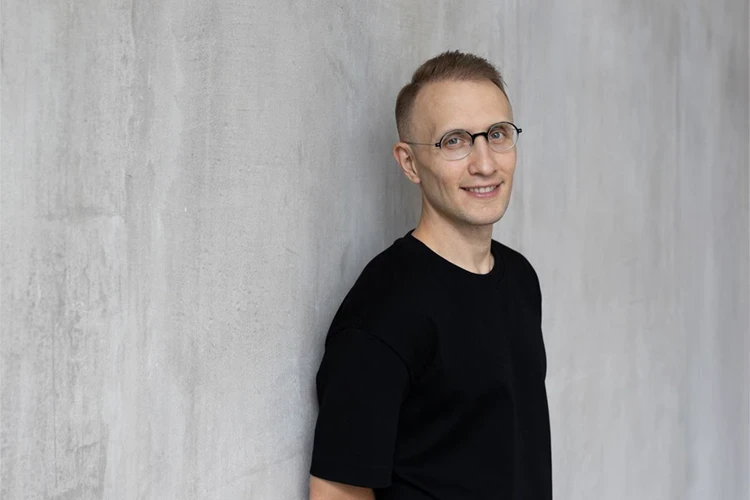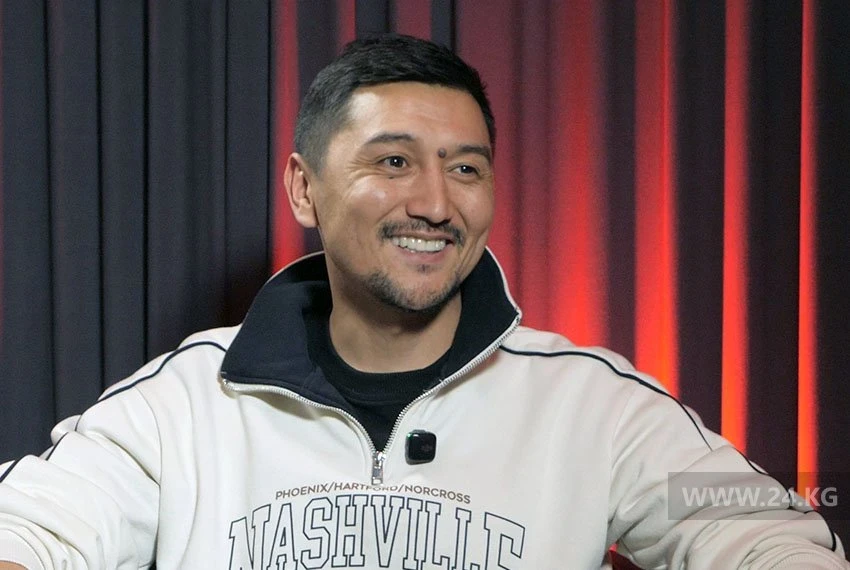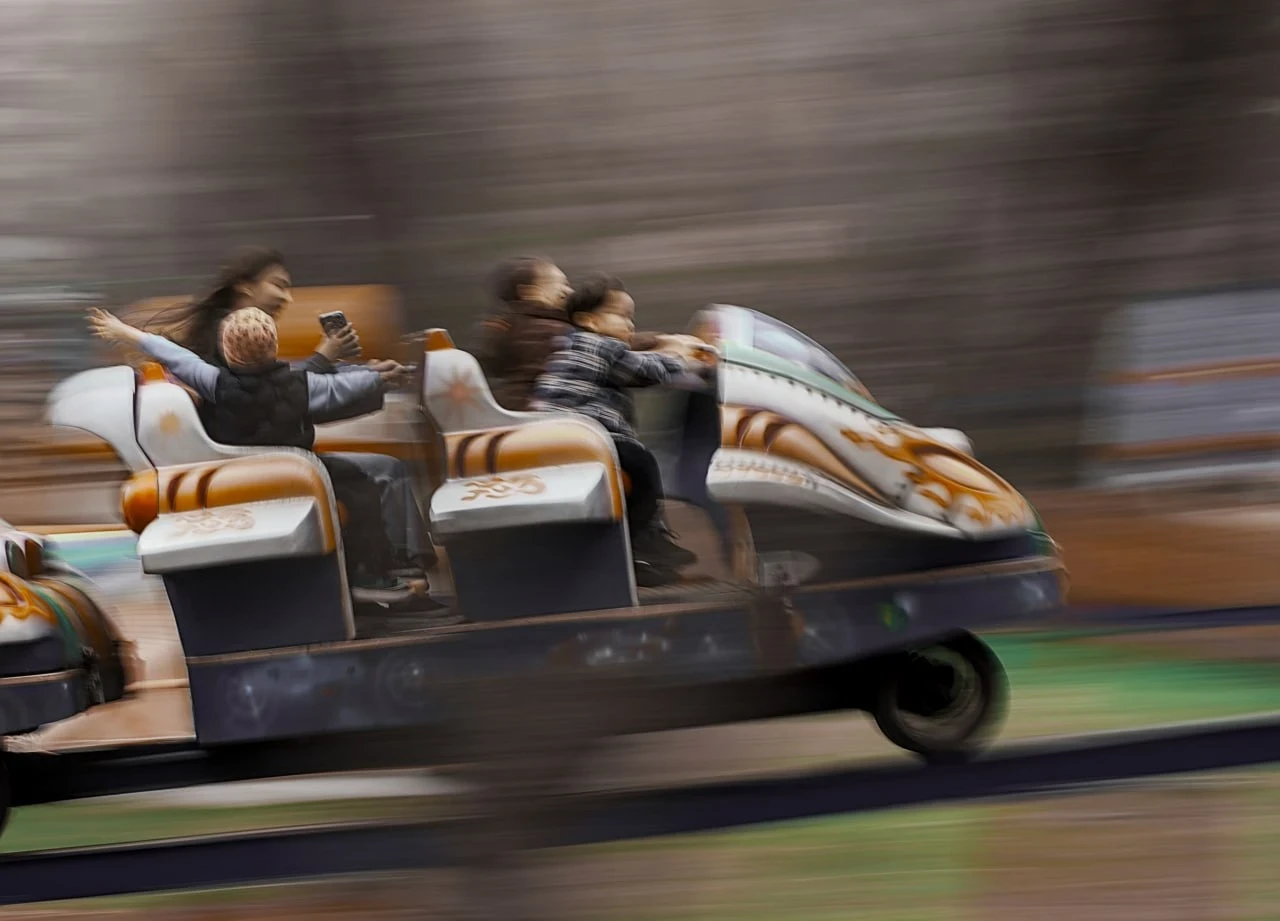
Photographer and urbanist Eldar Nurmanbetov shares his thoughts on the emergence of this idea and its significance for participants.
— Where did the idea of the photo drift come from? Why was this format chosen?
— The idea of the photo drift emerged naturally. We needed to offer an interesting activity for photographers. Joint outings, firstly, create an opportunity to go out and take pictures, and secondly, unite people around a common endeavor.
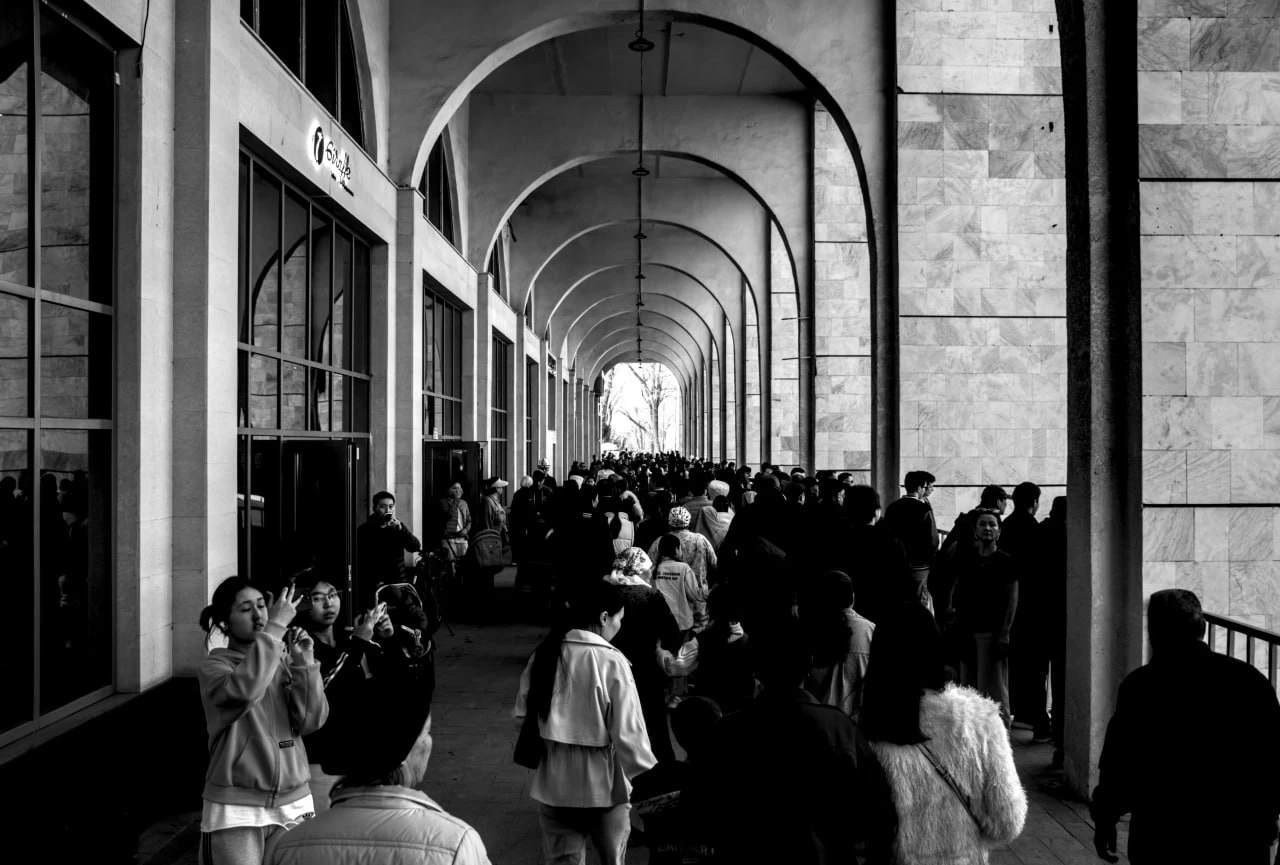
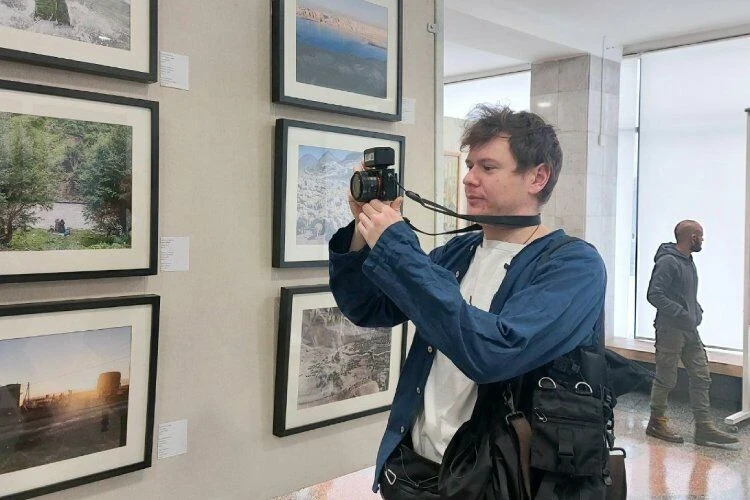
Before each event, we offer participants tasks — objects to photograph. These tasks serve as tools that help immerse participants in the process and make the photo drift more engaging, turning it into a kind of quest. After the walk, we meet at a pre-selected location to discuss impressions and results.
— Bishkek is often perceived as a transit or "unread" city. Can photography help in its "reading"?
— Yes, Bishkek indeed remains "unread" in many aspects. This city has so many interesting and unjustly forgotten stories! Who, if not us, should capture them? Sometimes people may avoid cameras — this is related to awkwardness and misunderstanding. But over time, as street photography becomes more widespread, the attitude towards it will improve.
— What does the photo drift allow one to see in the city that usually escapes notice in everyday haste?
— It reveals stories through a more attentive gaze. Most often, people move around without noticing what is happening around them. And around them is real life.
— How would you characterize Bishkek through the lens of the participants — is it chaos, life, development?
— All of this, and even more. Bishkek is a young, dynamically developing city. It is just beginning to take shape, gaining its identity and voice. This is the perfect time to capture its changes. We strive to document as many moments of this maturation process as possible.
— Is it more about art, leisure, or conscious interaction with the urban environment?
— It is likely a combination of all of the above. Participants engage in art by capturing the urban landscape, and the joint process makes it more enjoyable. Additionally, it is also a way to spend free time.
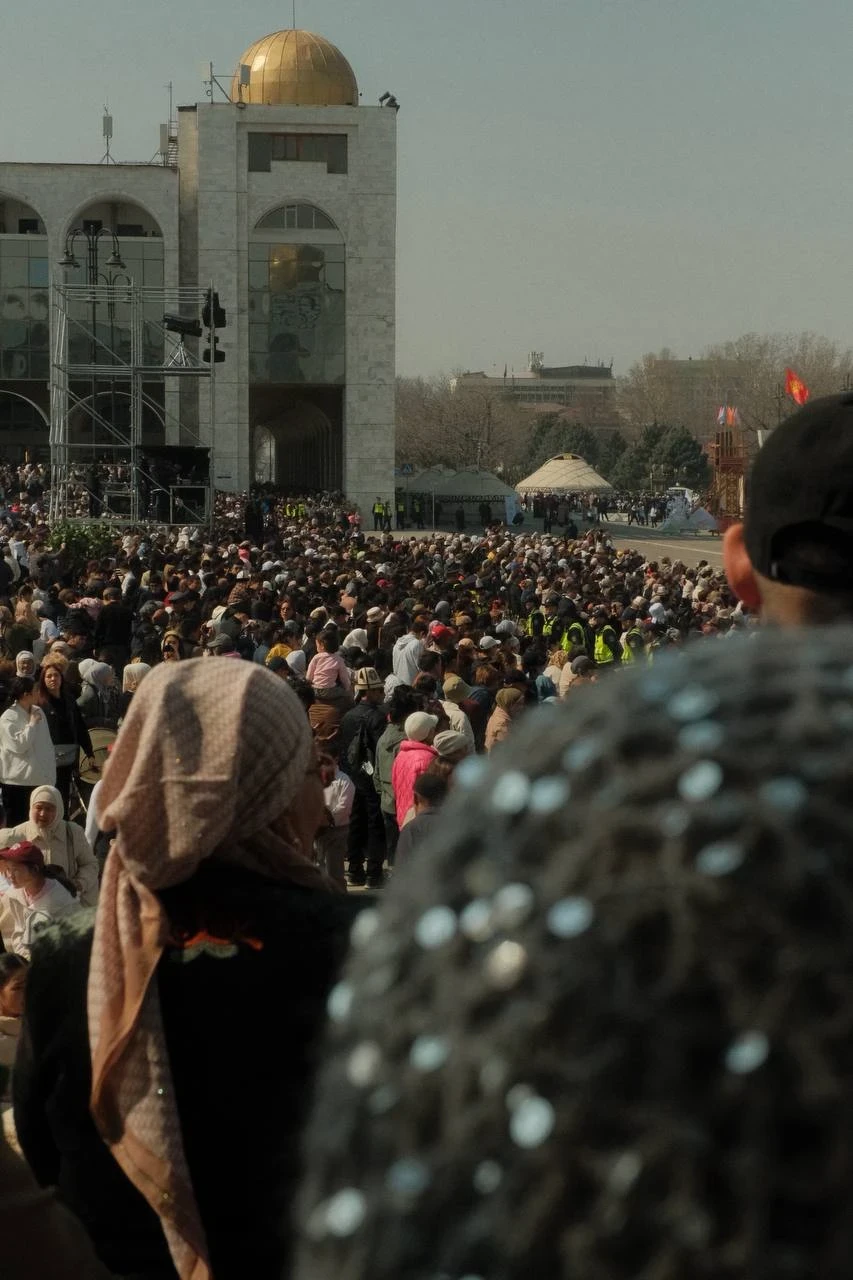
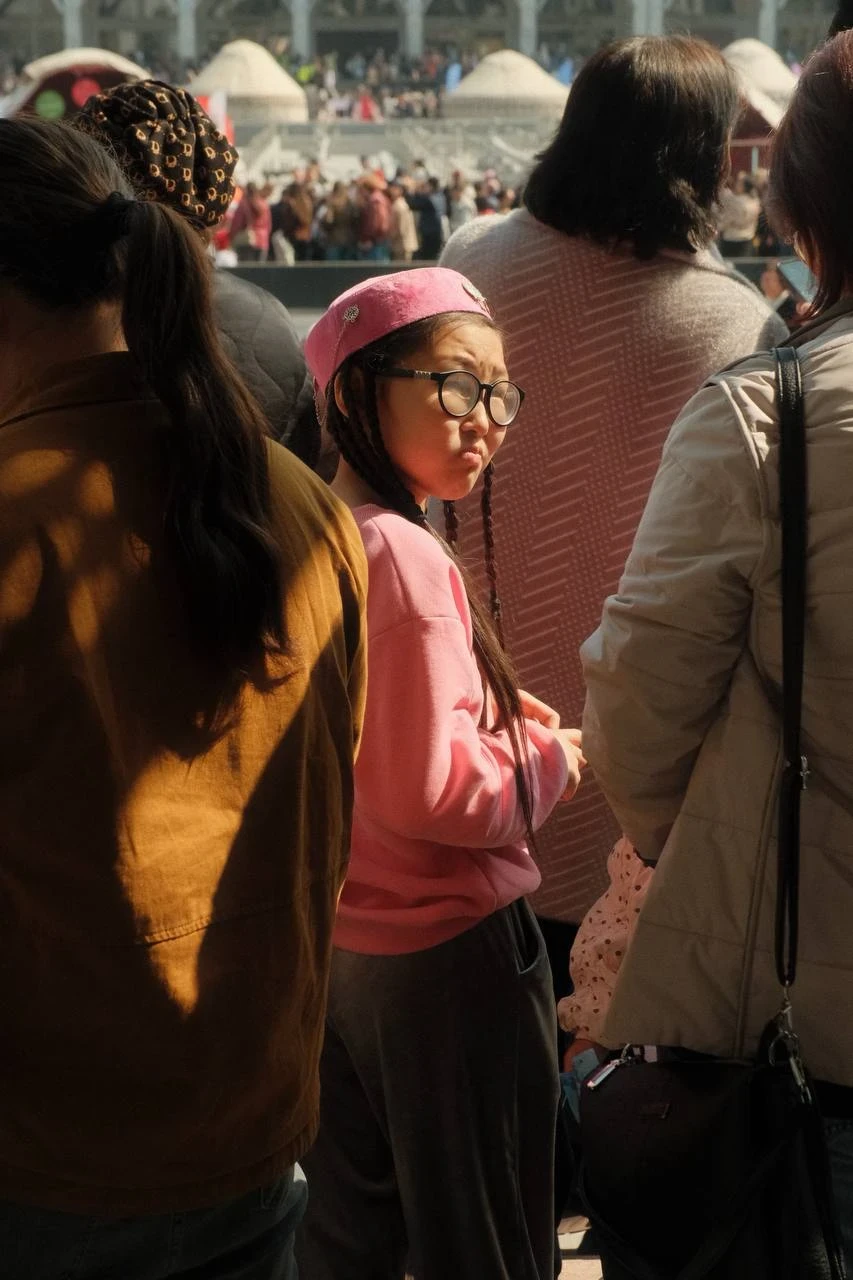
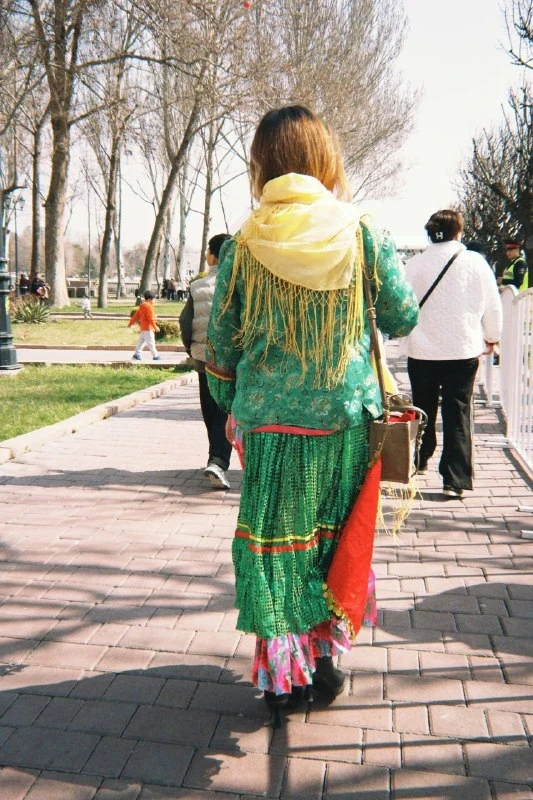
— What city problems become particularly noticeable through the participants' photographs?
— Each photograph tells its own story, and usually, these are multilayered narratives. They can reflect issues that are not always visible to the naked eye. Street photography works with social reality, and therefore it touches on public issues.
— Who participates in the photo drifts — is it a permanent community or new faces each time?
— Currently, we are in the process of forming a core community, but we want to remain open to everyone who is interested.
— Can a person without photography experience participate?
— Photography is an accessible art, so anyone can participate. Here, perspective is more important than technical skills.
— Is the photo drift a new format for Bishkek?
— It is hard to say definitively, as we have just begun. Perhaps it is not the only format, but we are definitely among the first.
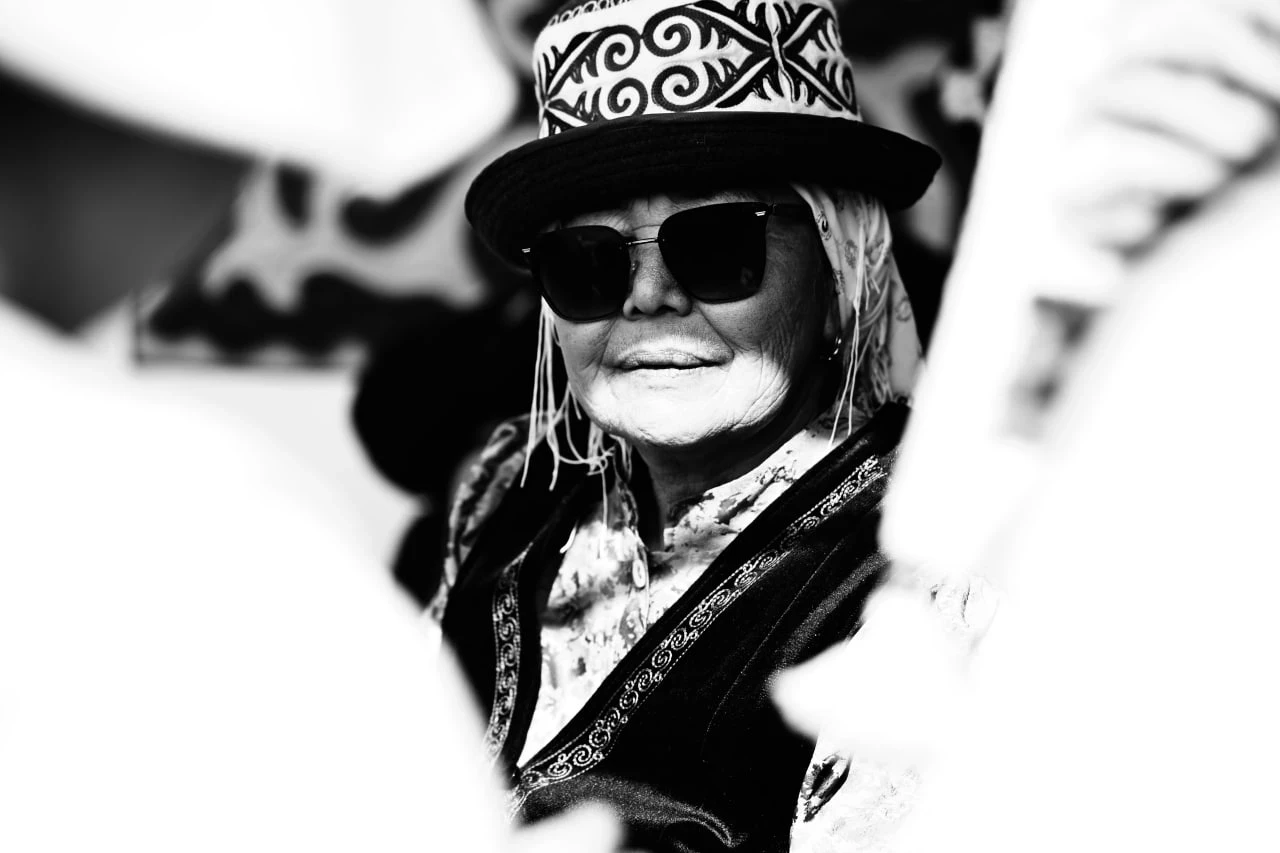
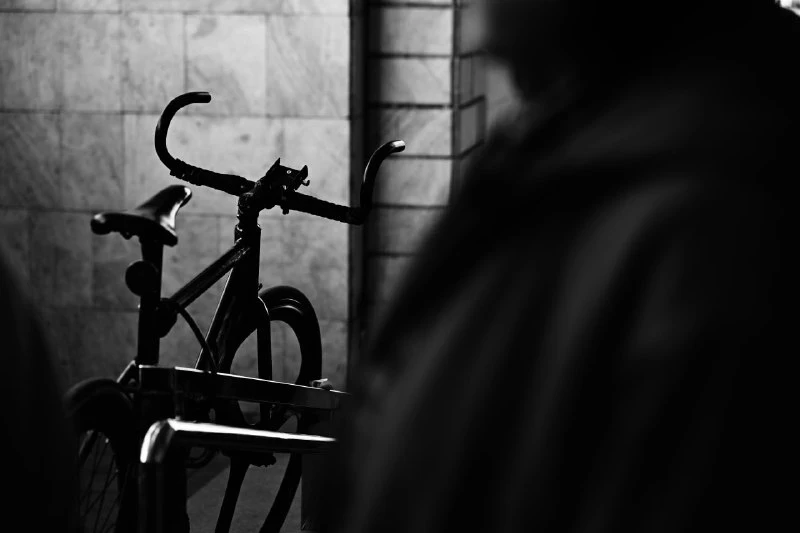
— When did you realize that this is not just a walk, but something more?
— When a community began to form around this process.
— What is the main idea of the photo drift?
— It is a way to unite the community of street photographers through the joint exploration of the city.